Spirit100 · Roots2Wings · Grow Spirit
We use aviation history to launch the future.
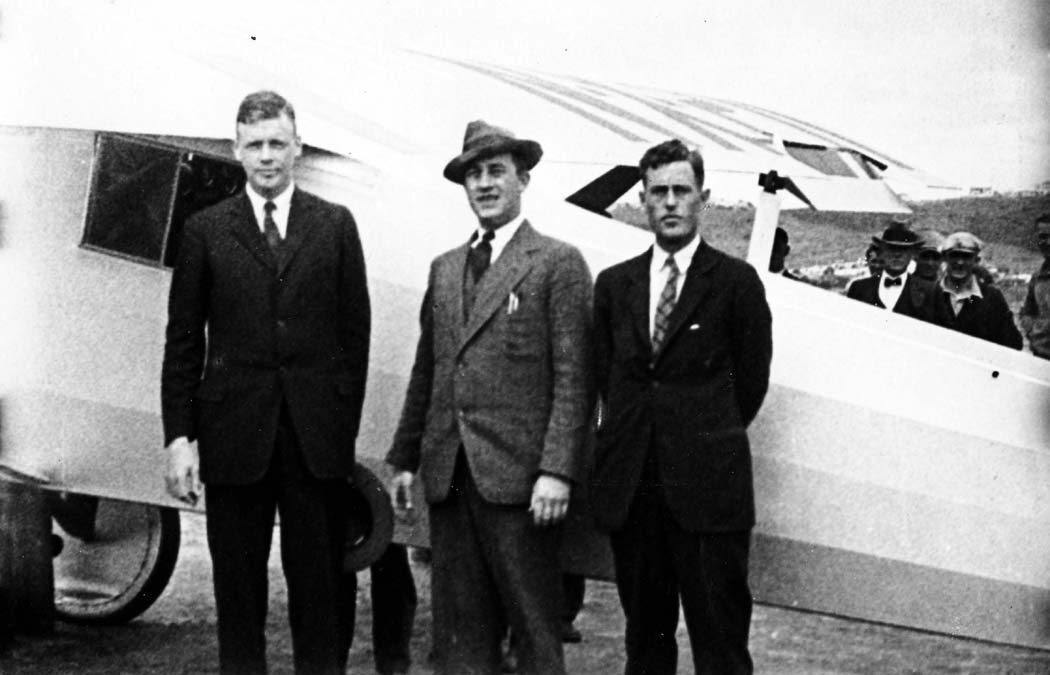
Donald A. Hall and his team engineered the Spirit of St. Louis for Lindbergh’s flight, sparking global aviation. Today, we use those historical roots to propel the next generation into hands-on STEAM pathways.
Spirit100 · Our current milestone
The first 100 starts with us.
Support the people, relationships and Roots2Wings learning through Curiosity (In development) and Innovation (In development).
The first verified fundraising report is being prepared. Received contributions will appear here after reconciliation.
Each $1,000 splits 40/30/20/10; its $400 Roots2Wings share funds one student's course. Course places are confirmed with local delivery partners and reported separately. Gifts of every size contribute. There is no fundraising deadline.
The Roots2Wings pathway
Curiosity starts here.
Both pathways run with local mentors, museums, airports, and clubs. Need-based scholarships will be available. Course availability and local partners will be announced as delivery is arranged; an interest inquiry is not enrollment.
In development
Curiosity
An in-person recreational drone-learning course with guided flight, safety, and the FAA’s free TRUST test.
In development
Innovation
A mentor-guided, remote-first course focused on commercial drone knowledge and preparation for the FAA’s Part 107 certification process.
Free self-study (in development)
We’re also developing FREE recreational self-study materials for people who prefer to explore on their own.
The Collection is the engine
Real evidence makes history personal.
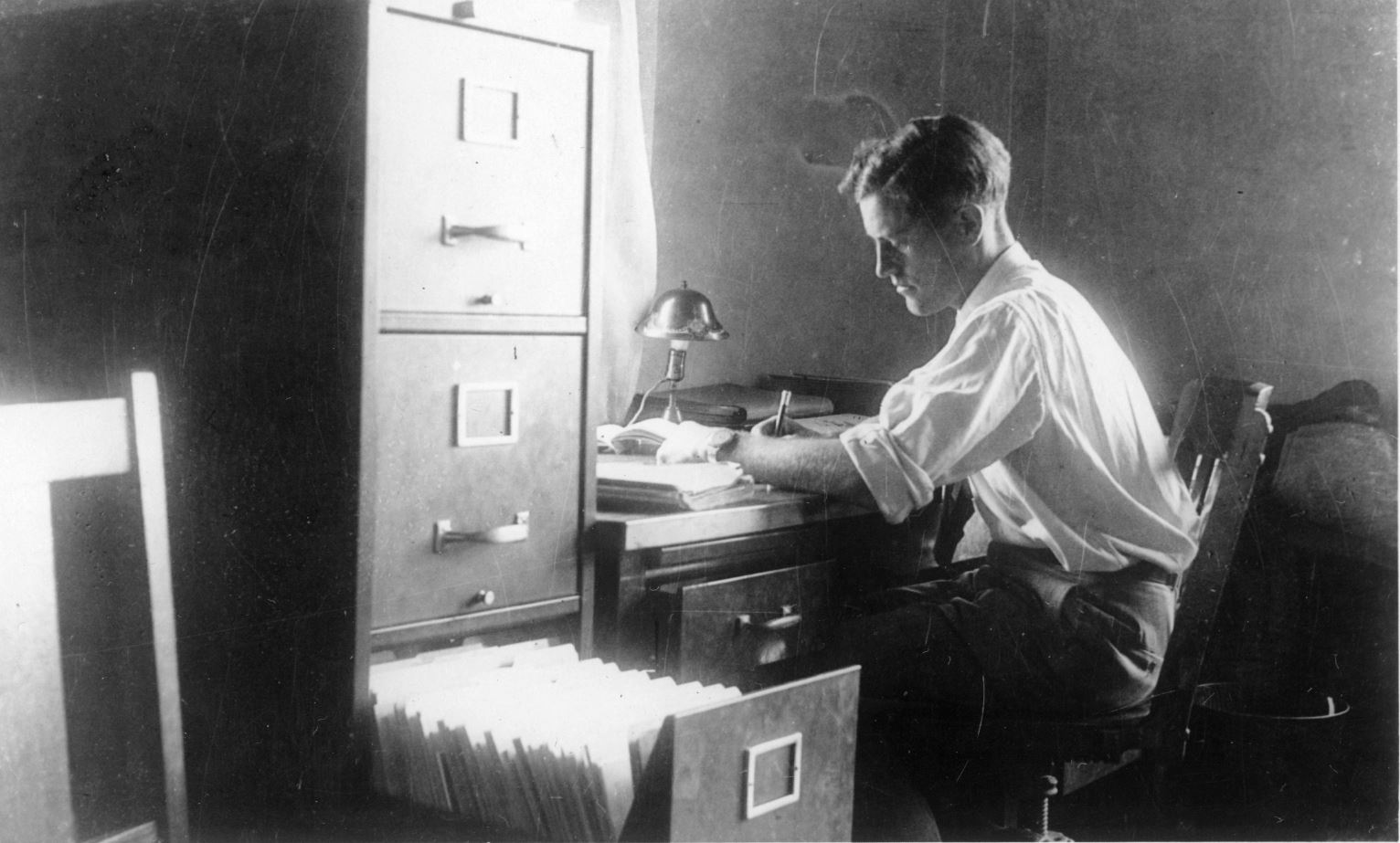
Donald A. Hall's original drawings, photographs, correspondence, and design records prove that historic flight was not magic. It was a sequence of hard questions, calculations, tests, compromises, and team decisions. We preserve this exact evidence to ask students a forward-looking question: what will you build?
Our regional roadmap
Begin in the West. Build relationships that last.
We are creating long-term educational partnerships. Specific event dates and student spots will be announced once venues are finalized.
First focus
West · 2027–2028
Phoenix · Las Vegas · San Diego. We assemble local support, define the introduction, and train leaders to carry it forward.
Planned
Central · 2029–2030
St. Louis · Chicago · Oshkosh. Connect the next regional network as capacity and local leadership develop.
Planned
East · 2030–2031
New York · Washington, DC · Lakeland. A planned next chapter with an intentional overlap with the Central window.
Spirit100 · Departure centennial
A century of possibility.
Charles Lindbergh departed Long Island on May 20, 1927, and arrived in Paris on May 21. Today, we carry that same curiosity into the next generation.
Calendar countdown as of 2026-10-27, America/Phoenix. The anniversary is separate from fundraising and program delivery.
There is a place for you here.
Donate, introduce us to a local organization, mentor a student, or help form a city committee. One good connection makes the next step possible.