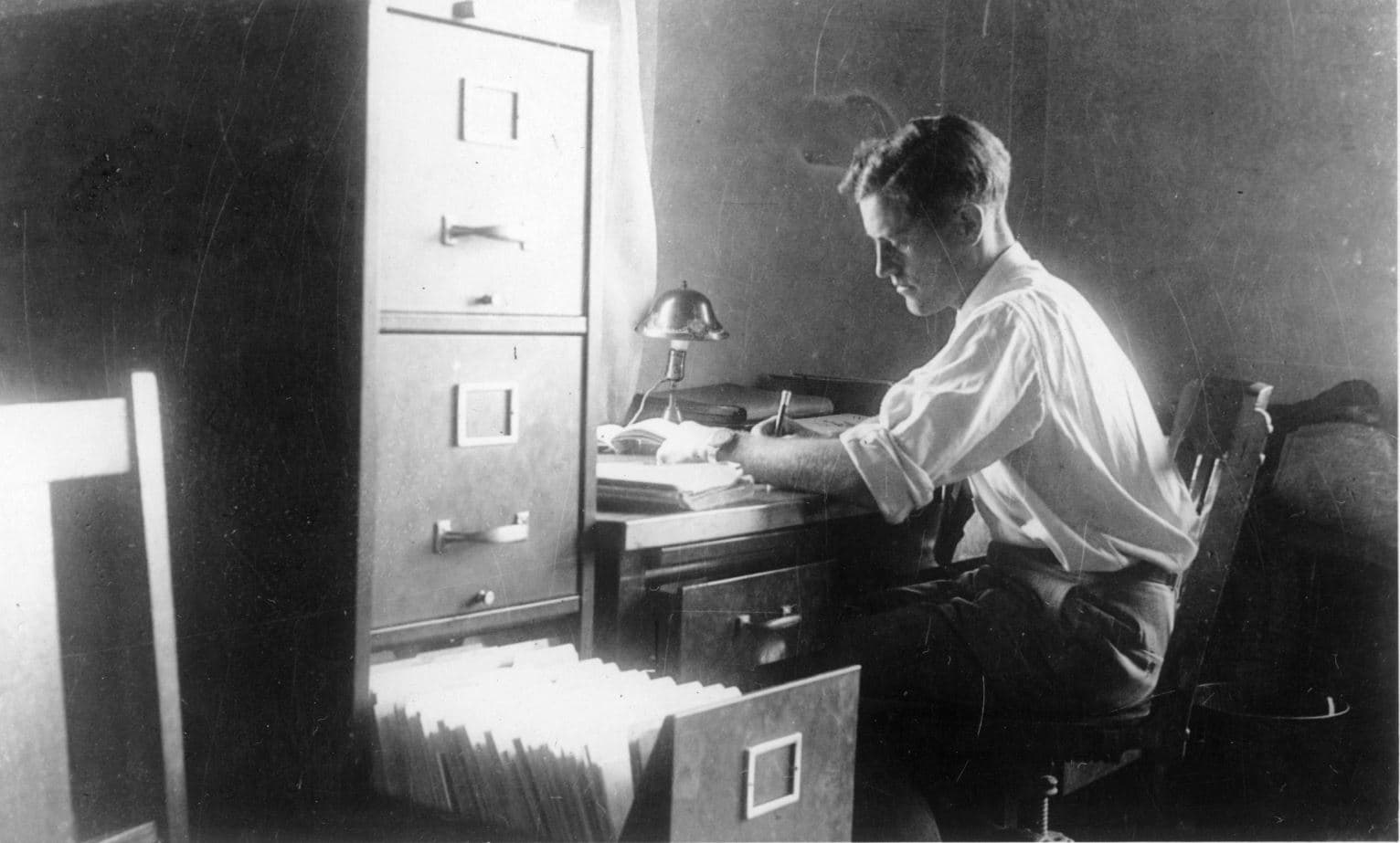
The Donald A. Hall Collection
The Collection is not the destination. It is the launchpad.
Original photographs, engineering blueprints, letters, negatives, art, books, and years of preservation give Flying Over Time something rare: a public story with hard evidence underneath it.
Editorial principle
Evidence before eloquence.
A compelling story is only as strong as its facts. Flying Over Time connects public storytelling directly to original records. We distinguish hard facts from ongoing research and maintain a strict correction path. This discipline lets our collection serve many forms: student lessons, historical articles, museum exhibitions, press requests, documentaries, or the spark that launches a STEM career.
Explore
One collection. Five ways in.
Begin with a person, a story, a publication, a research question, or the Estate gallery.
Curated reading room
Stories from the record
Eight featured first-person and historical records detailing the original discovery, our archival work, public exhibitions, and artistic interpretation.
The engineer
Donald A. Hall Sr. Biography
The life and legacy of the engineer who designed the Spirit of St. Louis, from his early training to his later aircraft and helicopter innovations.
Publication
Spirit & Creator
Nova Hall's published book weaves the family-held photographs and original documents into a compelling narrative about Donald A. Hall and the Spirit of St. Louis.
Press and production
Work with the evidence
Request expert interviews, high-resolution assets, original source material, rights information, and production collaborations.
The Estate
Donald A. Hall Estate Collection
Explore original photographs, engineering blueprints, historic letters, newspaper clippings, and personal records tracing the engineer's incredible life and the creation of the Spirit of St. Louis.
From evidence to interpretation
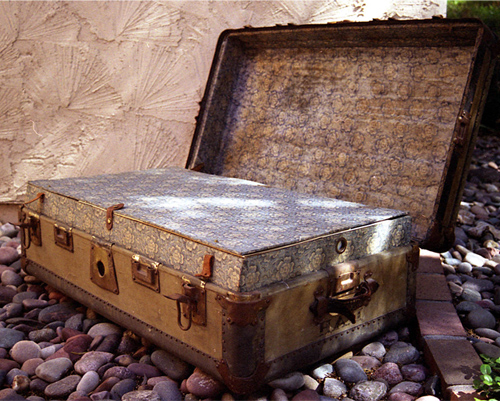
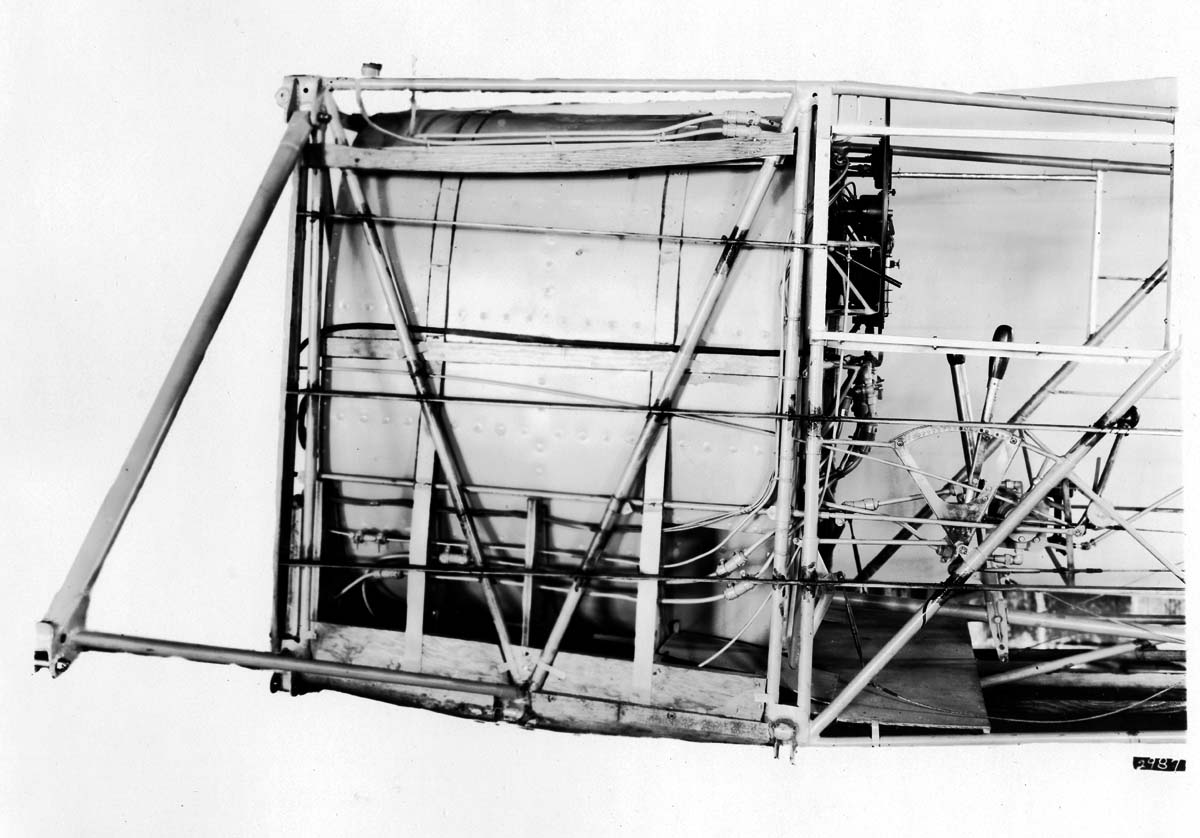
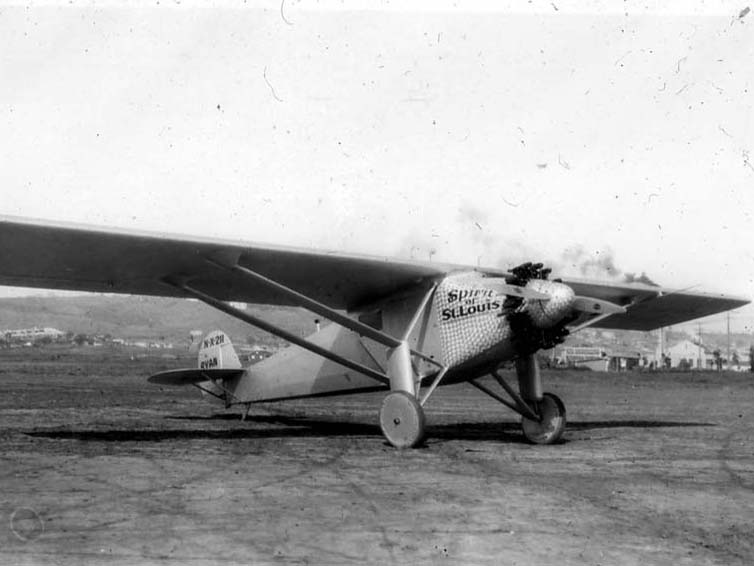
The engineering record has texture.
A family discovery, a technical drawing, and a finished aircraft each tell a different part of the story.
Collection stewardship
Three promises behind every public use.
- 1
Preserve
Stabilize, inventory, digitize at high-resolution archival quality, and securely protect physical custody.
- 2
Verify
Verify people, places, dates, and rights. We confirm exact source trails before publishing historical claims.
- 3
Share responsibly
Provide cleared assets for web, press, exhibitions, and educational programs while strictly preserving permissions and historical accuracy.
Keep the evidence useful