The Art
Flying Over Time Collection
Explore Nova Hall’s mixed-media paintings, sculptures, and works on paper inspired by aviation history, family archives, and the imagination.
Explore the Flying Over Time Collection
37 images from the Flying Over Time Collection. Search captions and descriptions, and open any image to view it in full. All images Copyright Nova Hall.
37 images
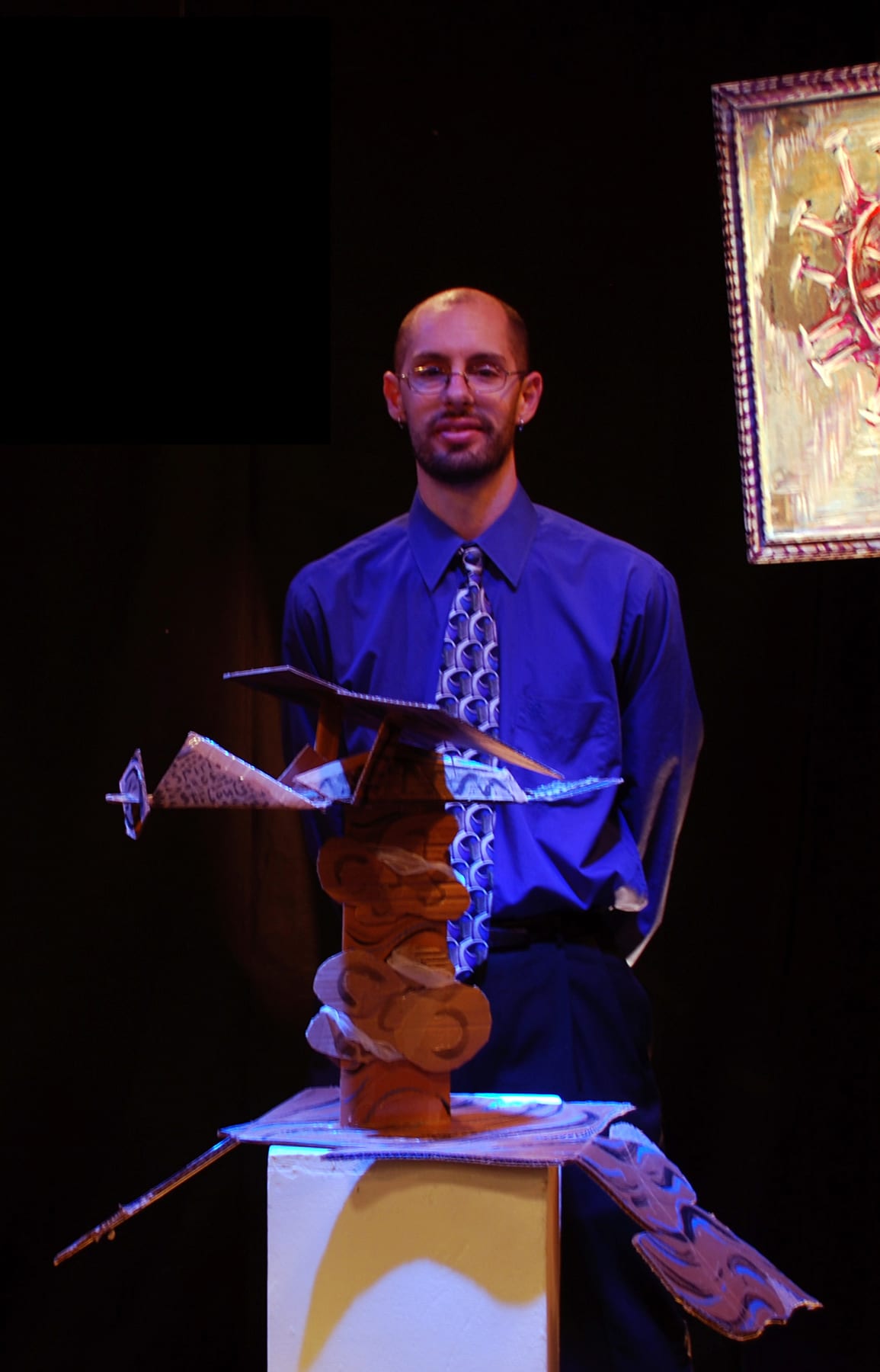
A brilliant leap into three-dimensional space, Broken Spirit is a Cubist, Picasso-inspired deconstruction of aviation’s most famous aircraft. Constructed entirely from common cardboard and black ink—the absolute, unpretentious epitome of Arte Povera—the sculpture forces the viewer to confront the fragility of the Spirit of St. Louis. Nova Hall fractured the fuselage open, allowing the audience to simultaneously view the iconic silver exterior and the complex, skeletal interior engineering. Adhered to the raw corrugated cardboard are authentic 1927 photographs taken by Donald A. Hall Sr., serving as Rauschenberg-style assemblage elements in a 3D space. Developed through the spatial challenges posed by Leandro Soto, this highly popular prototype serves as the blueprint for a future, monumental 8-foot installation.
Nova Hall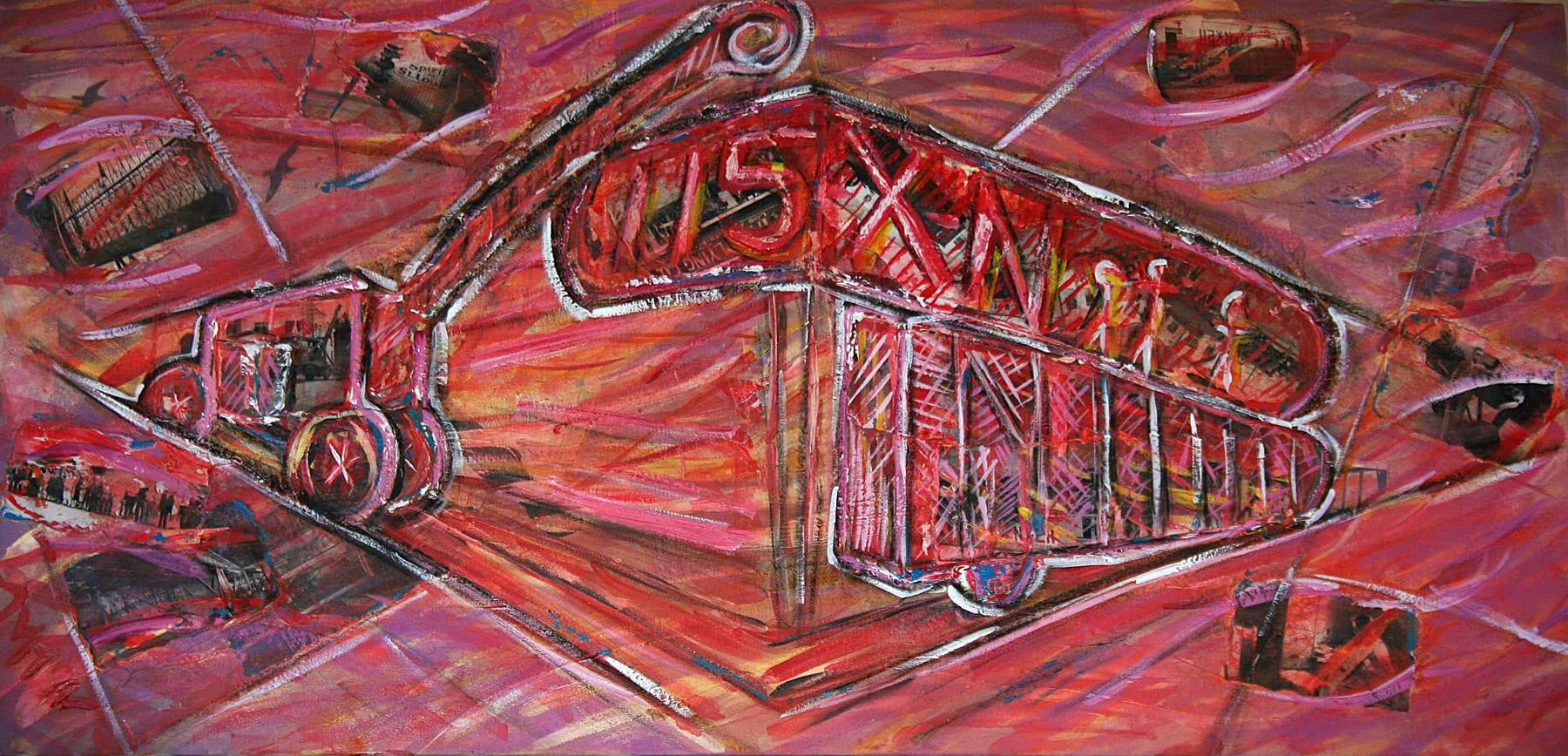
A sweeping, panoramic canvas measuring approximately 20 by 34 inches, Broken Wing captures a heart-stopping, near-disastrous moment in the 60-day build. The painting documents the delicate extraction of the Spirit of St. Louis’s sprawling 46-foot wing from the second story of the San Diego factory—a maneuver that nearly required tearing the building apart. Set against an urgent, rushing background of magenta and crimson, the composition is an experiment in forced perspective, guided by the teachings of Leandro Soto. Embedded within the frantic acrylic strokes are the actual 1927 photographs Donald Hall Sr. took of the event, showing the fragile aircraft suspended precariously by a crane over a train boxcar. The Rauschenberg-style assemblage perfectly conveys the fragility of the engineering triumph; a single snapped cable would have ended the transatlantic dream before it ever reached the runway.
Nova Hall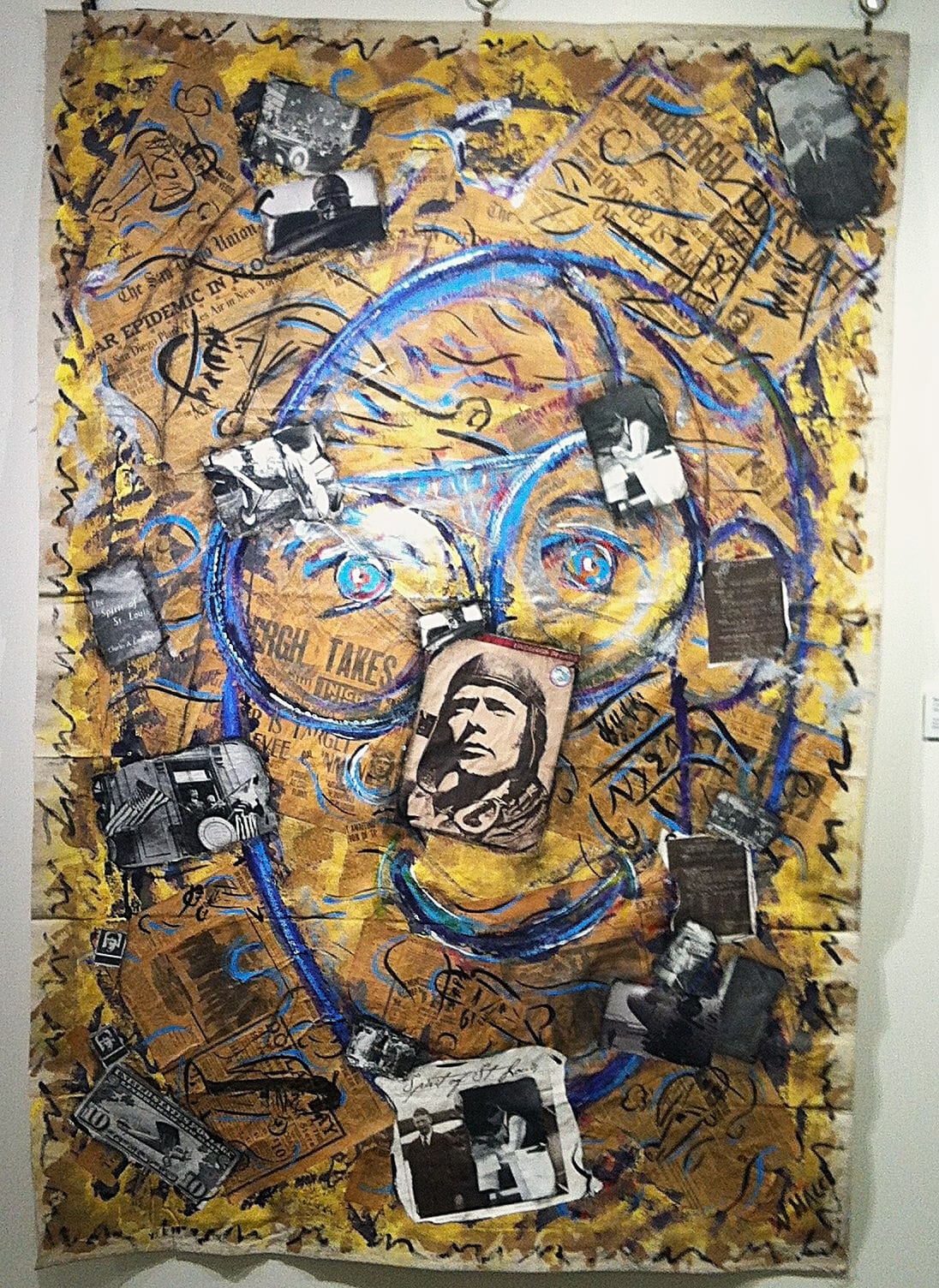
Hanging unconstrained like a medieval tapestry, the massive 69-by-46-inch Cartoon Hero is a biting, physical deconstruction of celebrity mythos. The canvas is saturated in jarring yellows and stark sumi ink, aggressively outlining a distorted, almost grotesque caricature of Charles Lindbergh. The portrait critiques the unrealistic, two-dimensional idolization of the aviator in 1927—and foreshadows his eventual, deeply controversial fall from global grace. The surface is heavily armored with original, hand-selected 1927 newspapers recovered from Donald Hall Sr.’s steamer trunk, which Nova has unapologetically drawn over with thick, inky brushstrokes. This clash of authentic historical text and abrasive contemporary illustration perfectly executes the subversive, assemblage ideals of Robert Rauschenberg, demanding the viewer question the very nature of the heroes history chooses to print.
Nova Hall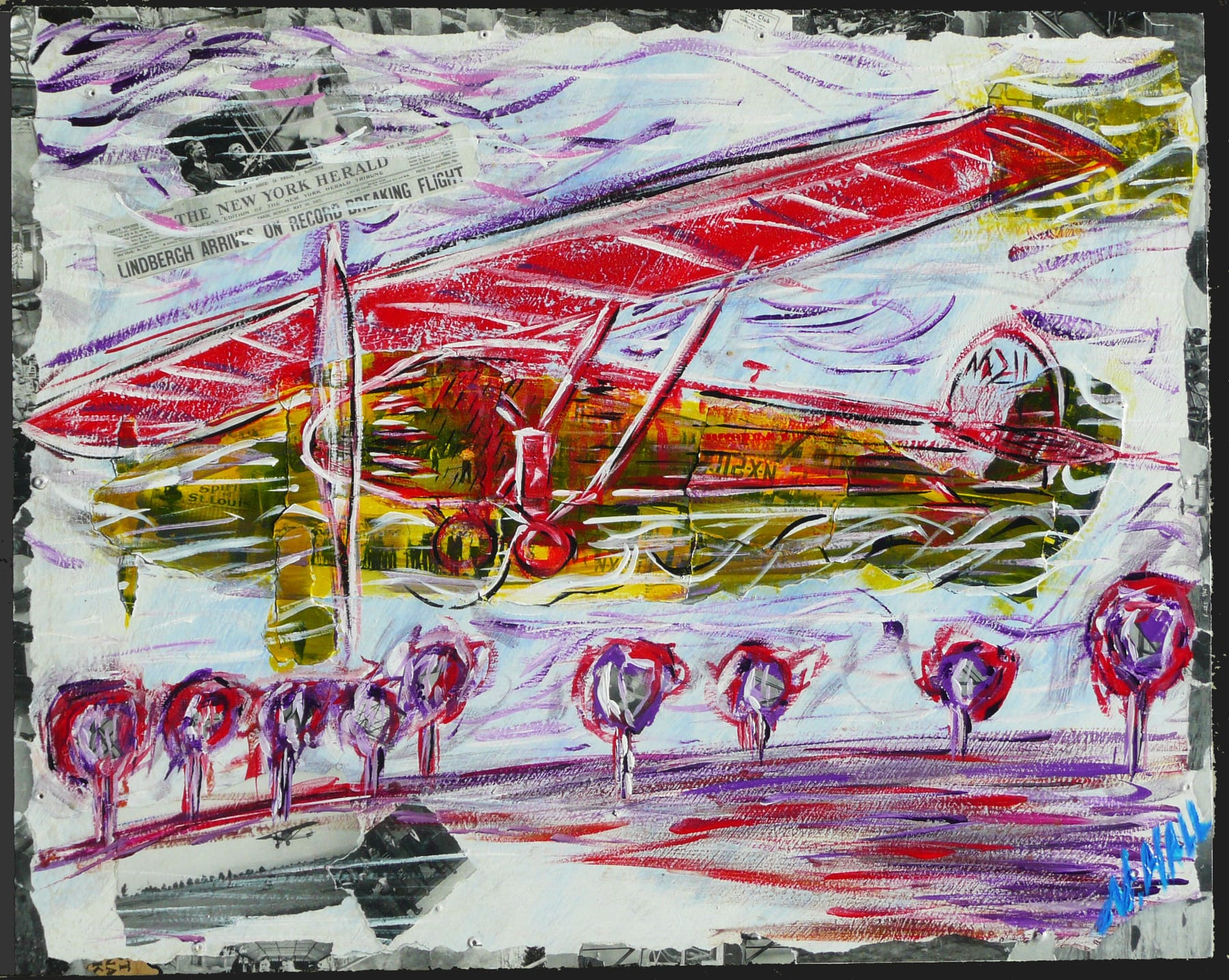
As the third completed painting in the Flying Over Time collection, Clearing the Trees holds profound developmental significance, executed directly under the watchful guidance of Professor Leandro Soto in 2011. The piece immortalizes the terrifying, fuel-heavy takeoff from Roosevelt Field. The silver monoplane dominates the center, laboring to gain altitude over a row of stark, crimson-ringed trees. Swirling atmospheric lines in violet and white echo Marc Chagall’s emotional skies, while the substrate itself—raw Masonite board—speaks to the unpretentious, material-focused ethos of Arte Povera. Ripping through the painted sky is an authentic fragment of The New York Herald, blaring the headline "LINDBERGH ARRIVES ON RECORD BREAKING FLIGHT." By physically embedding the Donald A. Hall Estate Archive into the rough Masonite, the artwork transcends traditional painting, becoming a sculptural assemblage in the direct lineage of Robert Rauschenberg.
Nova Hall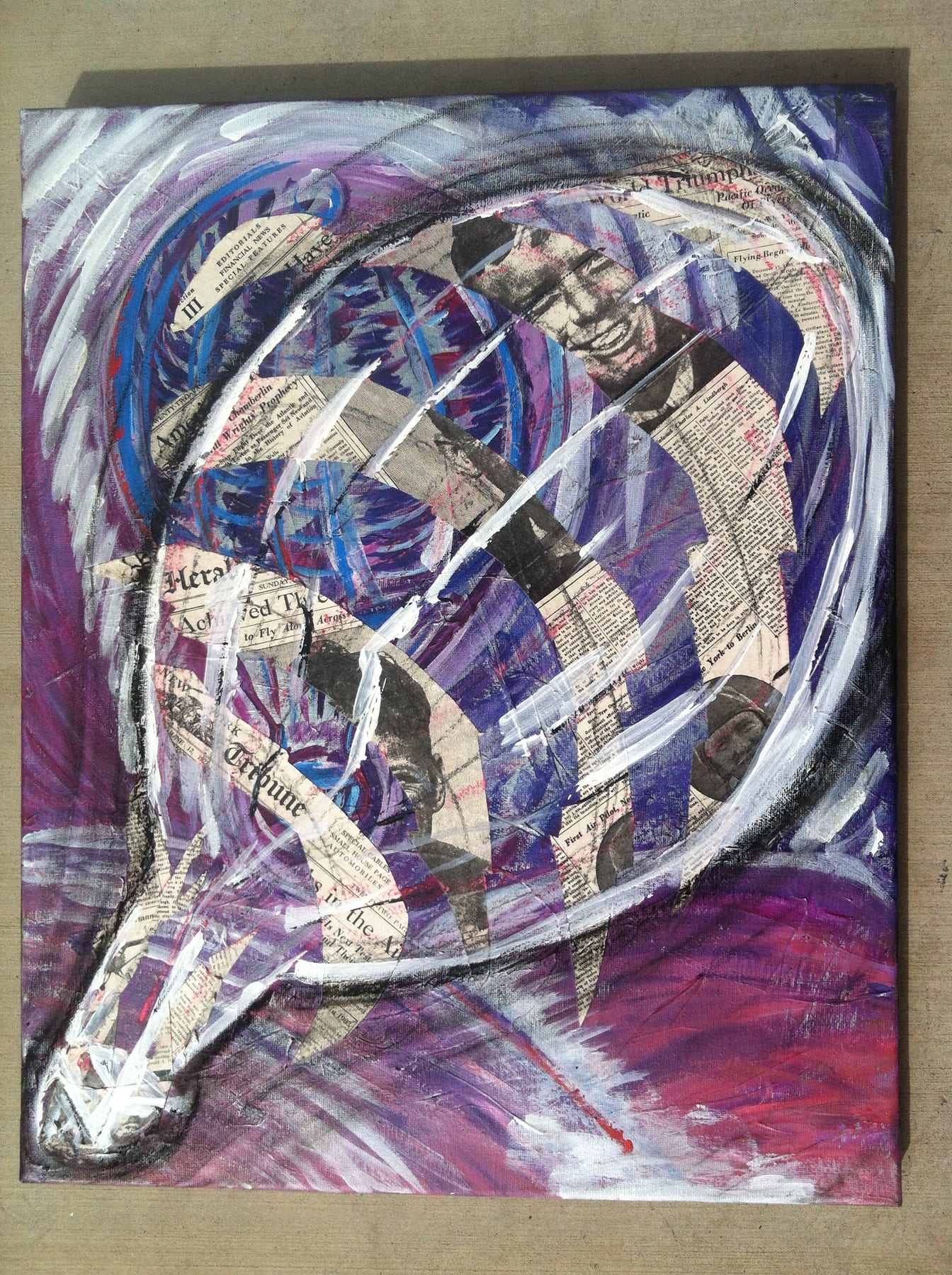
Created in 2024, Dreams of Flight steps backward in aeronautical history, leaving the rigid wings of the 1920s behind to explore the romantic, lighter-than-air origins of human flight. Measuring 20 by 16 inches, the canvas features a central hot air balloon drifting through an abstract, swirling atmosphere of deep purples and textured blues. The balloon’s envelope is entirely constructed from physical collage—authentic 1927 newsprint from the Donald A. Hall Estate, within which the face of Charles Lindbergh is subtly visible. Born from a challenge by a pilot to create a truly inspiring balloon painting, the artwork utilizes the Rauschenberg assemblage techniques and Arte Povera principles foundational to Nova's work, proving that the dream of breaking gravity transcends the machine itself.
Nova Hall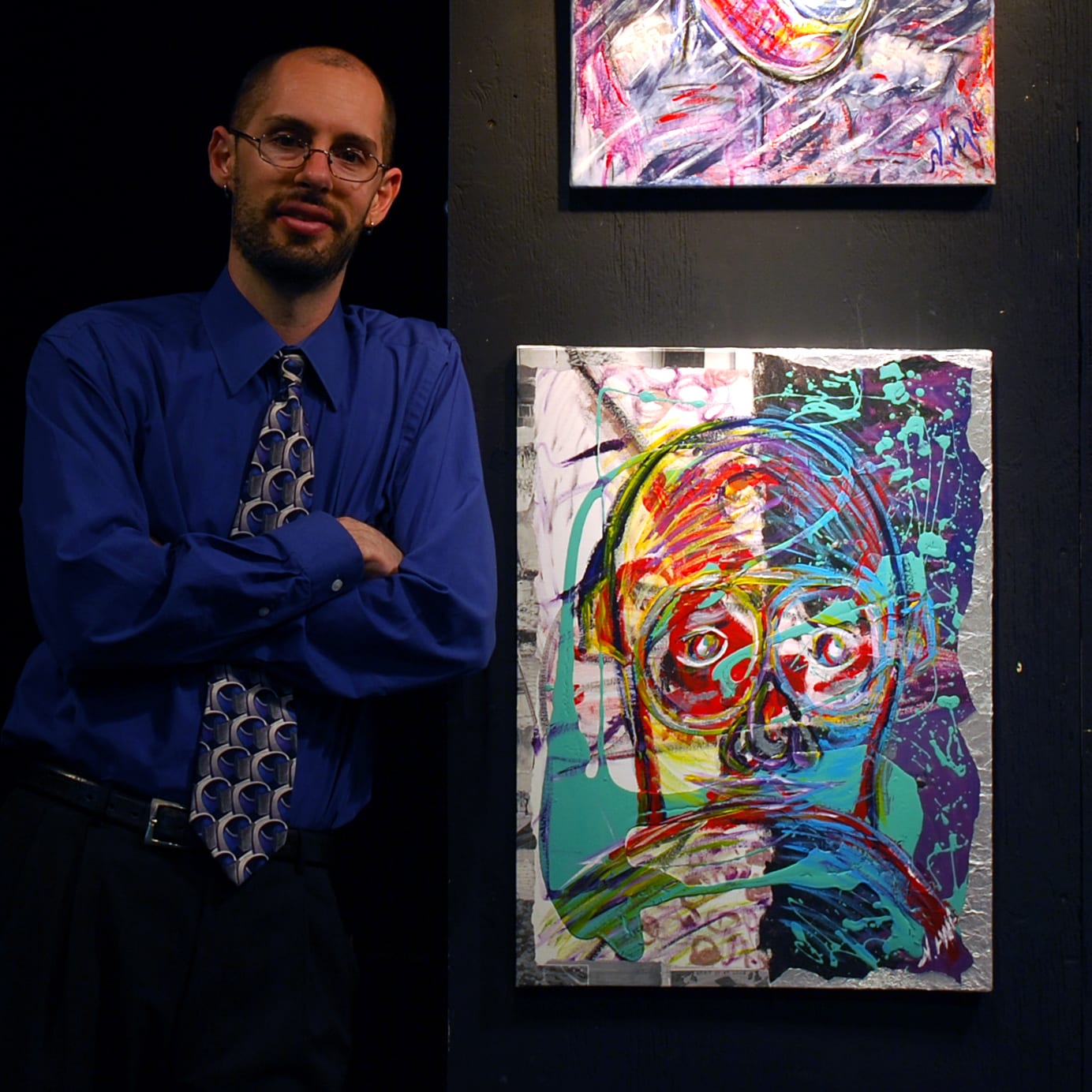
Measuring 24 by 18 inches, Duality is a stark, confronting portrait heavily inspired by the polarized legacy of Charles Lindbergh. Unlike the densely collaged works in the collection, this piece relies heavily on the power of negative space. The aviator’s face is split, rendered in violent, dripping strokes of cyan, magenta, and yellow, illustrating the profound tension between light and dark, hero and villain. Framed in cold, industrial aluminum—a stark contrast to the organic, paper-crafted frames of pieces like Clearing the Trees—the artwork embraces a sterile, modern execution of Arte Povera. Finished under the direct, guiding eye of Leandro Soto, the painting is a broader commentary on the human condition: a complex, deeply misunderstood exploration of the shadows that inevitably follow those who fly too close to the sun.
Nova Hall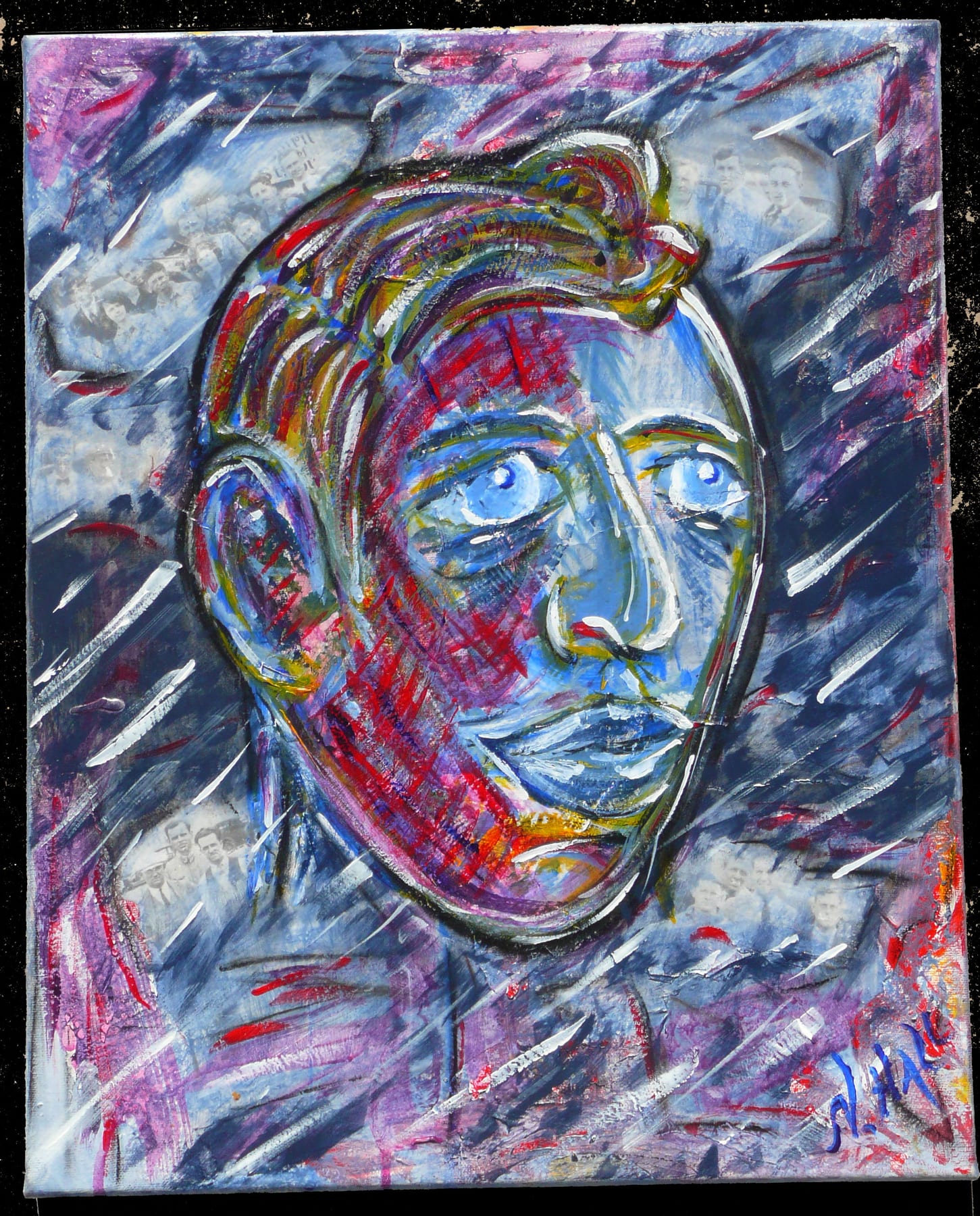
Everyman is a 20-by-16-inch homage to the unsung heroes of the aviation revolution: the men working 36-hour shifts on the factory floor. Stripping away the singular focus on the pilot and the chief engineer, this portrait represents the collective exhaustion and dedication of the Ryan Airlines crew. The central figure is painted in somber, reflective blues and bruised purples, his gaze weary yet resolute. Swirling around him in the stormy, textured acrylic are authentic 1927 group photographs of the actual builders from the Donald A. Hall Estate Archive. Mentored by Leandro Soto, Nova Hall uses these Arte Povera and assemblage techniques to create a haunted, layered narrative. The faces of history’s forgotten laborers literally emerge from the paint, demanding recognition a century later.
Nova Hall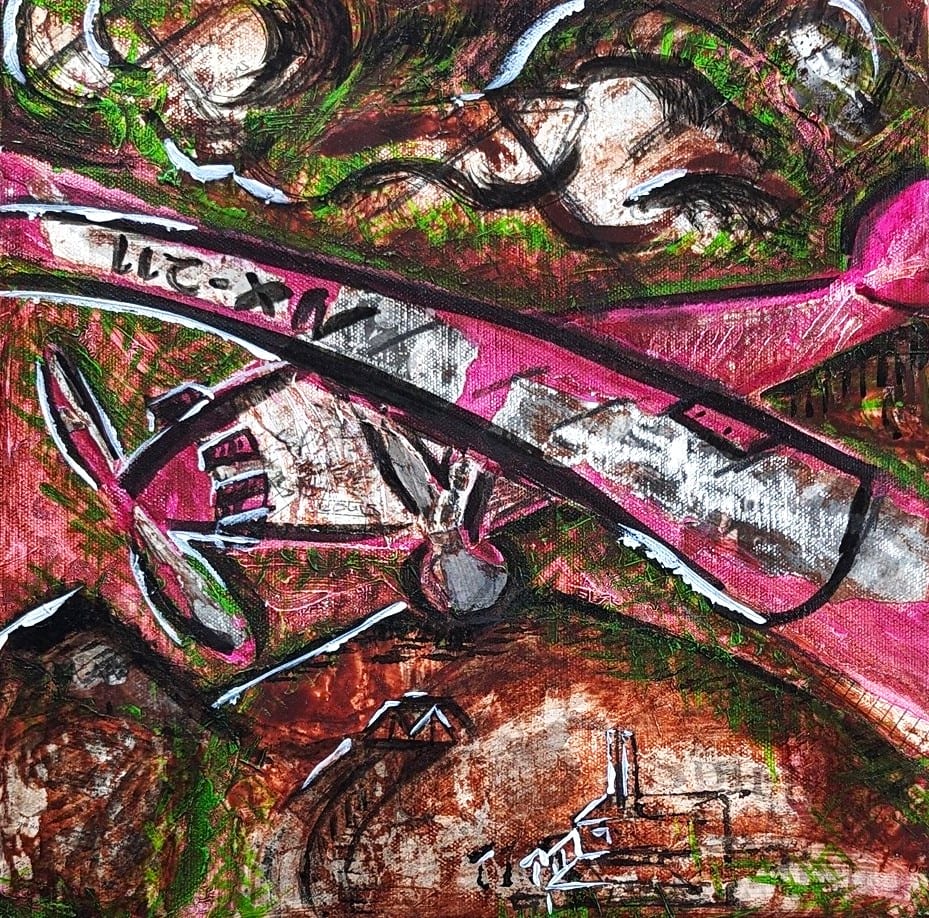
Meeting the notorious artistic challenge of executing complex narratives on a small scale, Flagstaff is a tightly coiled 12-by-12-inch masterwork that sold to a Canadian collector for $5,000. The piece serves as a geographic and historical prequel to the Paris crossing, depicting the Spirit of St. Louis racing across the clear, freezing skies of Northern Arizona en route to the starting line in St. Louis. Painted in intense, rushing strokes of vivid magenta, earthy greens, and deep browns, the canvas echoes the emotional, dreamlike environments of Marc Chagall. Embedded into the terrain are actual 1927 archival texts and photographs from the Donald A. Hall Estate, utilizing the Robert Rauschenberg assemblage methods mastered under Leandro Soto. The Arte Povera execution transforms a small canvas into a massive, rushing window into 1920s aviation history.
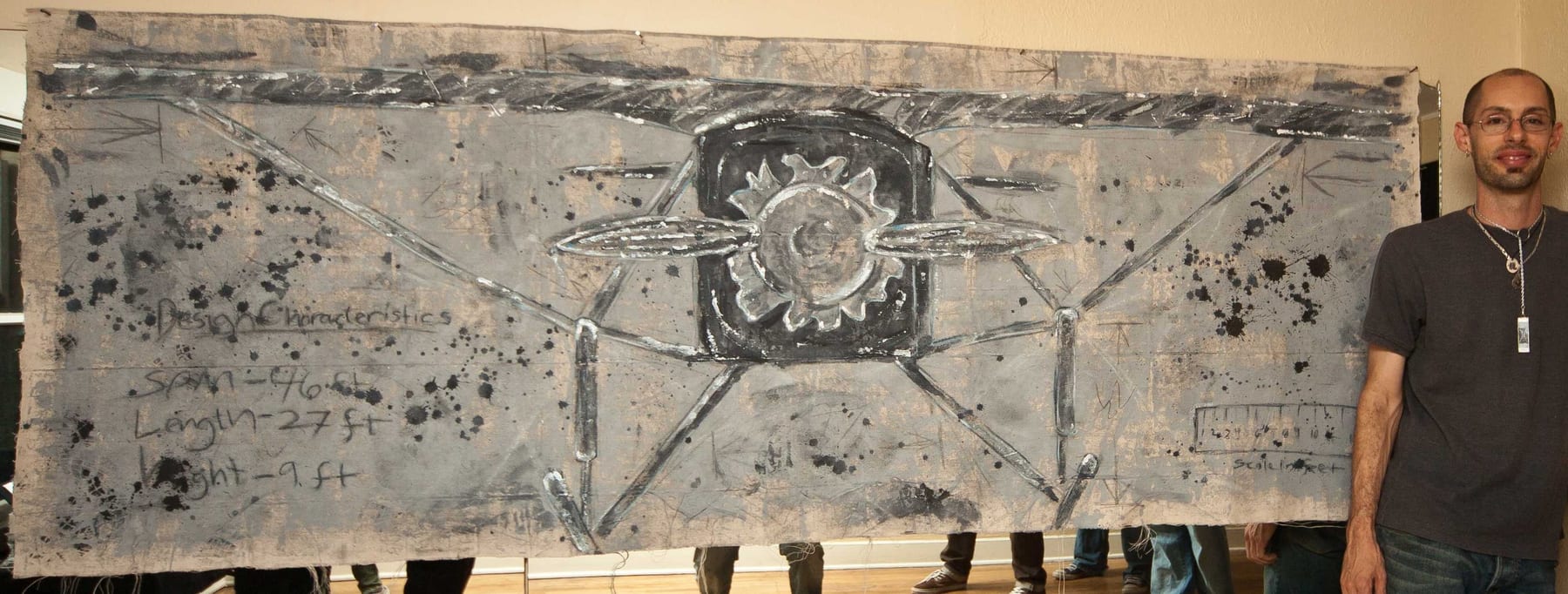
Nova HallSpanning over eight feet wide, Front View in Silver is a raw, monumental drafting schematic brought to life. Executed on heavy, unstretched canvas, the piece utilizes a gritty fusion of latex paint, graphite, ink, and acrylic to depict the Spirit of St. Louis head-on. The unmistakable Wright J-5 engine cowling stares down the viewer, flanked by Donald A. Hall Sr.'s exact engineering specifications scrawled into the negative space: "Span - 46 ft, Length - 27 ft." Hailed by mentor Leandro Soto as the breakthrough masterpiece of Nova Hall's early career, this specific painting catalyzed the entire "Flying Over Time" exhibition and subsequent 501(c)(3) charity. Stripped of romanticism and embracing the absolute materiality of Arte Povera, the work is a staggering visual testament to the brutal mathematics of survival.
Nova Hall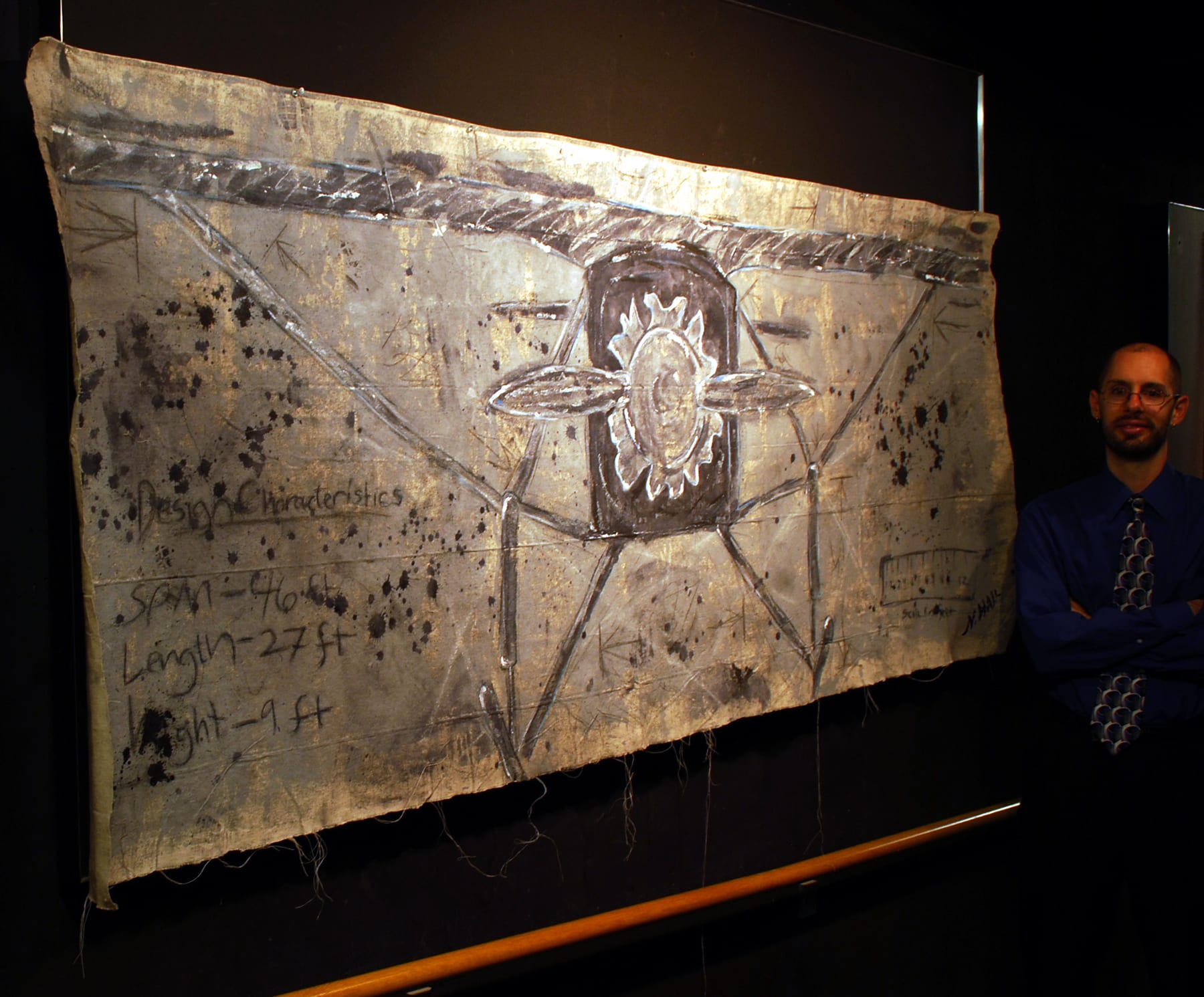
Spanning over eight feet wide, Front View in Silver is a raw, monumental drafting schematic brought to life. Executed on heavy, unstretched canvas, the piece utilizes a gritty fusion of latex paint, graphite, ink, and acrylic to depict the Spirit of St. Louis head-on. The unmistakable Wright J-5 engine cowling stares down the viewer, flanked by Donald A. Hall Sr.'s exact engineering specifications scrawled into the negative space: "Span - 46 ft, Length - 27 ft." Hailed by mentor Leandro Soto as the breakthrough masterpiece of Nova Hall's early career, this specific painting catalyzed the entire "Flying Over Time" exhibition and subsequent 501(c)(3) charity. Stripped of romanticism and embracing the absolute materiality of Arte Povera, the work is a staggering visual testament to the brutal mathematics of survival.
Nova Hall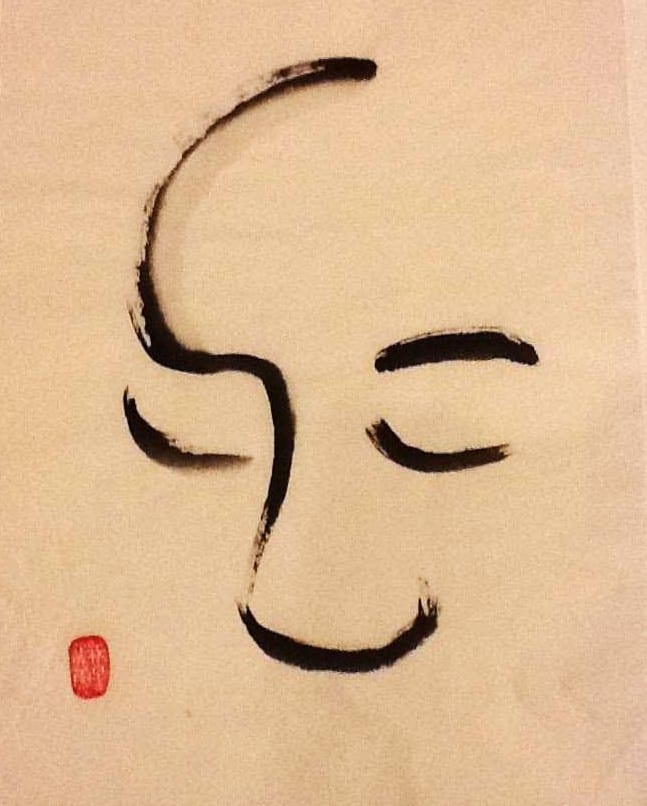
Glenn's Curtiss represents a breathtaking pivot in medium, proving Nova Hall’s mastery of the ancient, unforgiving discipline of sumi-e ink taught by his mentor, master painter Leandro Soto. Executed on delicate mulberry paper, the portrait consists of just a few flawless, sweeping black brushstrokes that form the tranquil profile of Glenn Curtiss. Curtiss was the engineering titan who first hired a young Donald A. Hall fresh from the Pratt Institute, elevating him from junior draftsman to Design Engineer. Stripped of the dense Arte Povera assemblage of the broader collection, this minimalist piece relies on the profound negative space and emotional restraint reminiscent of Chagall’s quietest works. Stamped with a traditional Chinese red ink signature, the artwork bridges Eastern aesthetic philosophy with the gritty, industrial birth of American aerospace engineering.
Nova Hall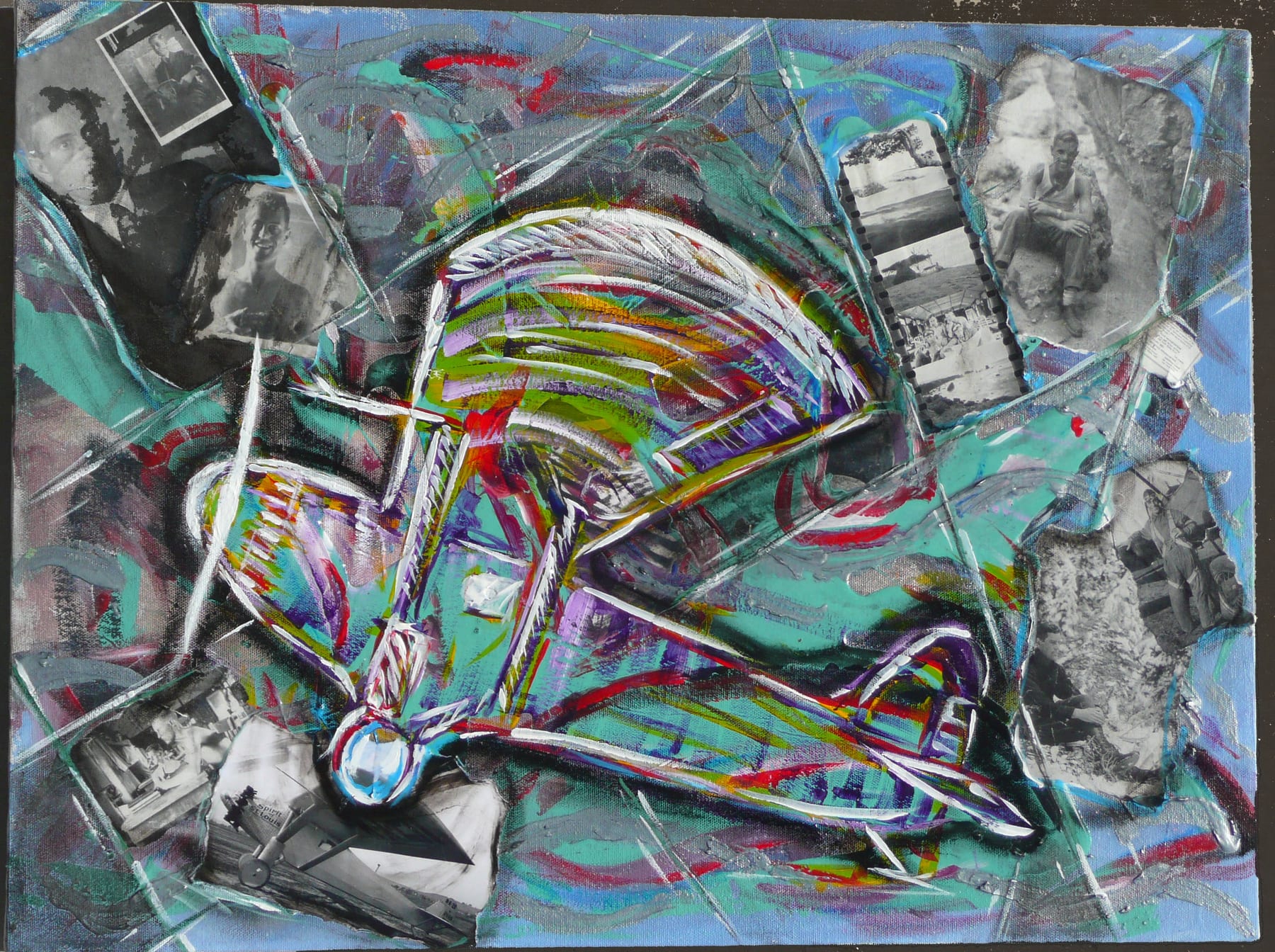
Shattering the one-dimensional stereotype of the obsessive, drafting-room engineer, Grandfather is a deeply personal 18-by-24-inch homage to Donald A. Hall Sr.’s profound love for the natural world. Floating against a topographical, fluid background of teal, blue, and silver is a highly stylized, almost childlike rendering of the Spirit of St. Louis—a deliberate stylistic choice encouraged by mentor Leandro Soto to access untethered imagination. Bordering the aircraft are authentic, black-and-white archival photographs of Hall hiking, camping, and exploring the wilderness. Fusing ink and acrylic with Robert Rauschenberg’s collage techniques, the piece connects the mechanical genius of the 1927 flight with the quiet, grounding spirit of a lifelong conservationist.
Nova Hall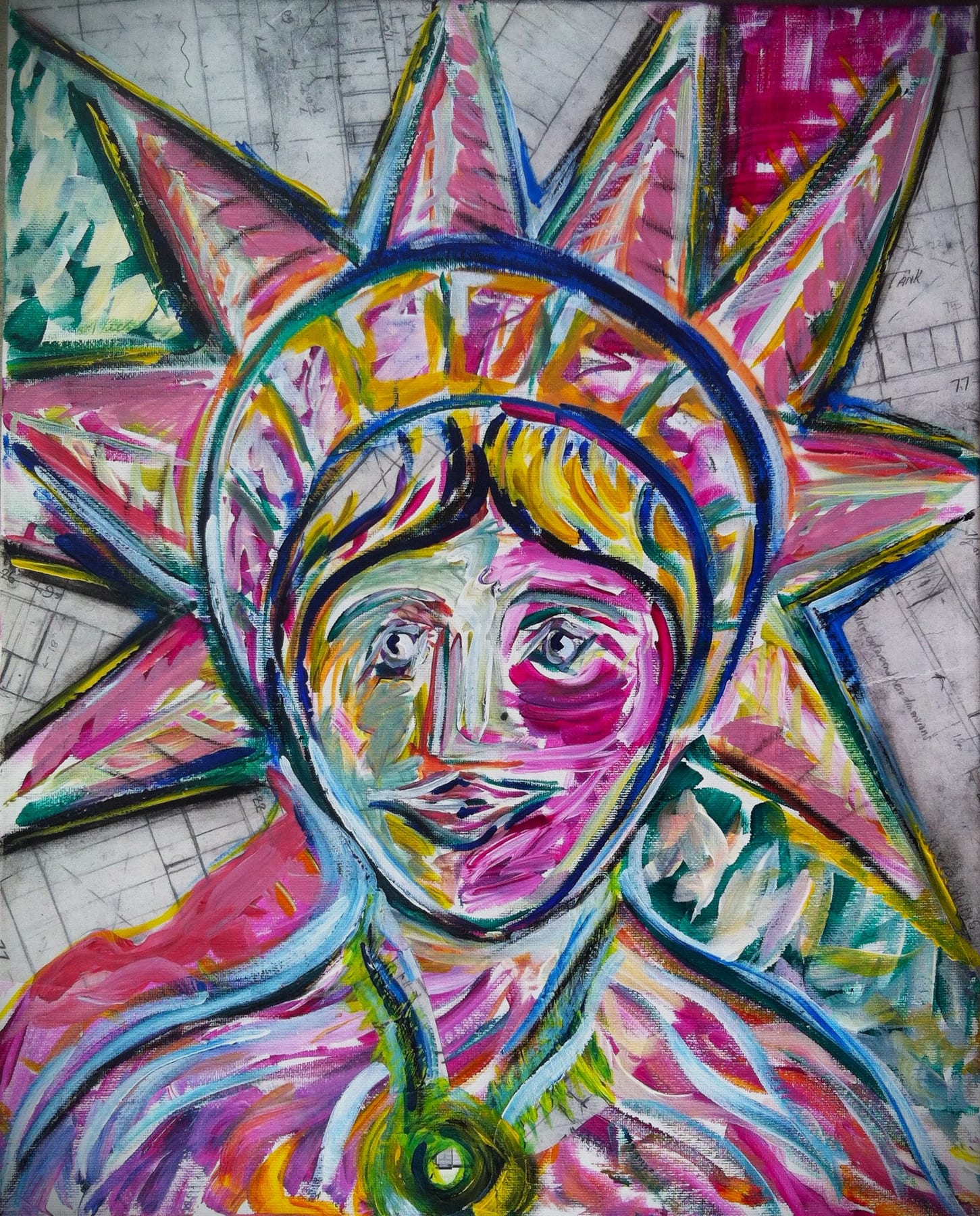
Measuring 20 by 16 inches, Liberty is a vibrant, fractured homage to the French-gifted monument that stood watch as the Spirit of St. Louis lumbered into the sky over New York. The face and crown of Lady Liberty are deconstructed into thick, stained-glass-like shards of magenta, teal, and gold, channeling the spiritual and emotional color theory of Marc Chagall. The background is a pure Robert Rauschenberg assemblage, constructed entirely from original, meticulously drafted 1927 wing blueprints pulled directly from the Donald A. Hall Estate Archive. Completed after formal mentorship but rigorously critiqued by Leandro Soto, the canvas perfectly balances the unpretentious, raw aesthetic of Arte Povera with the exact, calculated mathematics that made the historic transatlantic crossing possible.
Nova Hall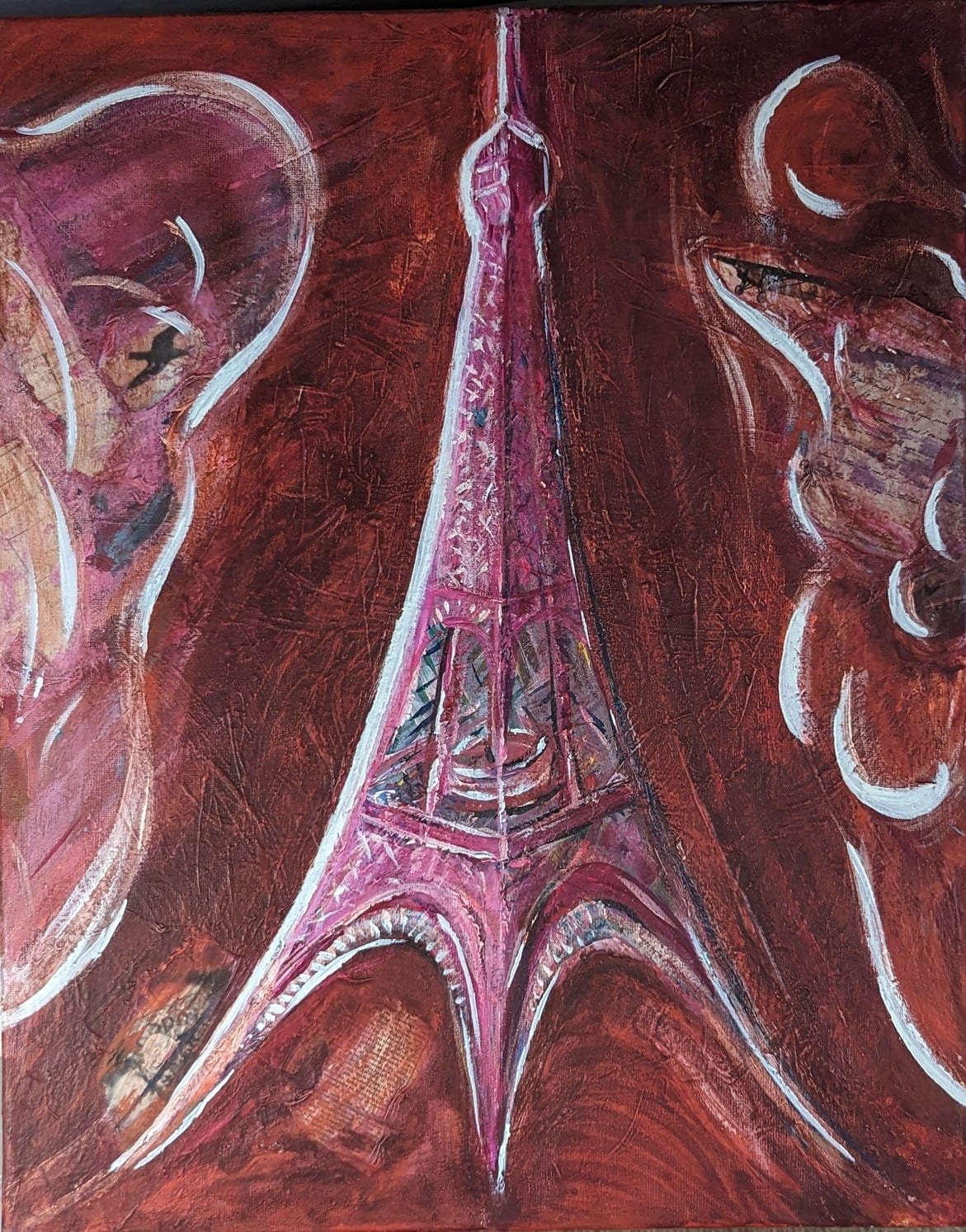
Anchored by the architectural triumph of the Eiffel Tower, this visceral mixed-media work is saturated in deep, emotional crimsons reminiscent of Marc Chagall’s dreamlike palettes. Flanking the iron spire are ghostly, stylized profiles that evoke the spiritual presence of the men who conquered the Atlantic—the pilot, and the chief engineer, Donald A. Hall Sr. Executed under the foundational influence of international artist Leandro Soto, the canvas embraces the raw, material honesty of Arte Povera. The heavily worked, textured surface acts as a visual ledger, bridging the gap between a family's silent history and a global triumph, ensuring the legacy of the Spirit of St. Louis endures in the contemporary fine art space.
Nova Hall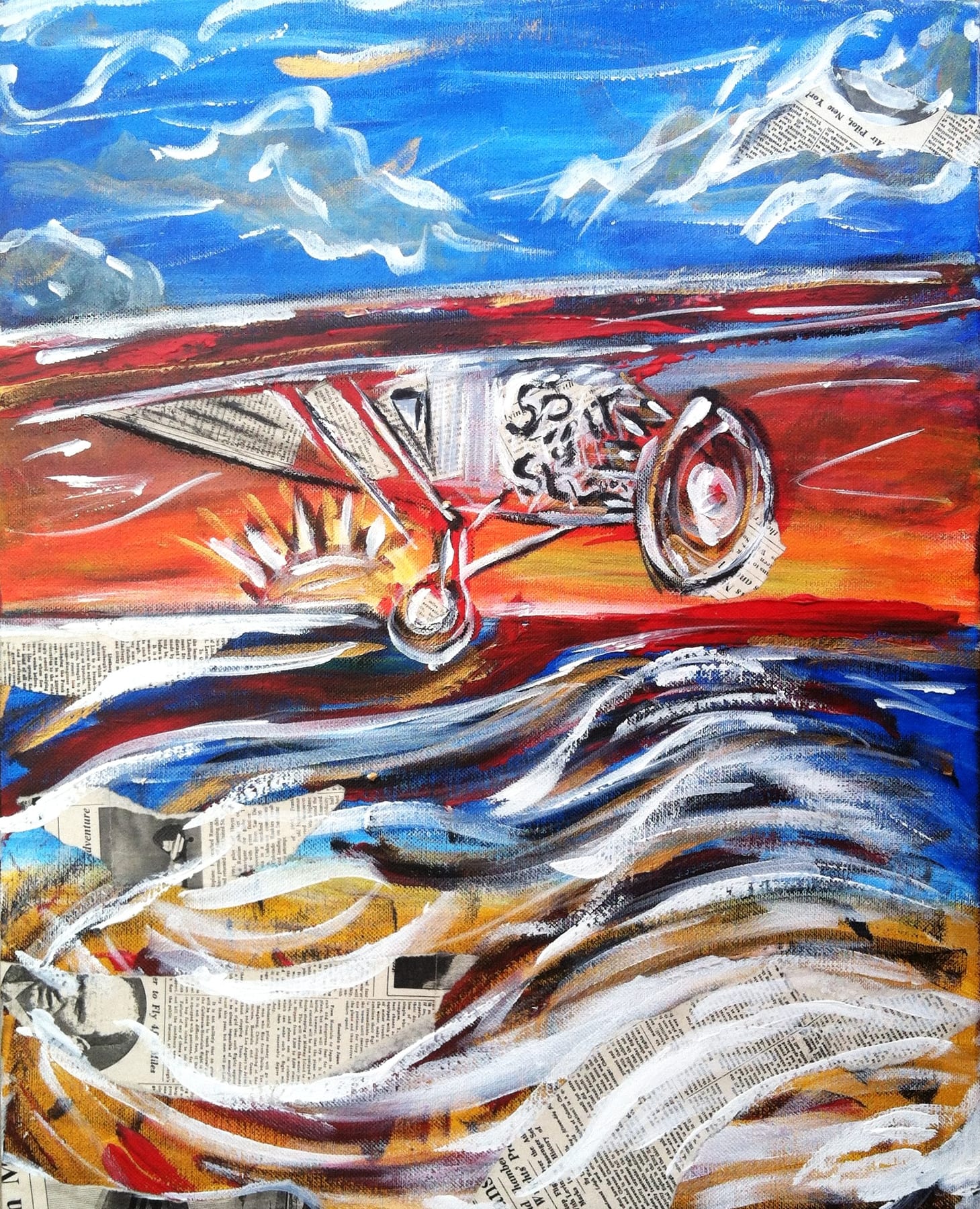
A vivid, atmospheric work from 2015, Lindbergh's First Sunset captures the deceptive calm before the psychological terror of the Atlantic night. The 20-by-16-inch canvas is split horizontally: the upper register burns with the brilliant, optimistic reds, oranges, and yellows of the setting sun, while the lower register churns with the heavy, violent blues and whites of the freezing ocean waves. The silver monoplane is caught between these two immense forces. Continuing the assemblage traditions learned from Leandro Soto, authentic newsprint is torn and embedded directly into the ocean swells and the aircraft’s fuselage, literally weighing the scene down with the burden of history. Custom-created for a private collection, it remains a rare, unexhibited glimpse into the pilot's looming isolation.
Nova Hall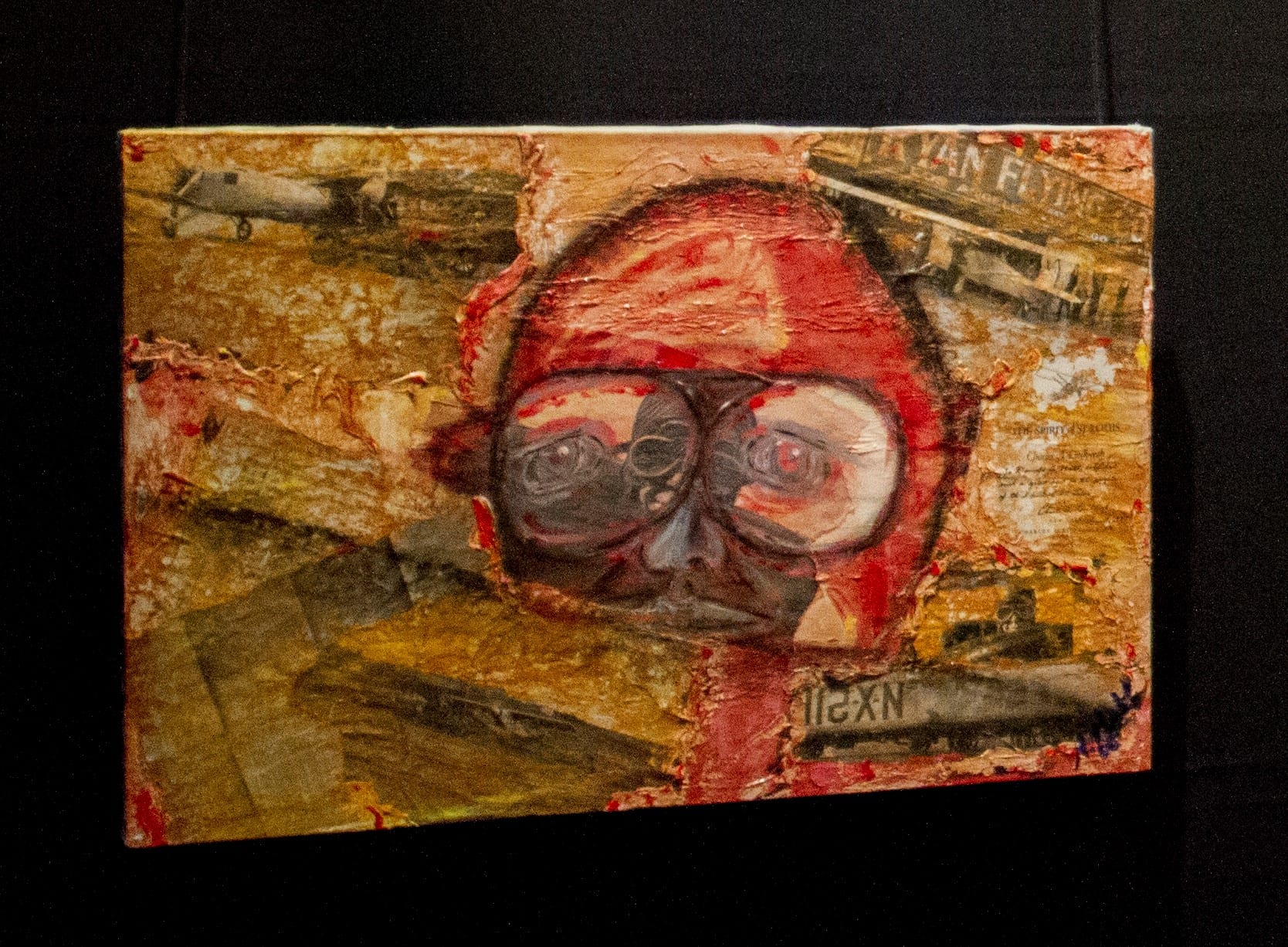
Lindy is the genesis—the experimental, foundational masterwork that birthed the entire Flying Over Time Collection. Measuring 16 by 24 inches, the canvas features a haunting, closely cropped portrait of Charles Lindbergh, his iconic flight goggles reflecting the weight of the Atlantic crossing. Executed in 2010 with the direct, hands-on mentorship of Leandro Soto, the piece is drenched in a masterful sepia wash that evokes the fragile, aging reality of 1920s newsprint. Utilizing Robert Rauschenberg’s assemblage techniques, authentic 1927 text and imagery from the Donald A. Hall Estate Archive are embedded directly into the substrate. Housed in a recycled frame true to the Arte Povera tradition, Lindy strips away the polished myth of the aviator, presenting a raw, exhausted hero inextricably linked to the engineer's archived history.
Nova Hall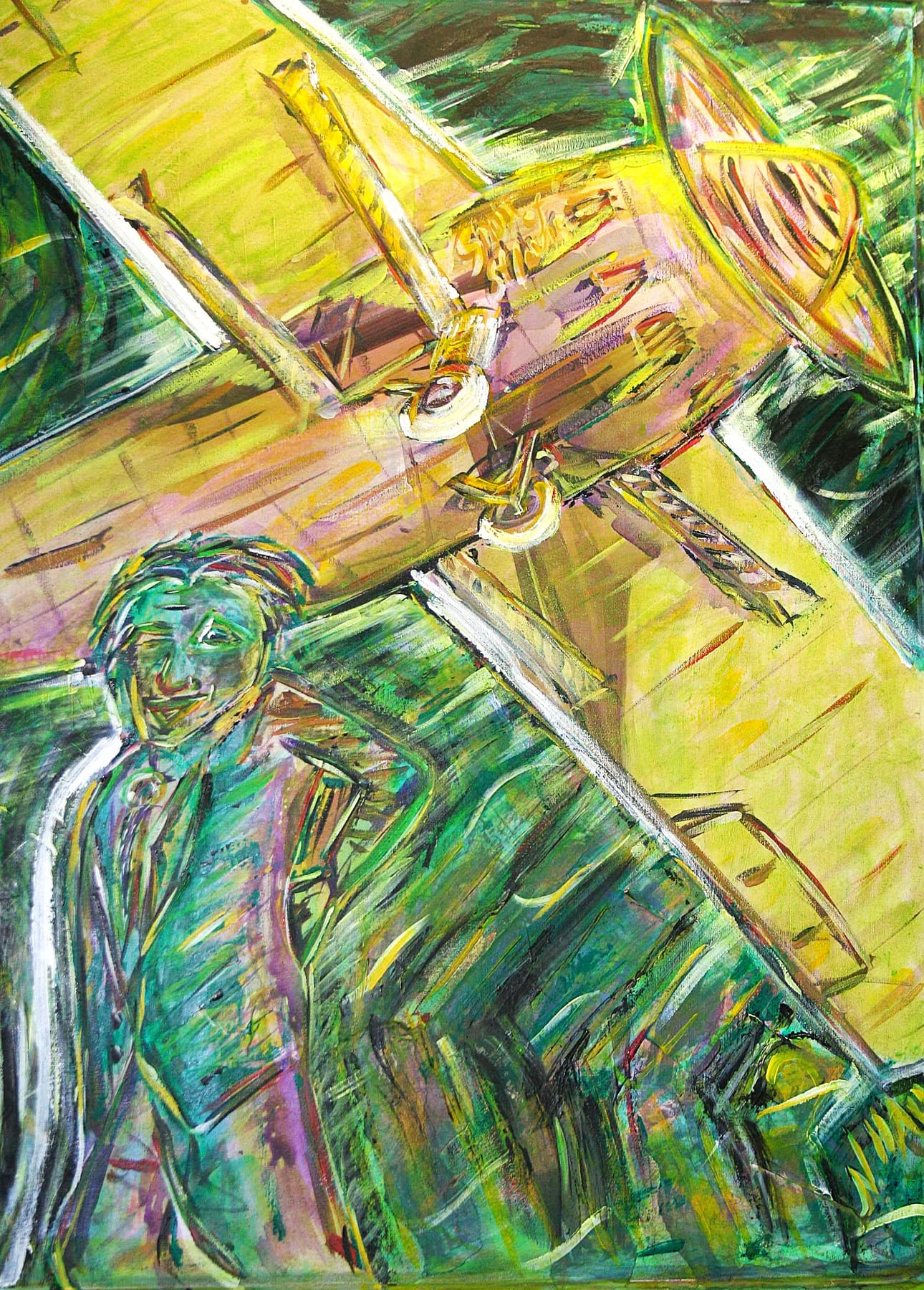
A towering 48-by-25-inch exploration of risk and intuition, Mahoney captures the enigmatic owner of Ryan Airlines who gambled his company on an unknown pilot and a newly hired chief engineer. Executed in 2010 during Nova Hall's foundational mentorship under Leandro Soto, the piece breaks the boundaries of traditional canvas, with frantic, expressive strokes of yellow and viridian bleeding directly onto the recycled frame—a pure manifestation of Arte Povera. Above a stylized, confident portrait of Frank Mahoney, the Spirit of St. Louis banks aggressively, while ghostly, distorted faces churn in the negative space. The artwork visualizes the ultimate poker player's bet: wagering everything on Donald A. Hall Sr.'s uncompromising mathematics and Lindbergh's raw courage.
Nova Hall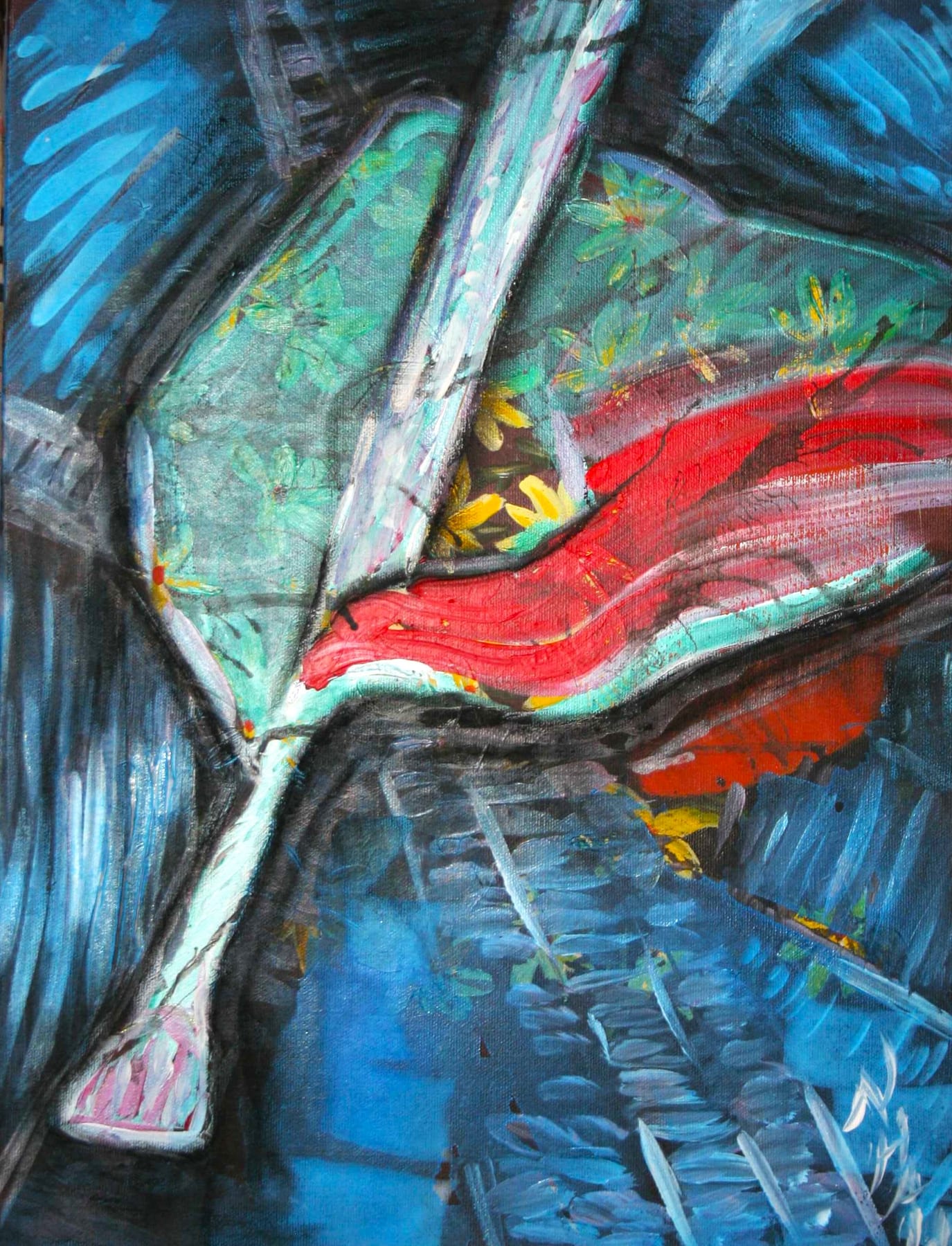
Measuring 16 by 12 inches, Painting Webs is an intensely introspective self-portrait focusing solely on the artist's hand gripping a paintbrush. The composition is a turbulent swirl of deep, bruised blues, vivid emerald greens, and a slashing streak of Chagall-esque crimson that anchors the brush to the canvas. Embedded within the heavy, textured acrylics are subtle archival echoes.
Nova Hall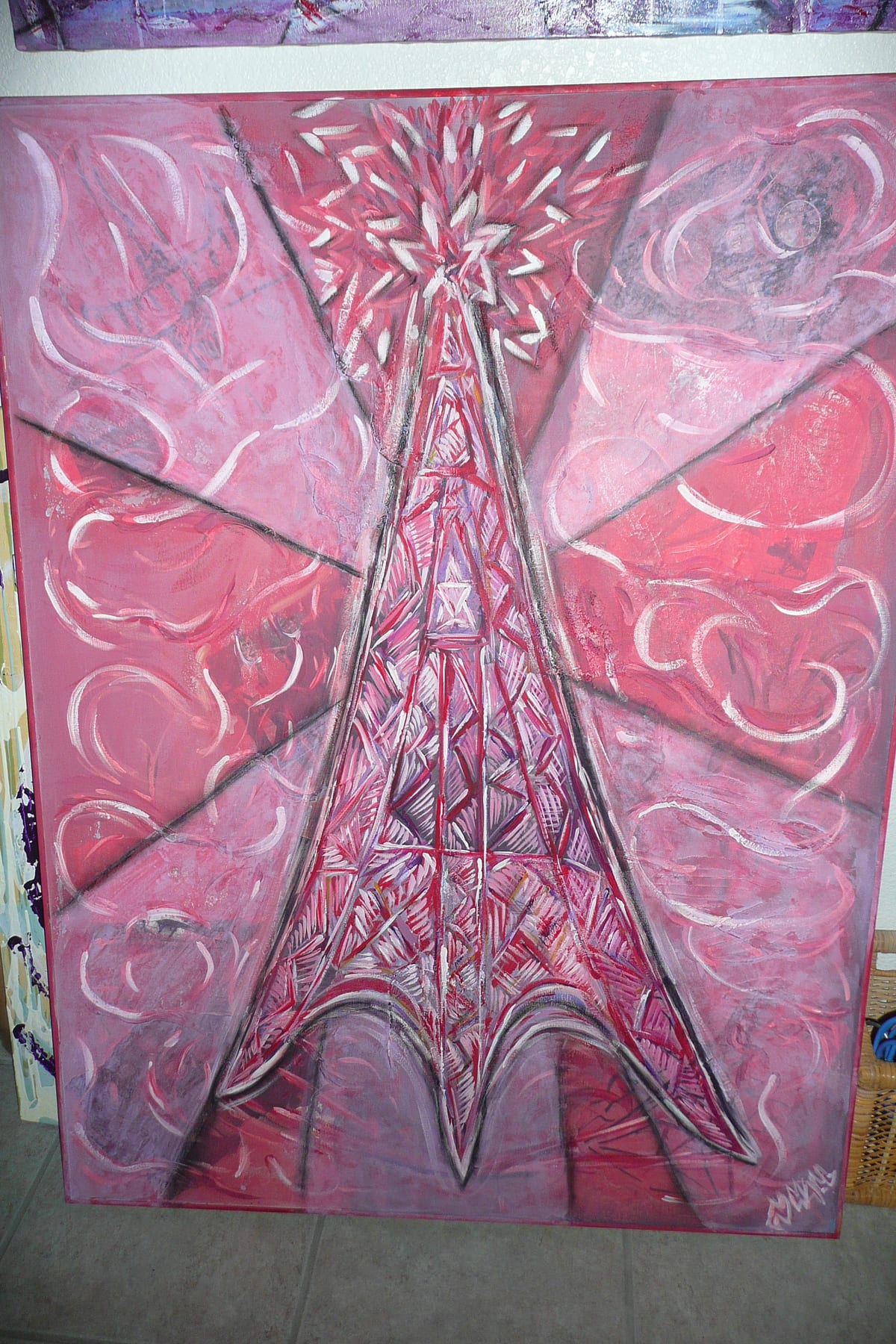
Measuring an imposing 48 by 36 inches, Paris is a heavily layered, archaeological canvas that excavates the final, desperate moments of the 1927 transatlantic flight. At its center stands a geometric, radiating Eiffel Tower, cast in electric pinks and magentas. This is not merely a monument, but the literal radio beacon that pierced the fog to guide an exhausted Lindbergh to Le Bourget at 10 p.m. Painted over multiple pre-existing compositions and spilling onto its industrial metal frame, the piece is a vital early experiment in the Rauschenberg-inspired assemblage taught by Leandro Soto. The turbulent, heavily worked surface acts as a visual static, capturing the blinding relief of the city lights breaking through the darkest, most terrifying night in aviation history.
Nova Hall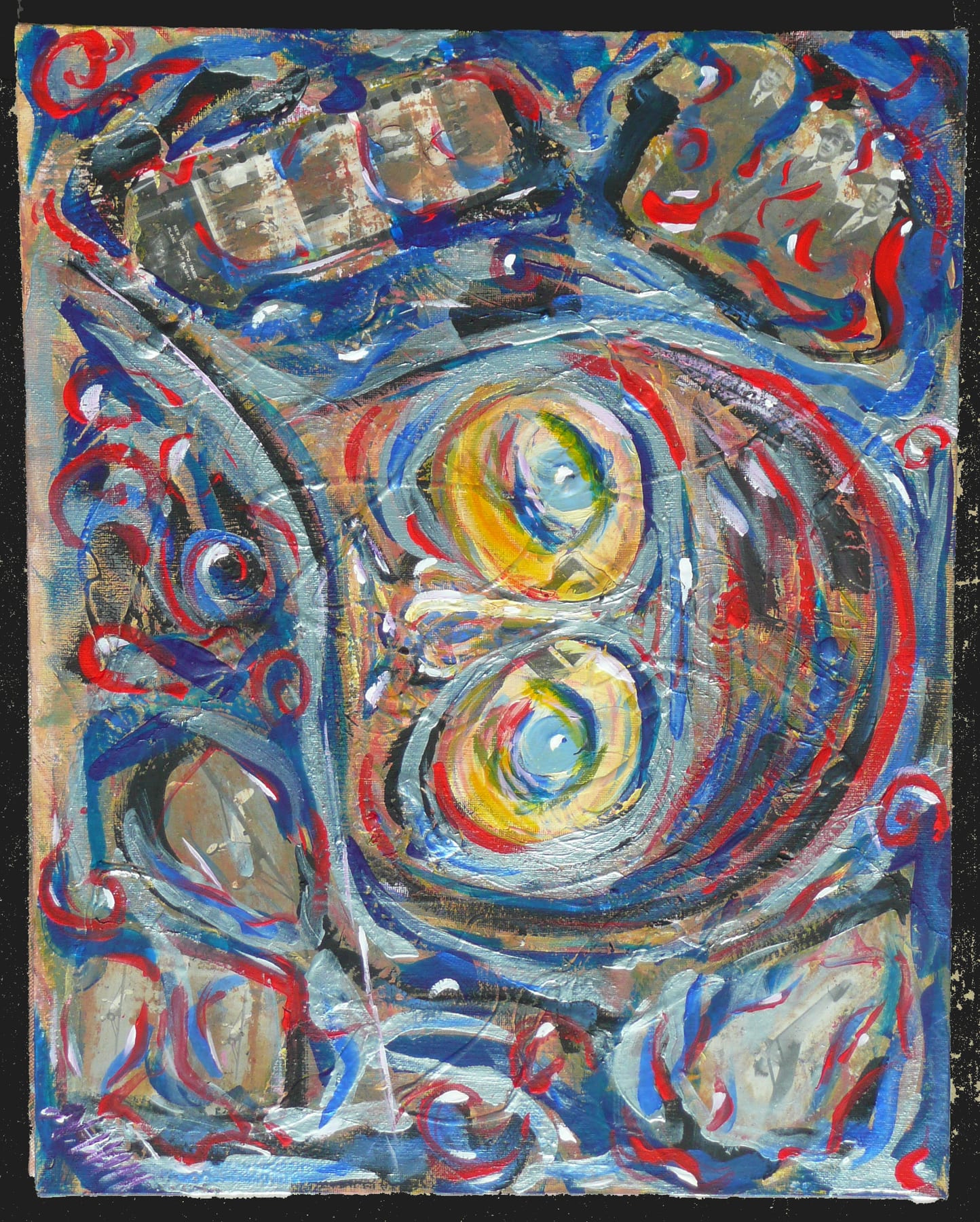
Measuring 20 by 16 inches, Periscope visually dissects one of the most radical, and debated, engineering anomalies of the Spirit of St. Louis. Because Donald A. Hall Sr. placed the 400-gallon fuel tank directly in front of the cockpit to prevent the pilot from being crushed, Lindbergh flew entirely blind, necessitating a custom periscope. Yet, historical consensus suggests Lindbergh rarely used it, preferring to slip the aircraft to see forward. The painting captures this tension, swirling with thick, turbulent eddies of blue, red, and silver acrylic that mimic disrupted airflow. Two stark, yellow-rimmed ocular portals dominate the center, surrounded by embedded 1927 archival photographs from the Donald Hall Estate. The chaotic, layered application—honed under Leandro Soto—transforms a piece of obscure aviation trivia into a profound meditation on blindness, trust, and the desperate mechanics of survival.
Nova Hall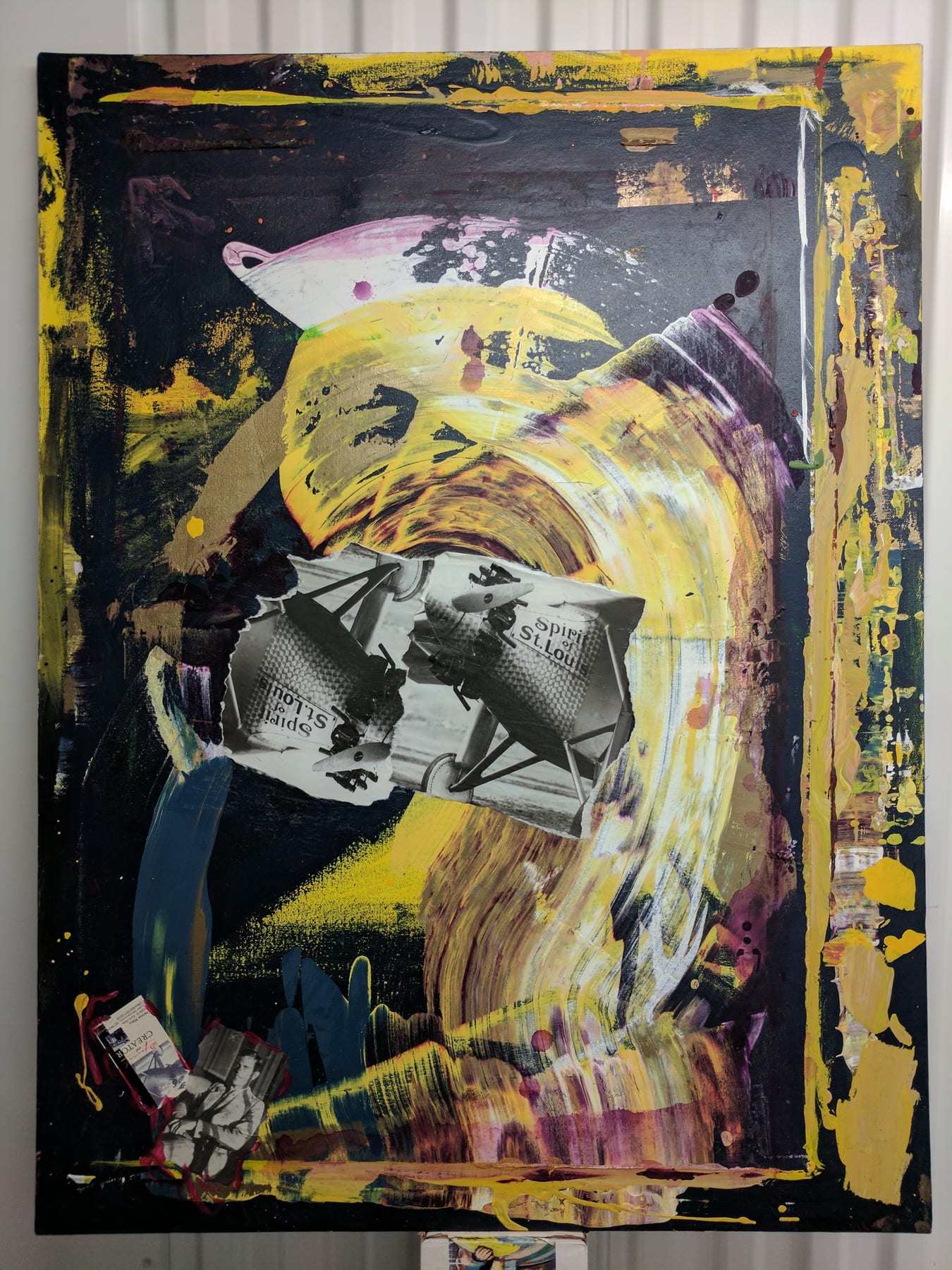
A commanding presence at 36 inches tall, Power is a visceral exploration of mechanical force and historical gravity. The canvas erupts with a sweeping, vortex-like application of golden-yellow and violet acrylic, simulating the deafening roar and invisible thrust of the Wright J-5 Whirlwind engine. At the eye of this painted storm rests a torn, authentic Donald A. Hall Estate photograph of the Spirit of St. Louis, physically anchoring the kinetic energy in reality. Tucked into the lower left corner is a vintage image of Hall himself, acting as the quiet architect of the chaos. Executed in 2010 under the direct supervision of Leandro Soto, the piece embraces Arte Povera’s raw materiality on recycled canvas. Tragically stolen from Sun Studios in Tempe, this foundational work remains a critical, albeit missing, pillar of the Flying Over Time archive.
Nova Hall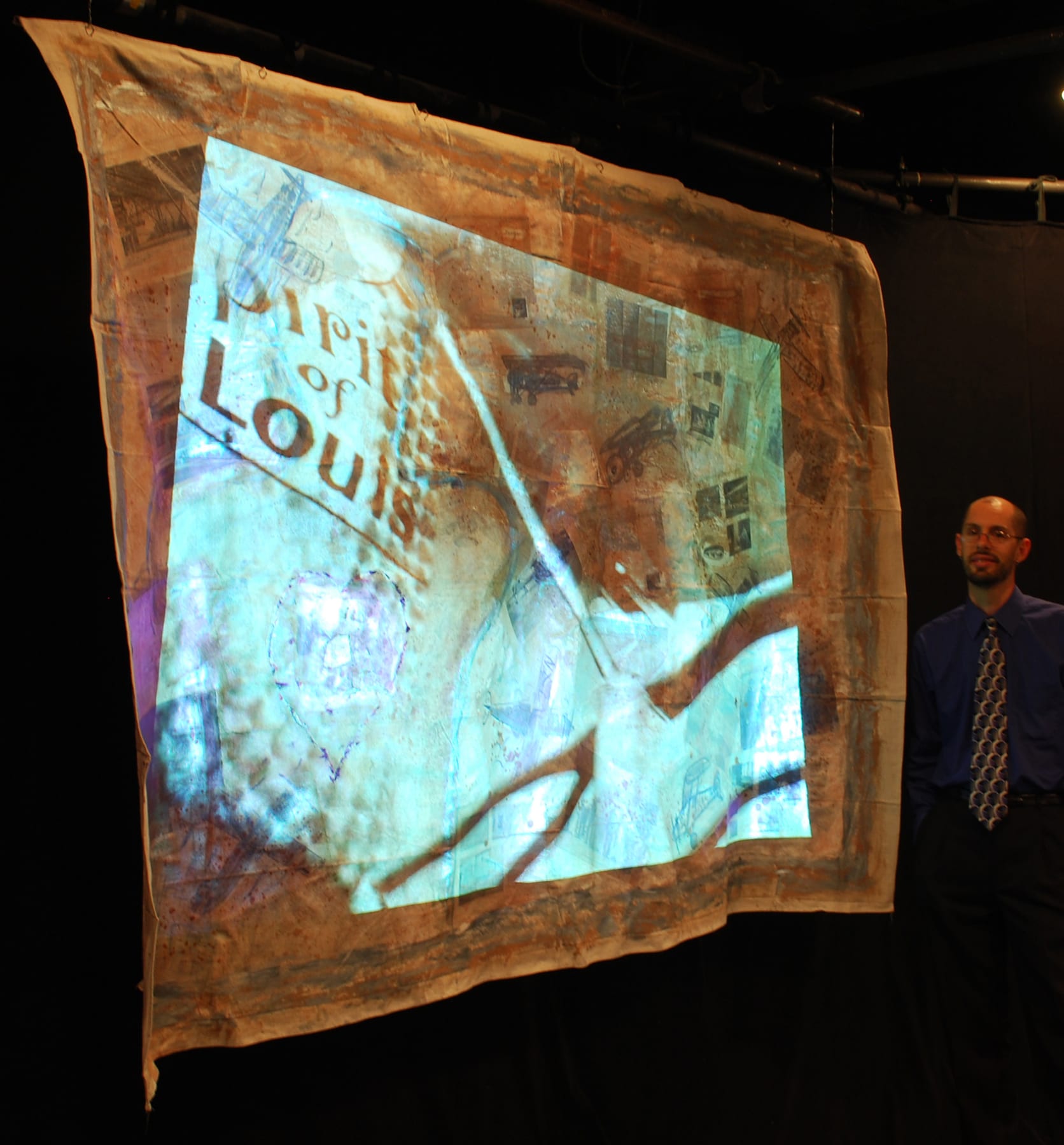
Prototype 3 shatters the two-dimensional plane, representing the ultimate technological evolution of the Robert Rauschenberg assemblage. Acting on the visionary concepts discussed with mentor Leandro Soto, Nova Hall prepared a massive, hanging mixed-media canvas screen—raw, textured, and inherently tied to the Arte Povera movement. Onto this physical substrate, a looping digital projection of over 950 authentic, high-resolution archival images and blueprints from the Donald A. Hall Estate is cast. The resulting collision of physical paint and digital light creates a haunting, four-dimensional ghost of the 1927 Spirit of St. Louis factory floor. A masterstroke of historical preservation through contemporary art, this specific prototype directly inspired the creation of the Flying Over Time 501(c)(3) educational charity.
Nova Hall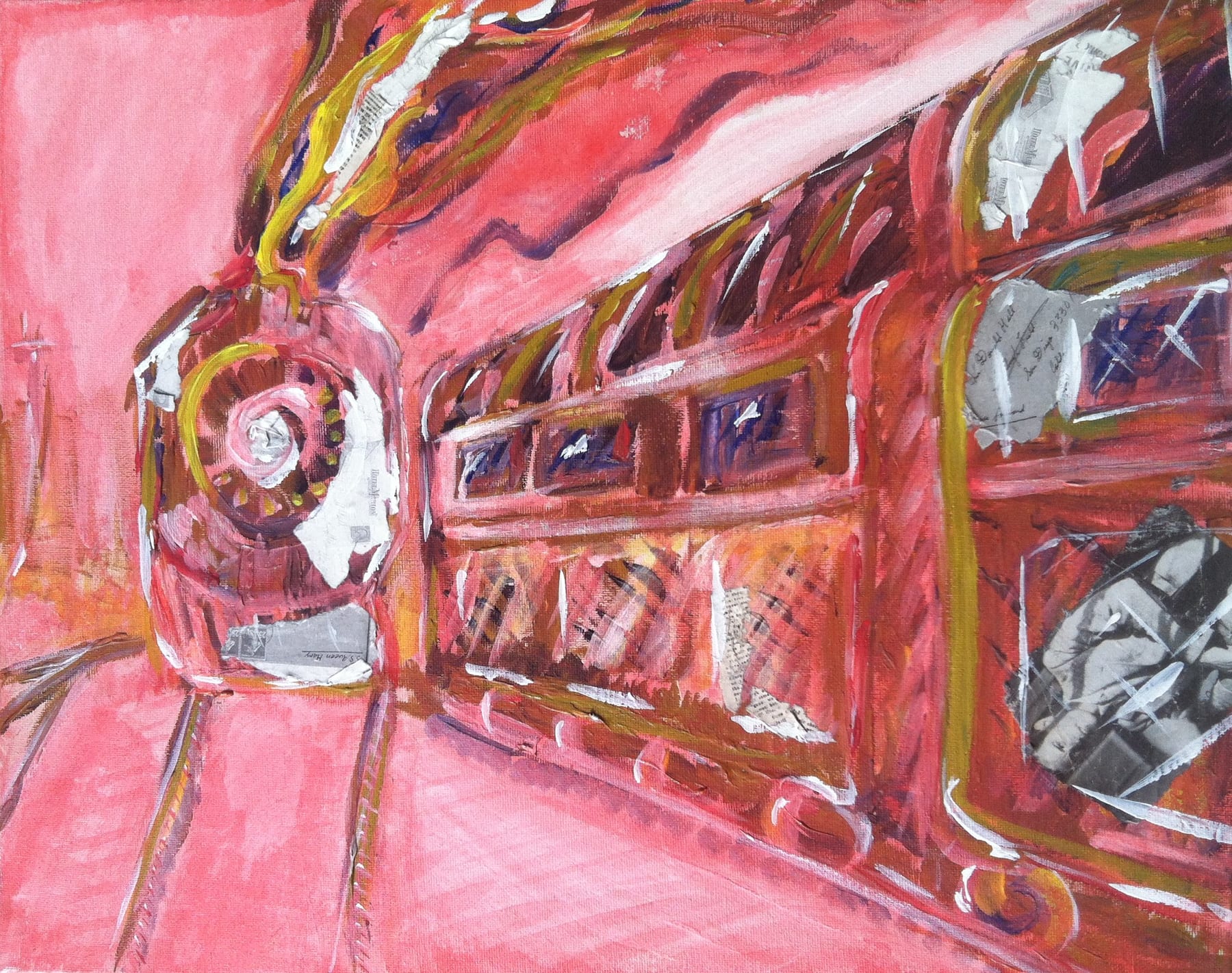
An evolution of the intense perspective studies begun in Broken Wing, Radio Train is a brilliant, kinetic meditation on 1920s technological acceleration. Designed as a dual-orientation piece, the 16-by-20-inch canvas can be hung horizontally to depict a steam locomotive violently cutting through space, or vertically, transforming the composition into a towering radio transmission antenna. Rendered in aggressive strokes of crimson and pink, the painting directly incorporates original paper elements and references a vintage photograph captured by Donald A. Hall Sr. himself. Executed five years after his formal mentorship with Leandro Soto, Nova Hall masterfully controls negative space and Rauschenberg-style assemblage to explore the competing forces of mass transit and mass communication during the birth of the aerospace era.
Nova Hall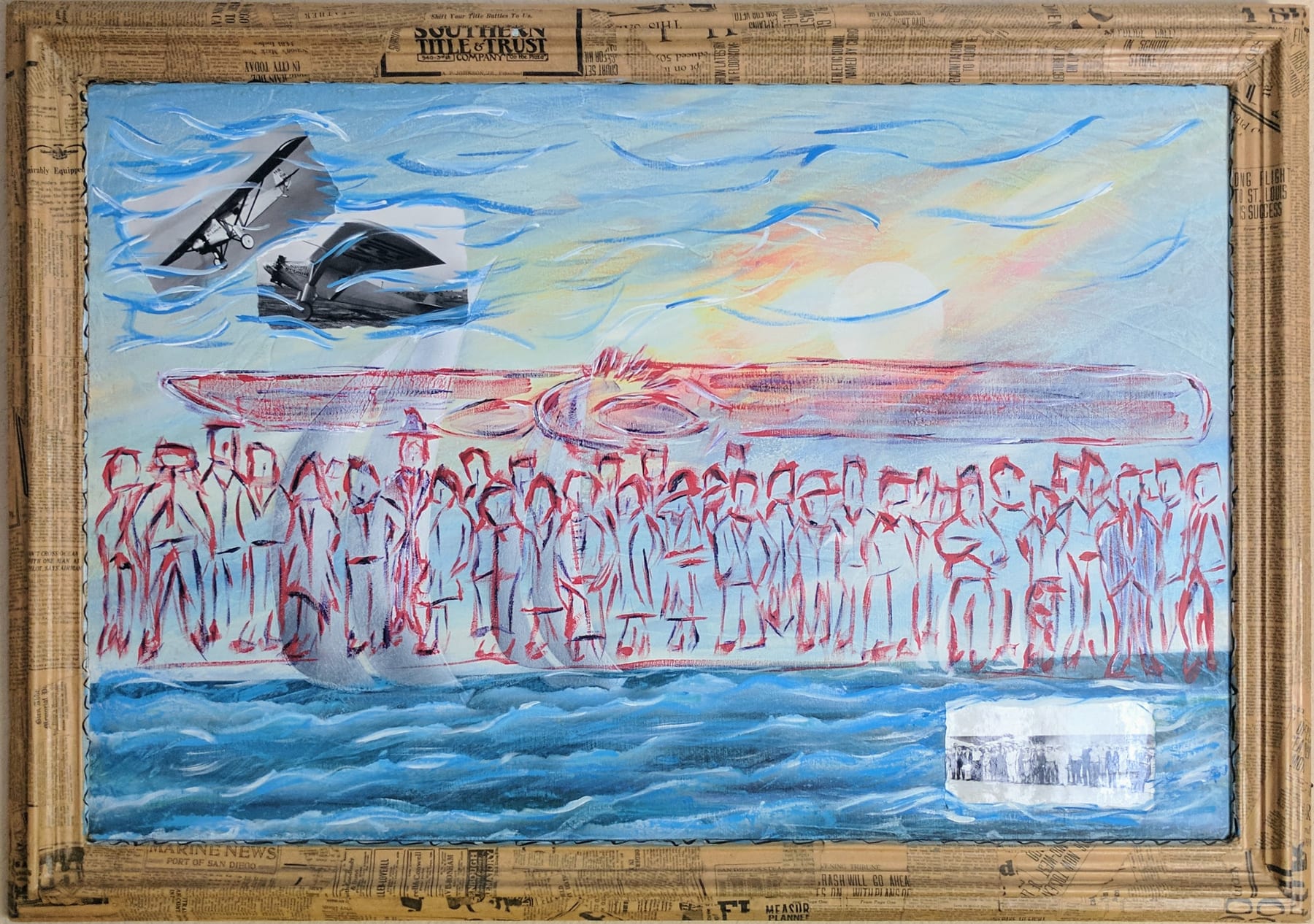
Appraised at over $18,000, San Diego / The Team is a monumental 29-by-41-inch tribute to the invisible hands that built history. The canvas features the ghostly, red-outlined silhouettes of the Ryan Airlines crew standing shoulder-to-shoulder before the Spirit of St. Louis, set against a vibrant, sweeping Californian sky and the deep blues of the Pacific. Hovering above the team are authentic, decoupage photographs from the Donald A. Hall Estate. The masterpiece’s defining feature is its custom frame, entirely constructed from original 1927 newspaper clippings hand-selected by Donald Hall Sr. and recovered from his steamer trunk. Only the text detailing the flight’s narrative is left readable, a masterful application of Arte Povera and Rauschenberg assemblage that physically borders the art with the very history it depicts.
Nova HallResearch, permissions, and image requests
Donna Segura, Media Director · media@oleanderpr.com