The Estate
Donald A. Hall Estate Collection
The Donald A. Hall Estate Collection contains the definitive, original 1927 engineering blueprints, technical notes, and historical photographic negatives documenting the design and construction of the Spirit of St. Louis (Ryan NYP).
Explore the Estate Collection
948 images from the family-held record. Search captions and descriptions, and open any image to view it in full.
948 images
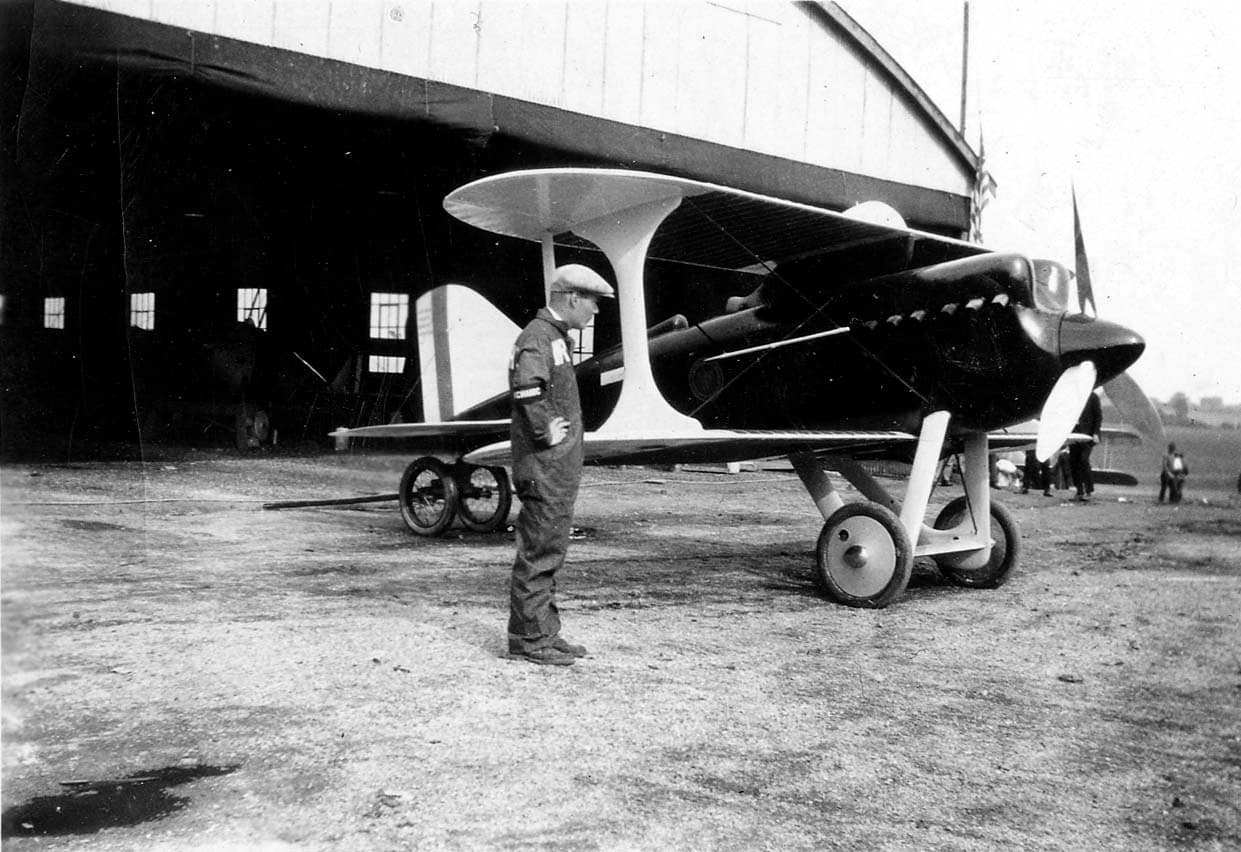
Preserved in the Donald A. Hall Estate Collection from his early career at Curtiss Aeroplane and Motor Company, this photograph captures the historic Curtiss R2C-1 racing biplane outside an airfield hangar. Powered by a 500-horsepower Curtiss D-12A engine and featuring streamlined single I-struts, wing-skin surface radiators, and a metal Curtiss-Reed propeller, the R2C-1 won the 1923 Pulitzer Trophy and set a world airspeed record of 266.6 mph.
Donald A. Hall Estate Collection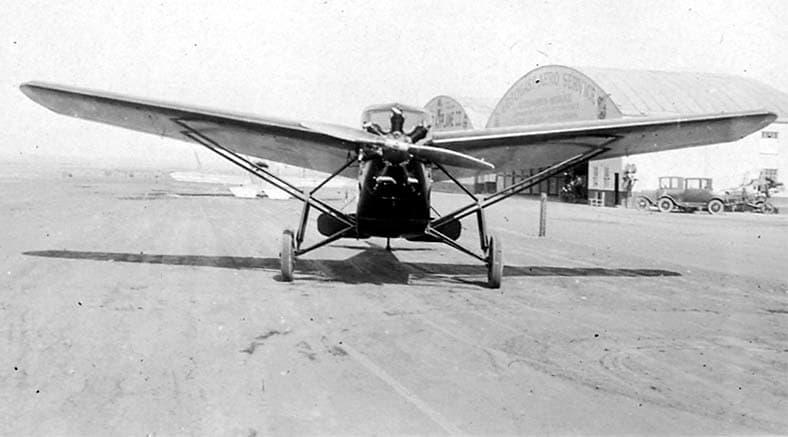
Captured on the ramp at Daugherty Field in Long Beach, California, Donald A. Hall Sr. documented this frontal view of a 1927 Stinson SM-1 Detroiter six-place cabin monoplane. Powered by a 220-horsepower Wright J-5 Whirlwind radial engine, the aircraft rests outside the arched hangars of Arbogast Aero Service and Belmont Airplane Co. As Chief Engineer of Ryan Airlines, Hall studied the Detroiter's wide-track landing gear, where the vertical shock struts attached directly to the wing struts to maximize ground stability.
Donald A. Hall Estate Collection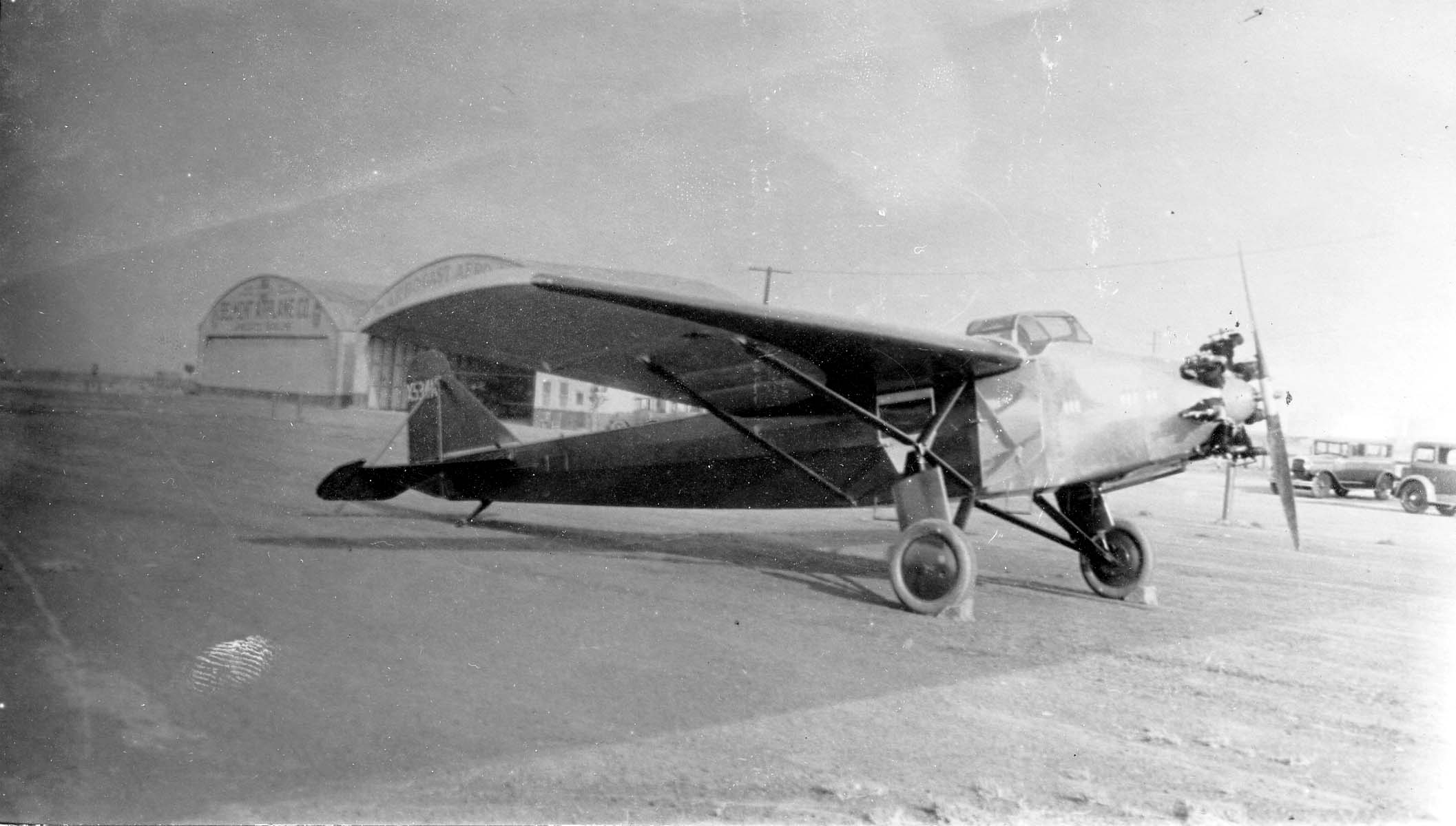
Documenting the rapid evolution of enclosed commercial airliners in 1927, Donald A. Hall Sr. photographed this three-quarter profile of a Stinson SM-1 Detroiter at Long Beach Municipal Airport. The high-wing monoplane features a fully enclosed passenger cabin, steel-tube wing struts, and a Standard Steel ground-adjustable propeller driven by a Wright J-5 Whirlwind engine. Hall analyzed these contemporary cabin layouts while engineering the Ryan B-1 Brougham in San Diego.
Donald A. Hall Estate Collection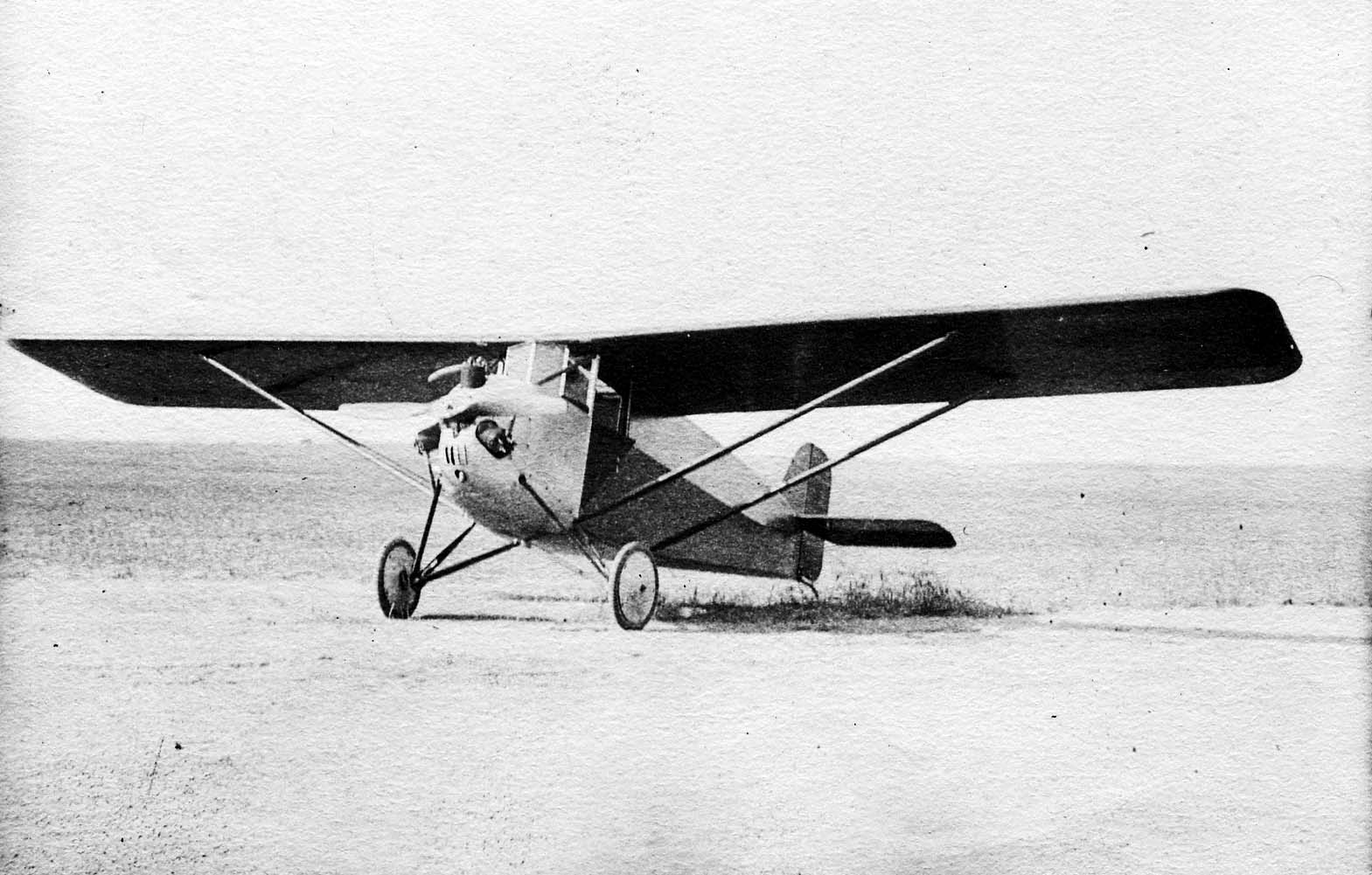
Demonstrating his analytical interest in low-power aerodynamic efficiency, Donald A. Hall Sr. preserved this frontal view of the 1924 Driggs-Johnson DJ-1 Bumblebee. Designed by aeronautical engineer Ivan H. Driggs and powered by a 28-horsepower Henderson four-cylinder motorcycle engine, the ultra-light semi-parasol monoplane featured a high-aspect-ratio USA 45 airfoil and an enclosed bubble cockpit, winning multiple lightplane events at the 1924 National Air Races in Dayton, Ohio.
Donald A. Hall Estate Collection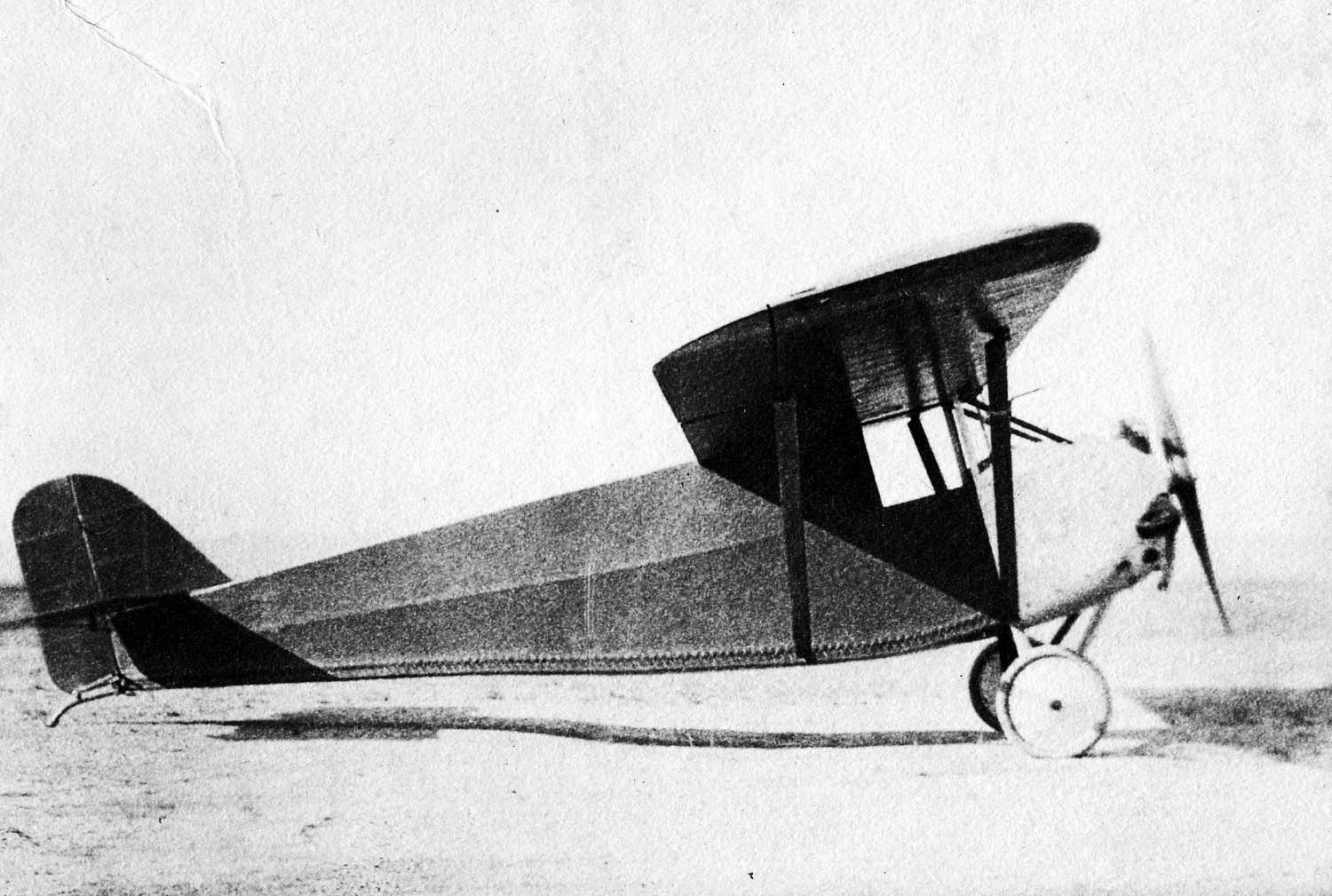
A clean profile study of the 1924 Driggs-Johnson DJ-1 Bumblebee, highlighting its streamlined, slab-sided fuselage tapering to a sharp knife-edge tail. The photograph details the pioneering enclosed celluloid cockpit canopy and wire-spoke wheels with disc covers. Hall preserved these technical reference images to study structural minimalism and induced-drag reduction across single-seat sporting airframes.
Donald A. Hall Estate Collection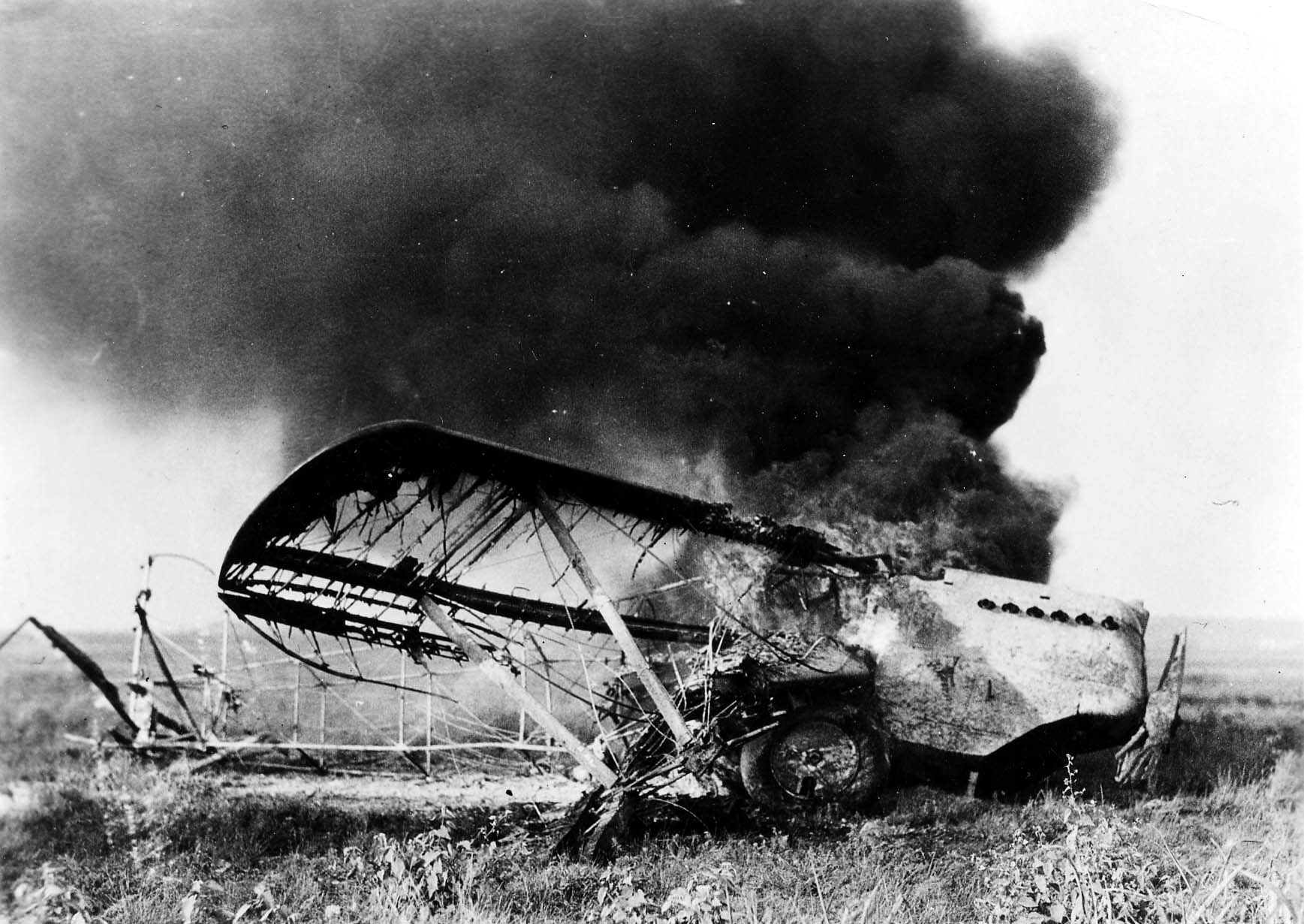
Donald A. Hall Sr. recorded the harsh operational hazards of Golden Age aviation in this dramatic study of a crashed biplane consumed by fire. Thick black smoke billows from the wreckage as flames destroy the doped-fabric wing surfaces, exposing wooden truss ribs and the inverted V-engine block. Analyzing post-impact fires led Hall to engineer the Ryan NYP Spirit of St. Louis with its massive fuel cell fully isolated from pilot electrical conduits.
Donald A. Hall Estate Collection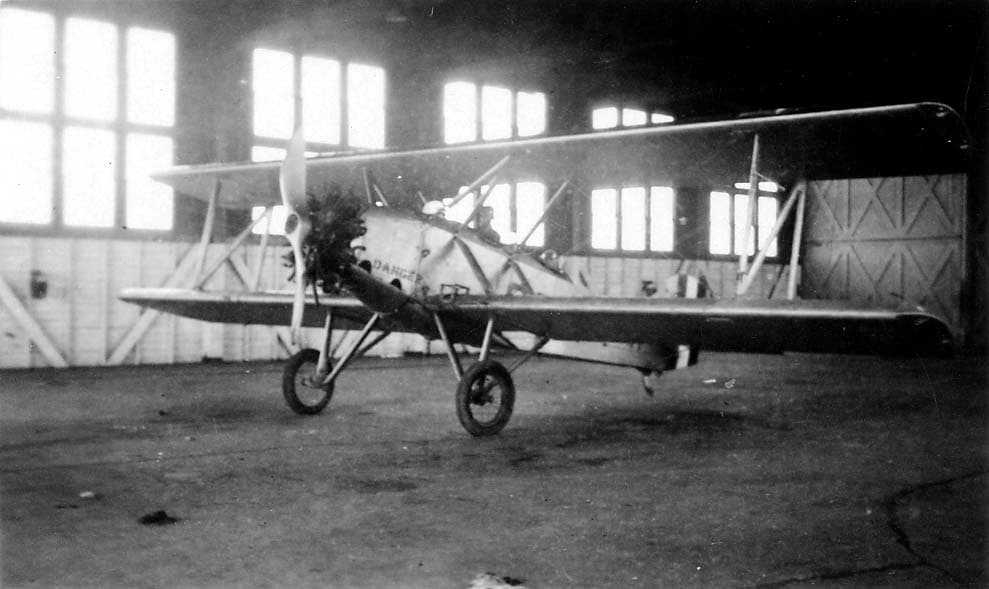
Documenting early airfield industrial safety standards, Donald A. Hall Sr. photographed this open-cockpit biplane resting inside a hangar with a prominent DANGER warning stenciled along the nose cowling. Painted directly adjacent to the propeller arc, the marking alerted ground crews and flight mechanics to stay clear of the spinning wooden blades, reflecting the era's evolving ground-safety protocols.
Donald A. Hall Estate Collection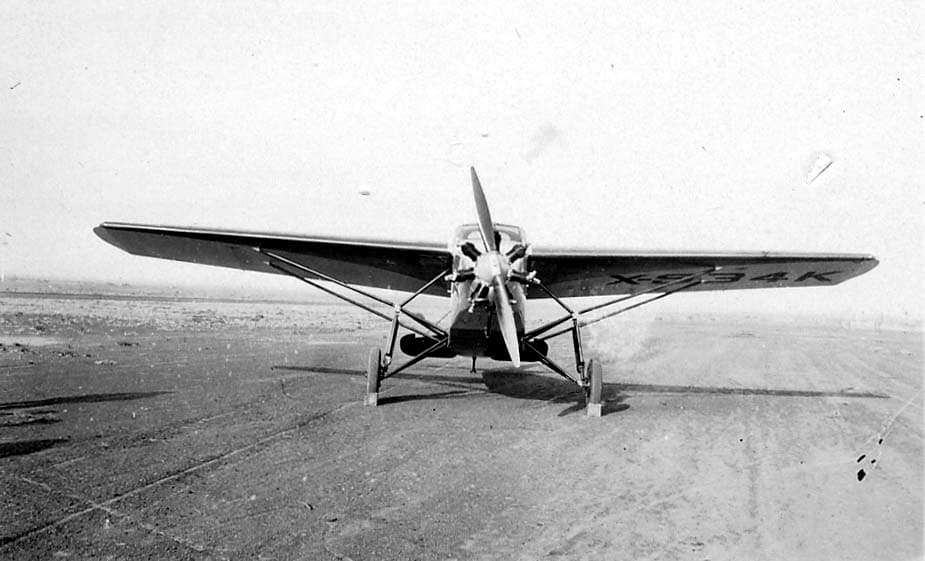
An experimental high-wing cabin monoplane sits positioned on an airfield runway during an engine run-up, showing an uncowled radial engine fitted with a Hamilton Standard metal propeller. With experimental Department of Commerce registration lettering visible along the wing undersurface, Donald A. Hall Sr. recorded this aircraft during the intense period of commercial prototyping leading to the boom in American cabin monoplanes.
Donald A. Hall Estate Collection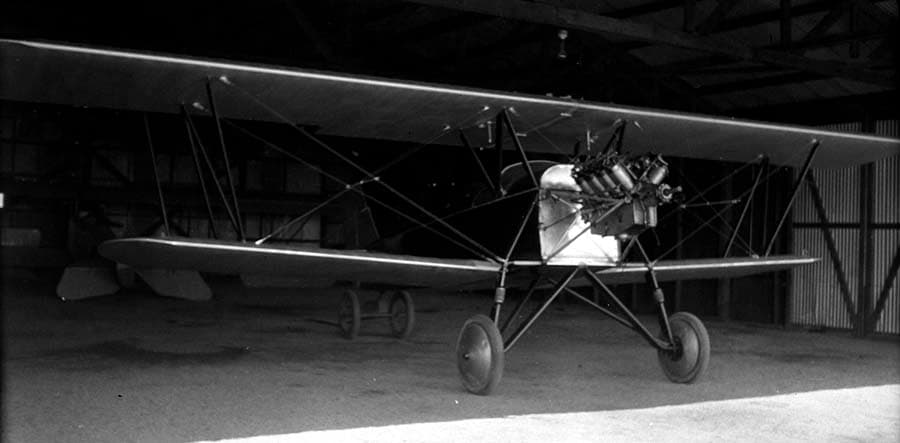
Donald A. Hall Sr. focused his lens on the exposed mechanics of a water-cooled Wright-Hispano V-8 engine mounted to an open-cockpit biplane inside a corrugated hangar. Showing bare cylinder blocks, overhead camshaft valve gear, and the frontal radiator assembly, this negative captures the legendary Hisso powerplants that Hall and Ryan Airlines utilized to power early Ryan M-1 mailplanes and Standard J-1 passenger conversions.
Donald A. Hall Estate Collection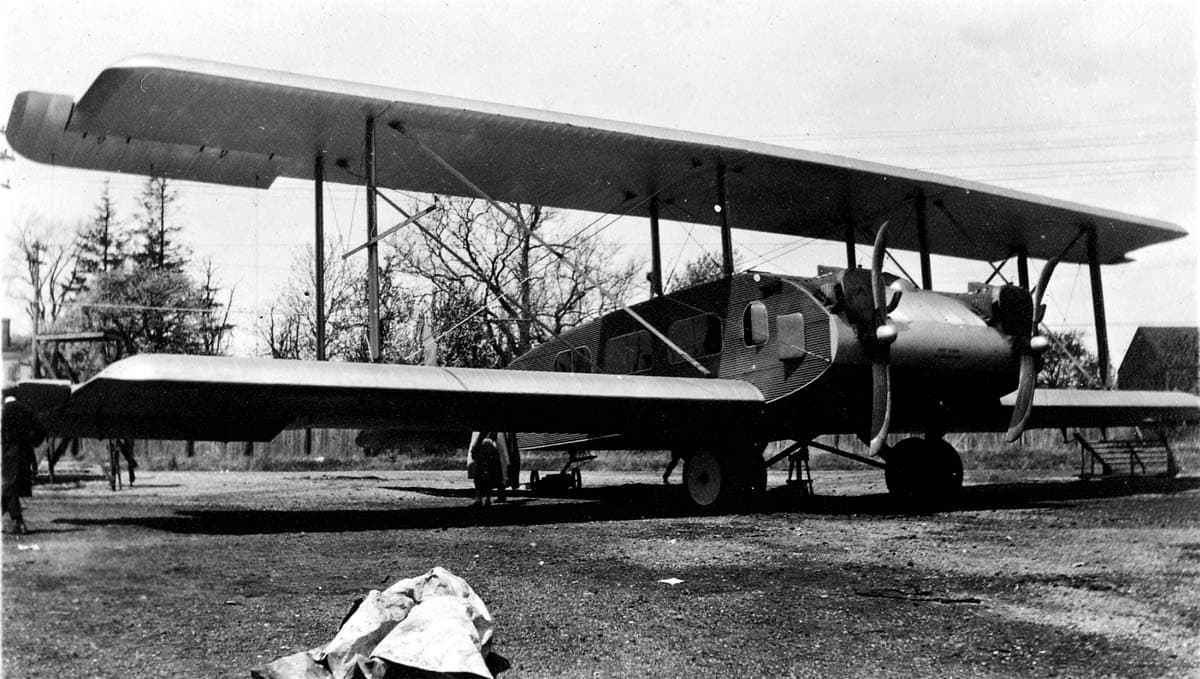
A standout historical treasure from the estate collection, this negative documents Vincent Burnelli's revolutionary 1924–1925 Remington-Burnelli RB-2 airliner. Constructed entirely of corrugated duralumin skin, the wide airfoil-shaped fuselage generated structural lift while housing a spacious passenger cabin and cargo hold. Powered by twin 500-horsepower Galloway Atlantic engines, the RB-2 represented a radical technological leap that Hall studied during his tenure pioneering all-metal construction at Ford and Stout.
Donald A. Hall Estate Collection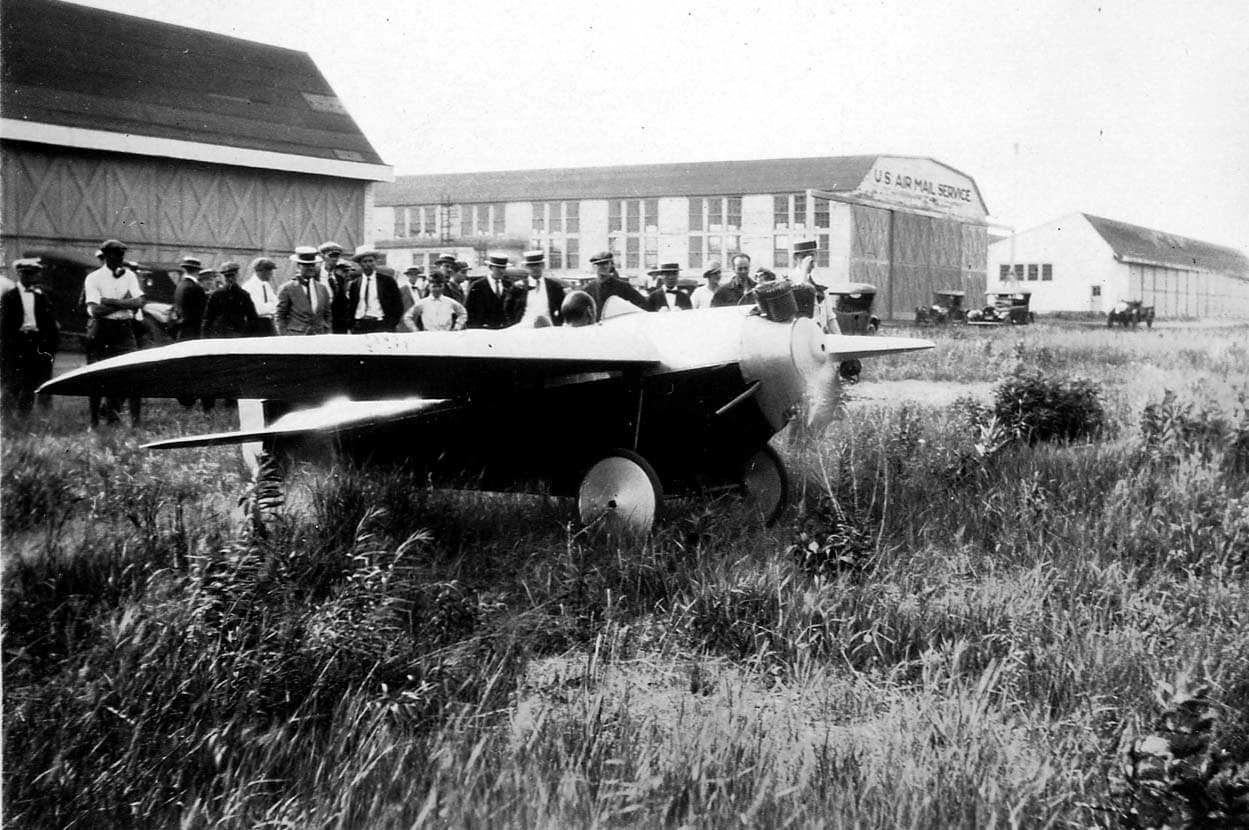
Resting in tall grass outside an active U.S. Air Mail Service municipal hangar, a tiny low-wing monoplane racer powered by a two-cylinder opposed engine attracts a crowd of spectators in summer suits and boater hats. Preserved by Donald A. Hall Sr. from National Air Race competitions, the negative captures the transitional era when government airmail infrastructure served as the epicenter for competitive aeronautical trials and private lightplane experimentation.
Donald A. Hall Estate Collection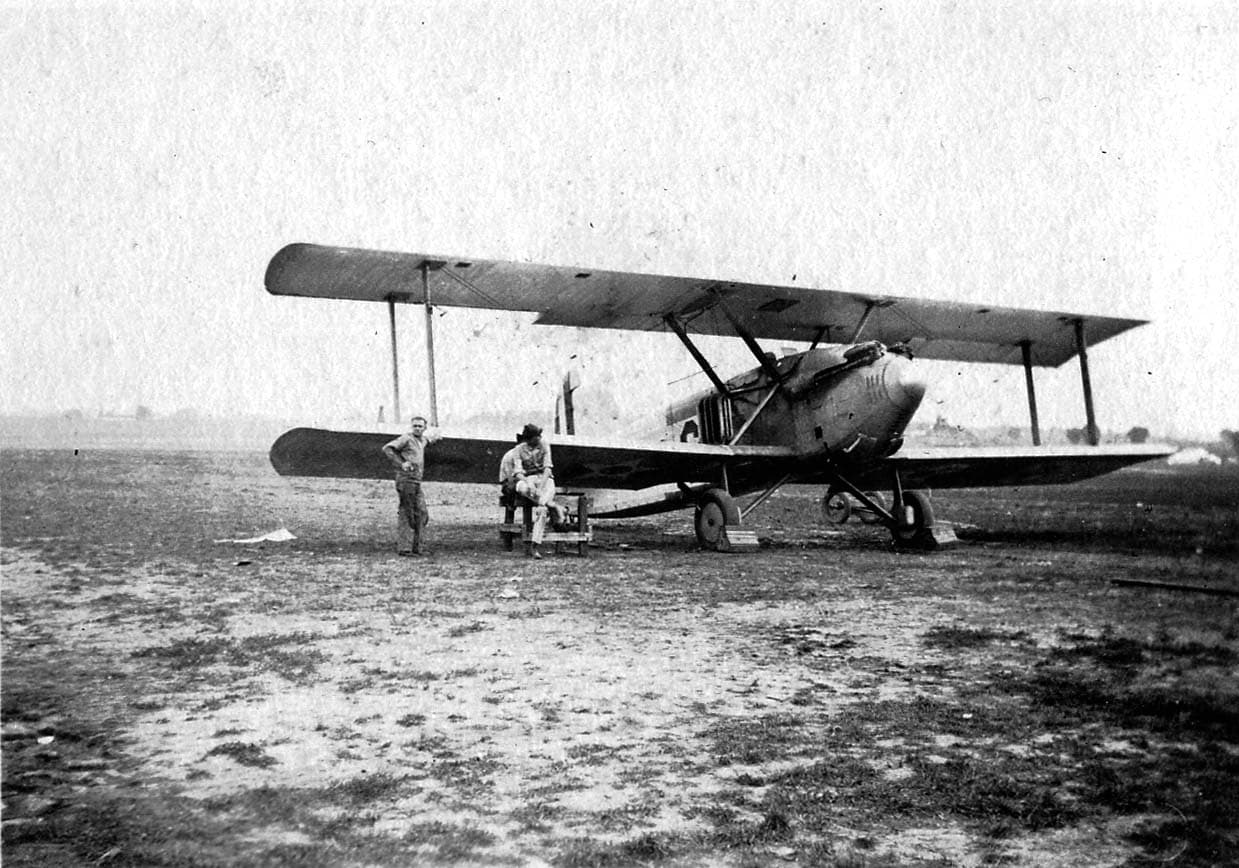
Documenting the military pursuit evaluations that shaped early high-speed fighter design, Donald A. Hall Sr. photographed this experimental pursuit biplane resting on a grass airfield. Featuring an oversized pointed nose spinner, a 435-horsepower liquid-cooled Curtiss D-12 V-12 engine, and a chin tunnel radiator, this airframe represents the Boeing Model 15 (XPW-9) or Curtiss XPW-8 evaluated during the 1923 Army Air Service pursuit trials at McCook Field. Two ground crew mechanics lounge beside a field tool chest beneath the lower wing, illustrating the daily maintenance environment Hall studied while analyzing fighter performance.
Donald A. Hall Estate Collection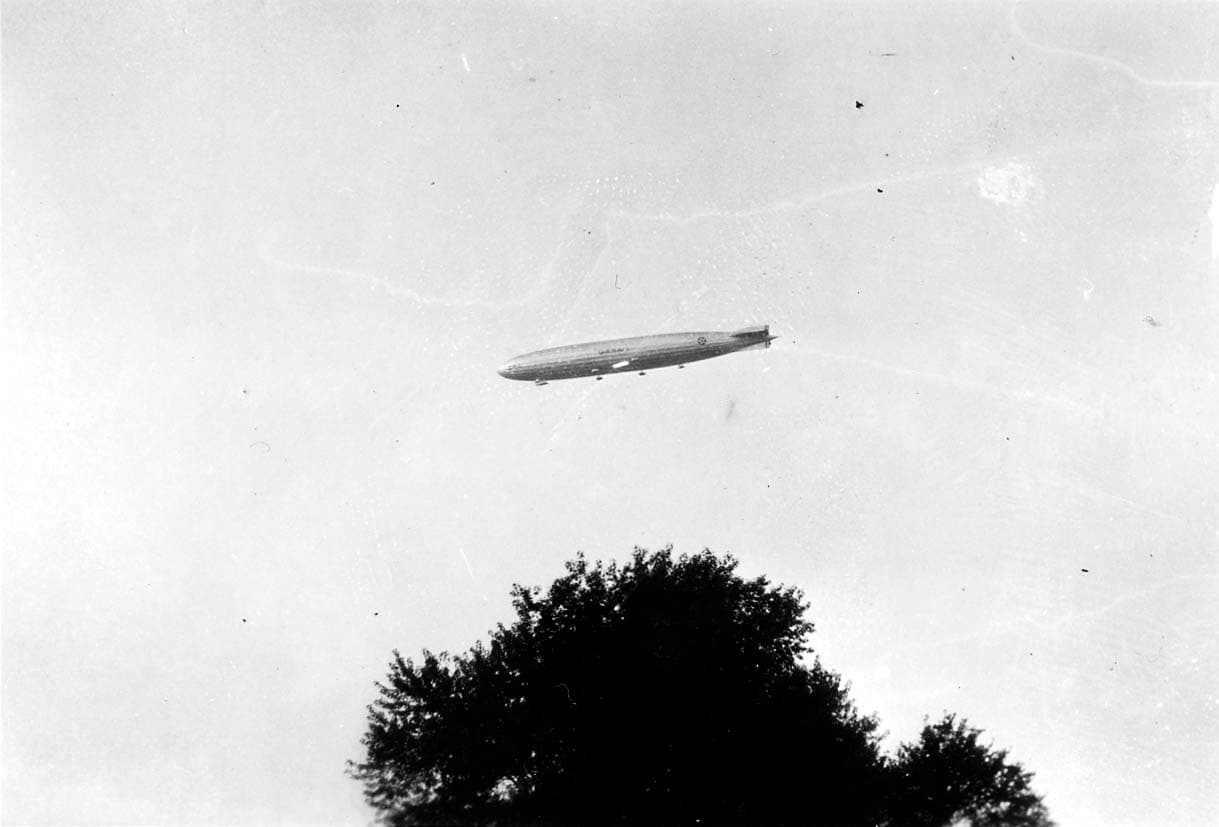
Donald A. Hall Sr. documented early lighter-than-air military aeronautics with this atmospheric photograph of the U.S. Army non-rigid dirigible TC-2 cruising in calm skies above a silhouette of tree branches. Built by Goodyear for the Army Air Service, the TC-2 measured 196 feet in length with a volume of over 200,000 cubic feet. Because the airship was destroyed in an accidental ordnance detonation in October 1924, this negative firmly anchors Hall's documentation to his early 1923–1924 research period.
Donald A. Hall Estate Collection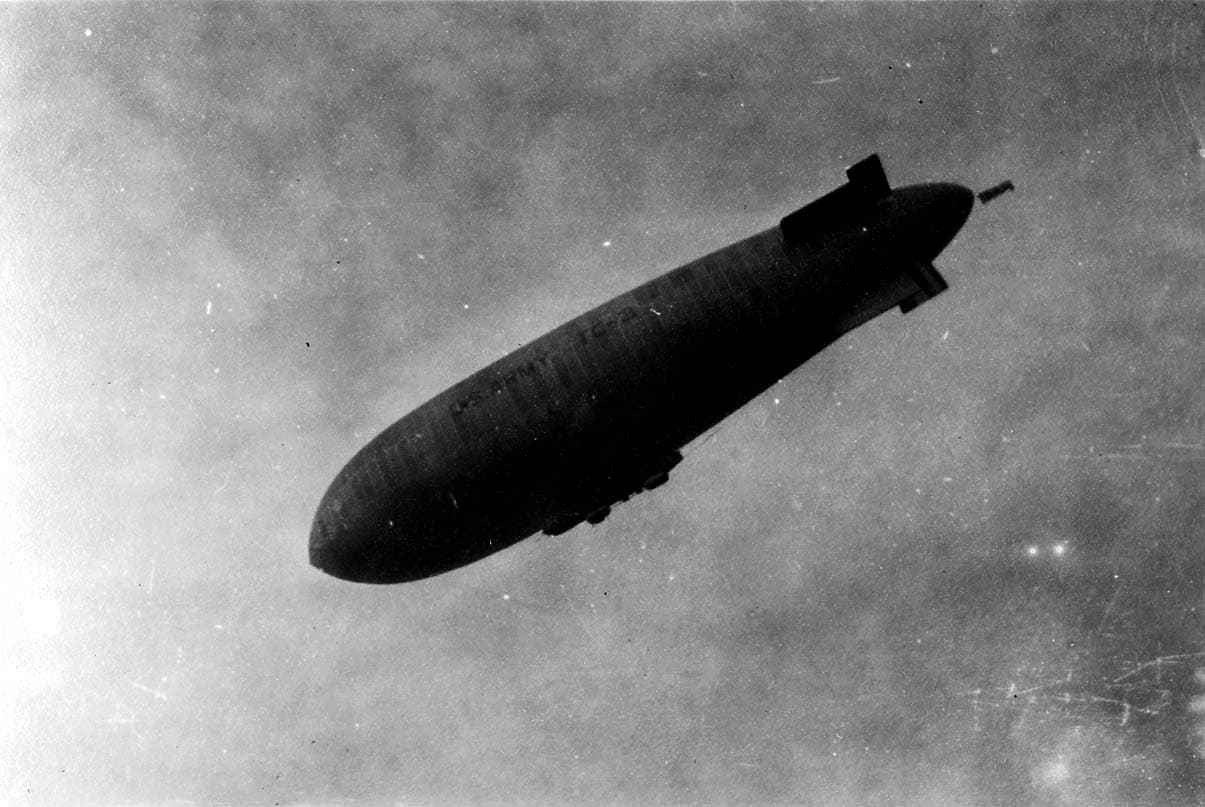
A detailed low-angle flight study of the U.S. Army Air Service non-rigid airship TC-2 captured in sharp focus against an overcast sky. The photograph clearly reveals the suspended crew car, pusher propeller installations, cruciform control fins, and bold U.S. ARMY TC-2 lettering along the rubberized fabric envelope. As a structural engineer, Donald A. Hall Sr. studied aerostat displacement, envelope tension, and empennage aerodynamic control surfaces alongside his fixed-wing drafting work.
Donald A. Hall Estate Collection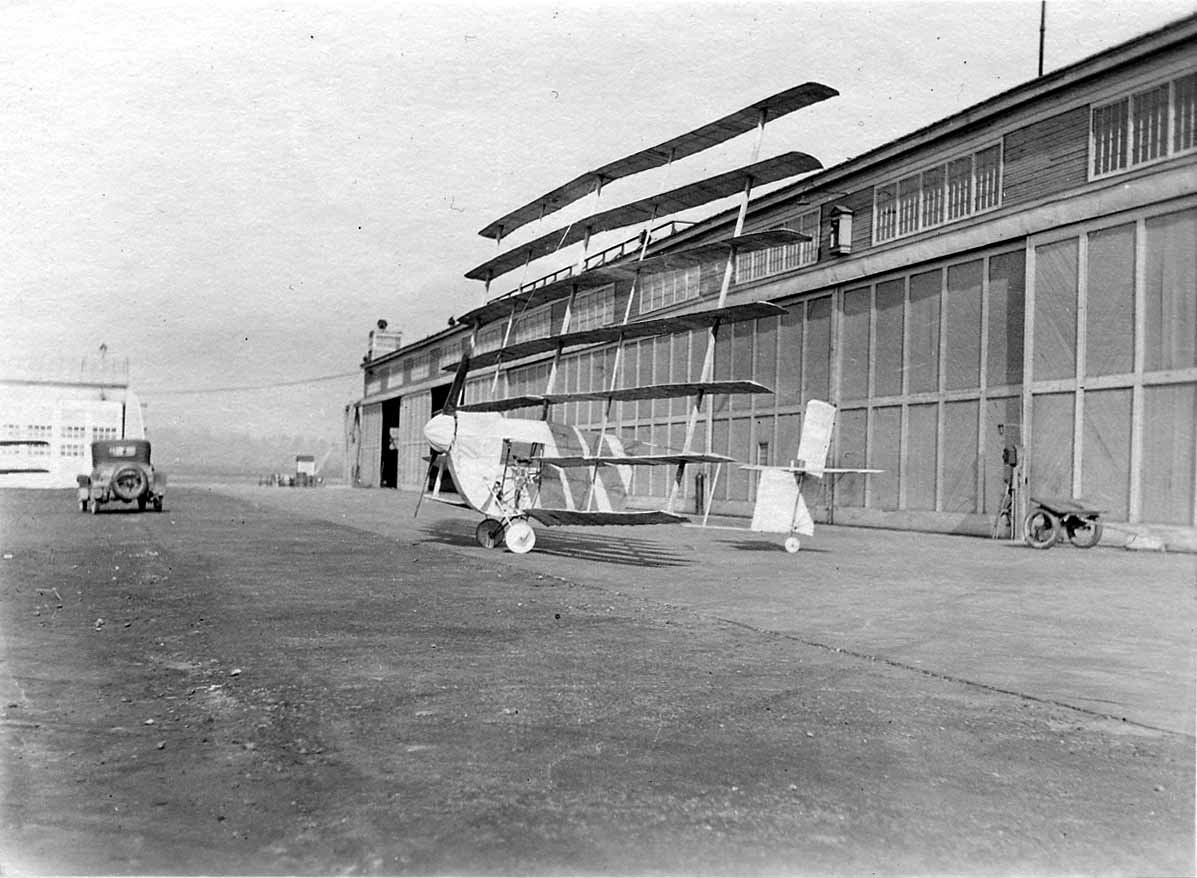
One of the most remarkable experimental artifacts in the collection, this photograph documents the 1923 Gerhardt Cycleplane parked on the ramp outside the engineering hangars at McCook Field in Dayton, Ohio. Designed by Dr. William Frederick Gerhardt, this human-powered aircraft featured seven ultra-light wings stacked vertically like venetian blinds, a fabric-covered pilot nacelle, bicycle pedals, and a high-mounted wooden propeller. Donald A. Hall Sr. preserved this rare view of early multiplane boundary-layer experimentation during his surveys of military flight-testing centers.
Donald A. Hall Estate Collection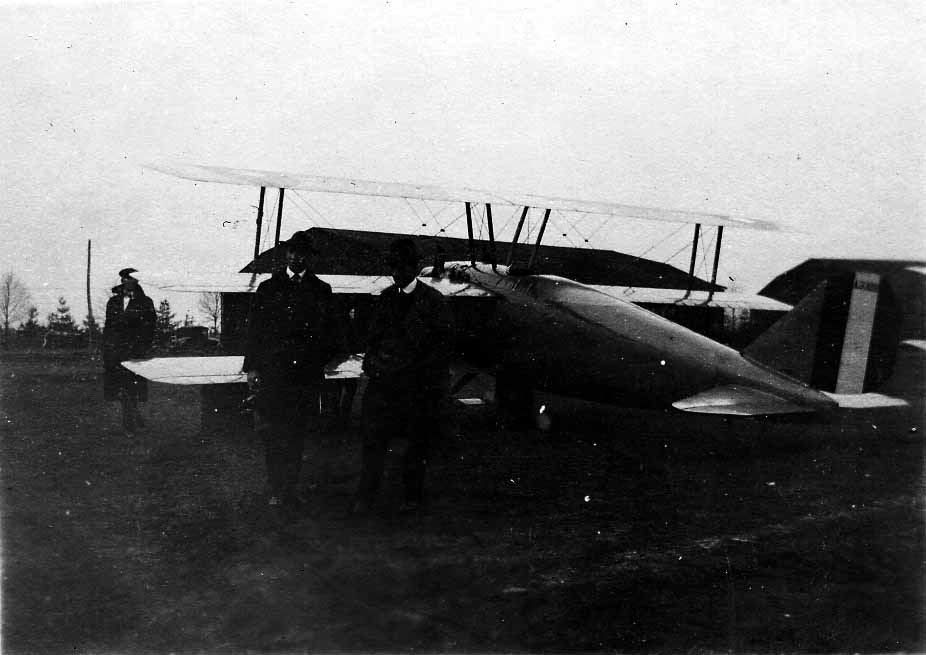
Reflecting the professional attire and culture of Golden Age aeronautical engineering, two men in tailored wool overcoats and fedoras stand on a dirt airfield before a sleek biplane. The aircraft features an aerodynamically faired fuselage, single-bay wing bracing, and a vertical tricolor red, white, and blue rudder, highlighting the military experimental types Donald A. Hall Sr. documented while working across East Coast and Midwest aviation plants.
Donald A. Hall Estate Collection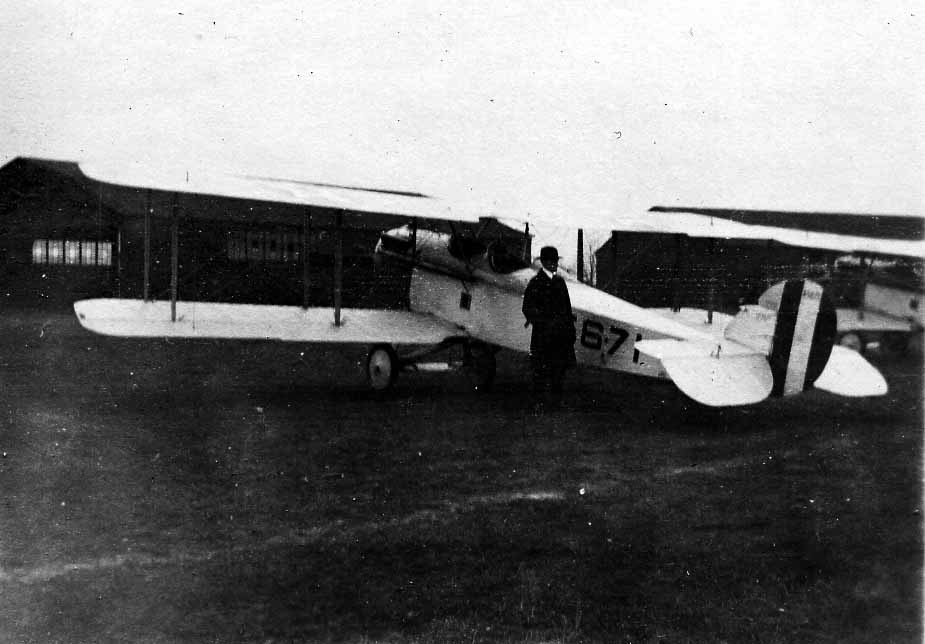
Donald A. Hall Sr. photographed this two-bay military biplane trainer resting on a grass airfield beside an open hangar. Sporting U.S. military rudder stripes and fuselage identification number 671, the aircraft stands with a gentleman in a dark three-piece suit and bowler hat alongside the cockpit. The negative preserves early military pilot training infrastructure, featuring wooden interplane struts, external control cables, and a liquid-cooled engine installation.
Donald A. Hall Estate Collection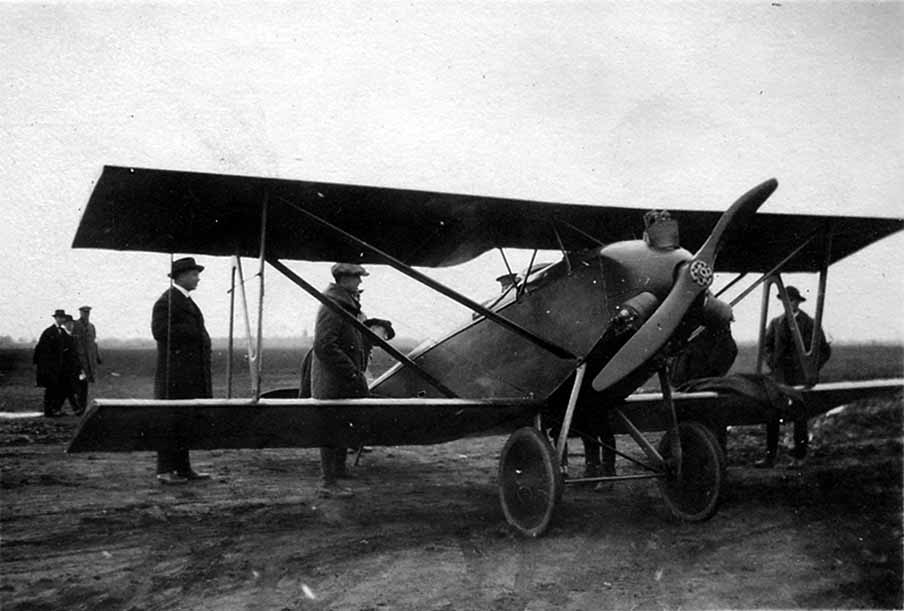
A group of civilian and military observers in three-piece suits, flat caps, and overcoats gather around a compact, high-performance single-seat racing biplane on an unpaved landing field. Featuring a low-drag wooden monocoque fuselage, tight nose cowling, two-blade wooden propeller, and wire-spoke wheels with disc covers, the aircraft exemplifies the intense air-racing designs Donald A. Hall Sr. studied following his aerodynamic research at Curtiss.
Donald A. Hall Estate Collection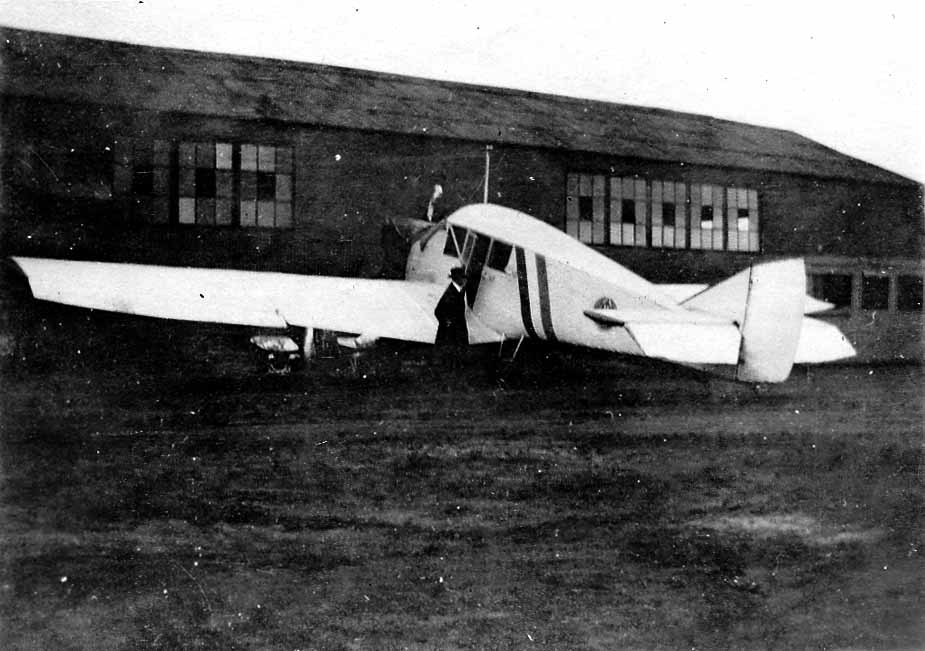
Documenting the rapid rise of enclosed passenger air travel, Donald A. Hall Sr. photographed this high-wing cabin monoplane resting on the apron outside a brick aviation manufacturing hangar. Featuring an enclosed multi-window passenger compartment and vertical fuselage stripes, the aircraft reflects the commercial cabin monoplane boom that Hall spearheaded when designing the Ryan B-1 Brougham in San Diego.
Donald A. Hall Estate Collection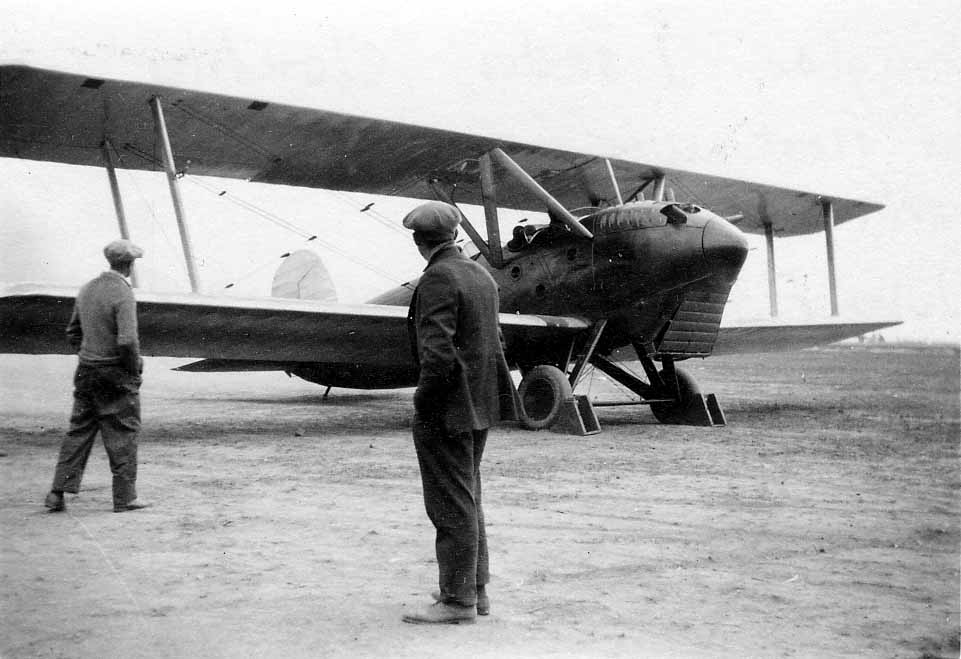
A detailed technical perspective of the Boeing Model 15 (XPW-9) pursuit prototype at McCook Field, captured from the front three-quarter angle. Donald A. Hall Sr. framed the aircraft to highlight its massive pointed aerodynamic propeller spinner, Curtiss D-12 liquid-cooled engine with upper cowl exhaust stubs, underslung tunnel radiator with face shutters, and heavy wooden safety chocks. Hall analyzed these exact drag-reduction and cooling innovations before applying high-efficiency aerodynamic cowlings to the Ryan NYP Spirit of St. Louis.
Donald A. Hall Estate Collection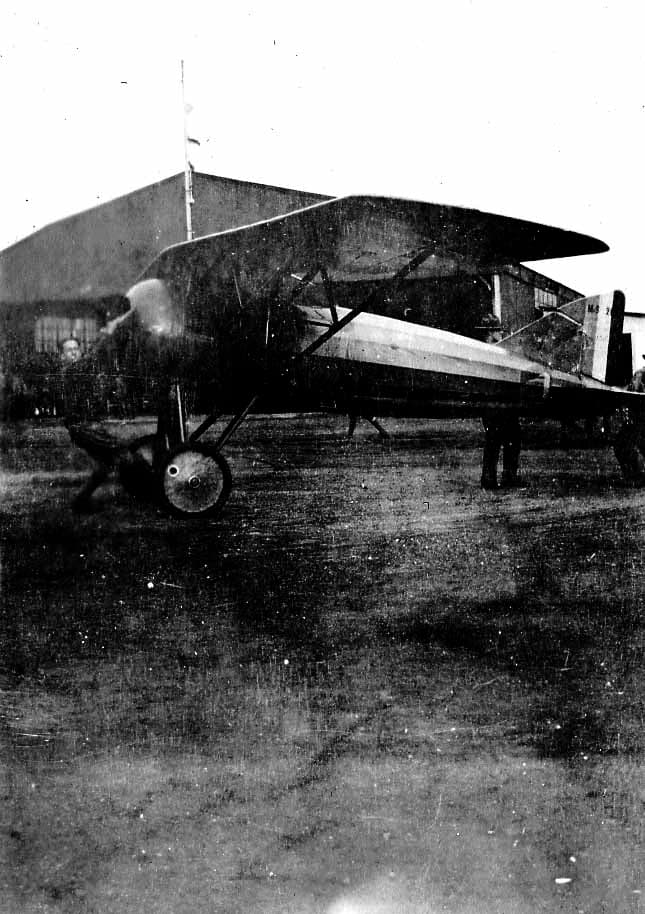
Capturing the physical reality of starting rotary and radial engines in the 1920s, Donald A. Hall Sr. photographed a mechanic swinging the wooden propeller of a French-built Morane-Saulnier MoS-30 parasol monoplane. Purchased by the American Expeditionary Force and evaluated at McCook Field, the aircraft features sweptback parasol wings, heavy landing gear struts, and distinctive M-S tail markings with military rudder stripes, while an Army officer in a military campaign hat observes from behind the wing.
Donald A. Hall Estate Collection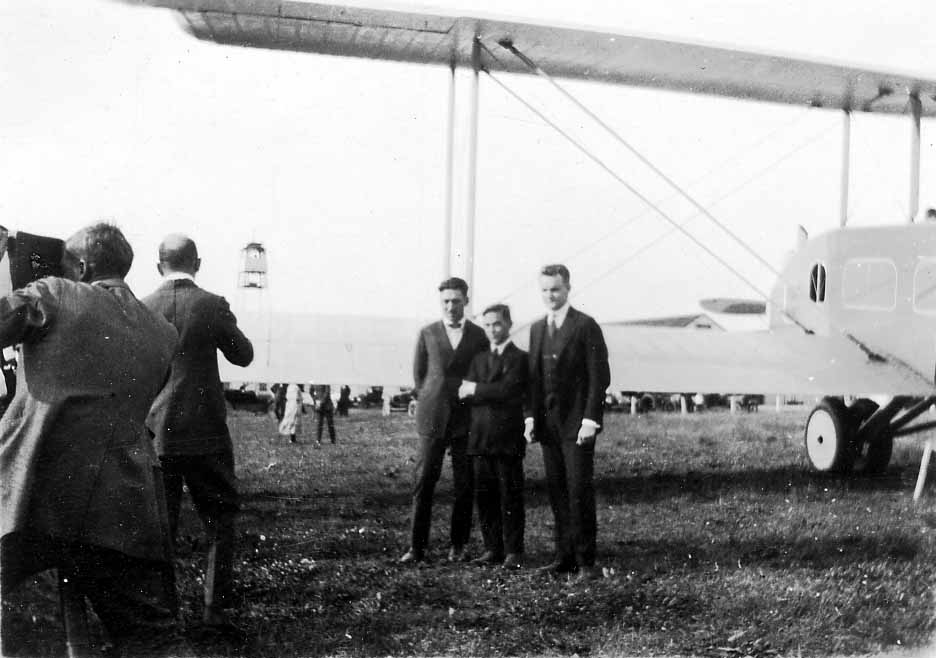
A compelling behind-the-scenes record of 1920s aviation media coverage, Donald A. Hall Sr. photographed a press photographer with a large-format camera capturing three executives standing before the Remington-Burnelli RB-2 lifting-body airliner. The image highlights the massive corrugated duralumin fuselage, distinctive vertical oval cabin windows, and lower wing structure of Vincent Burnelli's revolutionary transport, reflecting the public relations spectacles that accompanied radical aeronautical breakthroughs.
Donald A. Hall Estate Collection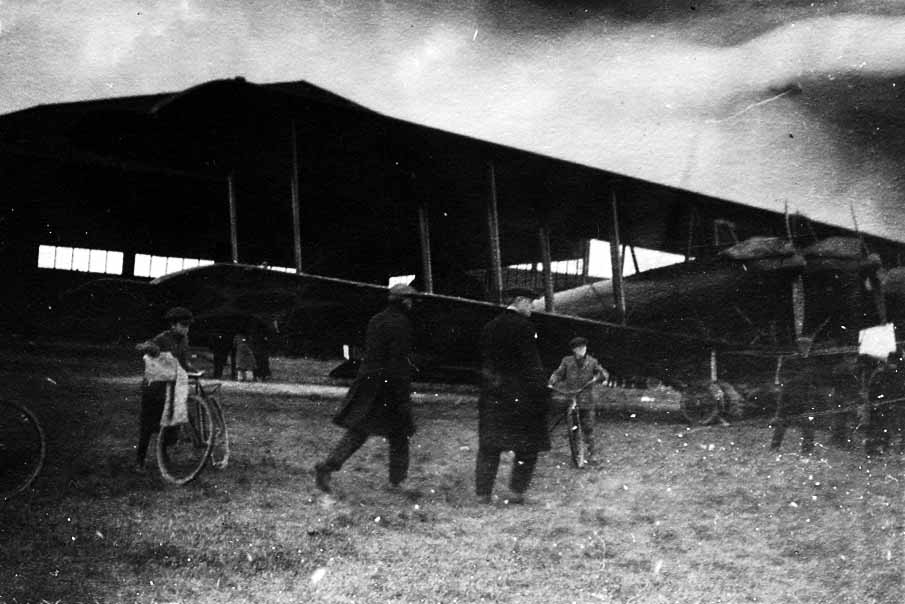
Documenting the massive scale of experimental multi-engine military aircraft, Donald A. Hall Sr. photographed the LWF Model H Owl biplane parked outside a sprawling hangar. Designed as a night mailplane and evaluated by the U.S. Army Air Service as a heavy bomber, the aircraft was powered by three 400-horsepower Liberty L-12 engines mounted in a central fuselage and twin tailbooms. Two boys with bicycles and onlookers in the foreground emphasize the mammoth proportions of the 106-foot four-bay wings.
Donald A. Hall Estate Collection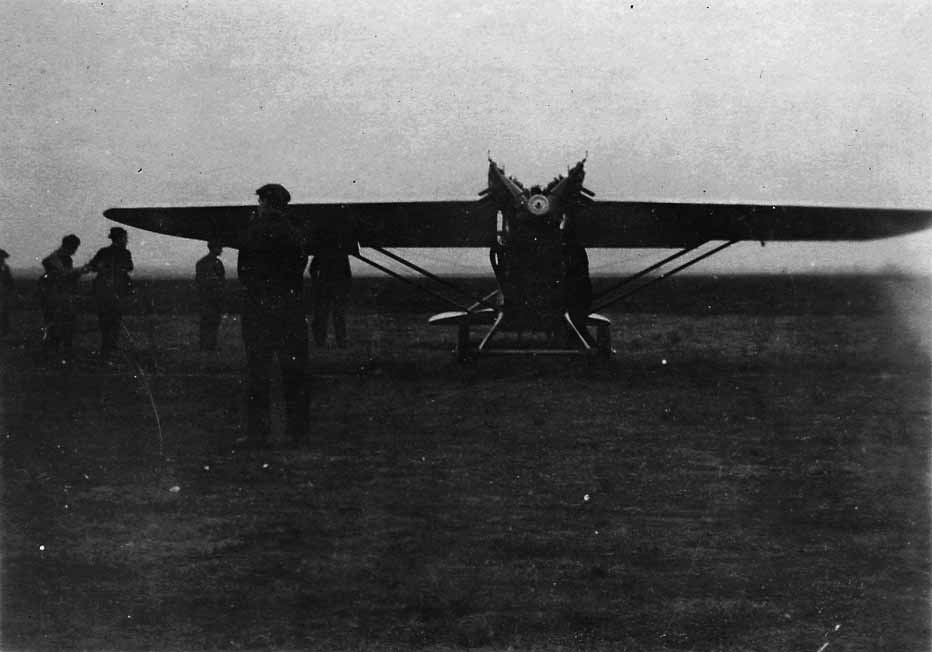
Highlighting Donald A. Hall Sr.'s analytical focus on aerodynamic streamlining and frontal drag reduction, this photograph captures a direct head-on view of an experimental parasol-wing monoplane on a dirt airfield. The exposure details the wing lift struts, cabane rigging, and narrow engine installation, showcasing the high-wing efficiency concepts that Hall evaluated during his transitions from biplane structures toward modern monoplane designs.
Donald A. Hall Estate CollectionResearch, permissions, and image requests
Contact the collection for credits, rights information, and permission to reproduce images.