The Estate
Donald A. Hall Estate Collection
The Donald A. Hall Estate Collection contains the definitive, original 1927 engineering blueprints, technical notes, and historical photographic negatives documenting the design and construction of the Spirit of St. Louis (Ryan NYP).
Explore the Estate Collection
948 images from the family-held record. Search captions and descriptions, and open any image to view it in full.
948 images
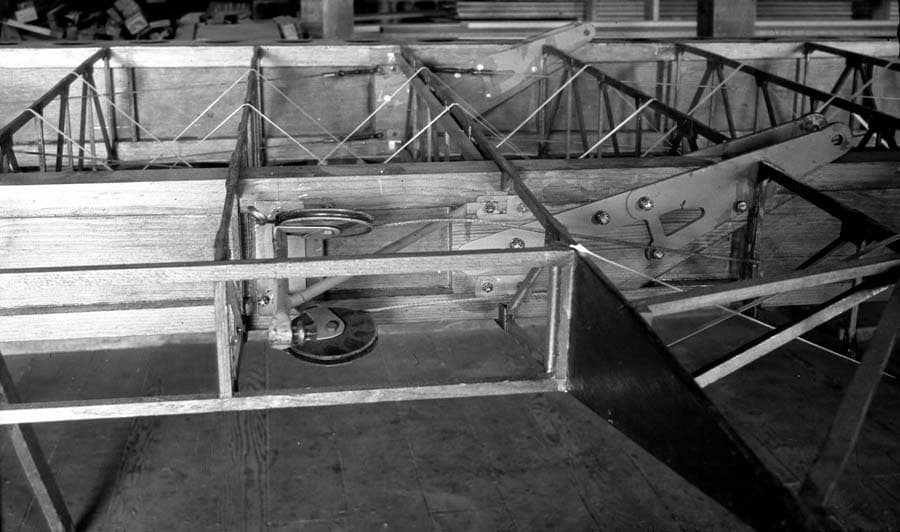
Predating modern fly-by-wire technology by decades, this 1927 photograph documents the mechanical pulley and wire system engineered by Donald A. Hall Sr. to operate the ailerons of the Spirit of St. Louis. The intricate routing of these cables through the wooden wing ribs was essential for Lindbergh's physical flight control.
Donald A. Hall Estate Collection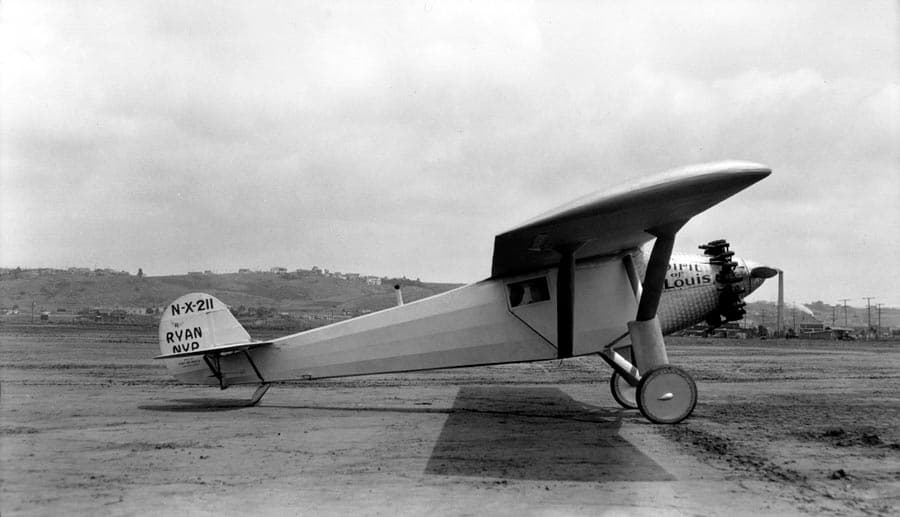
A highly atmospheric 1927 photograph showing the Spirit of St. Louis ready for a test flight at Dutch Flats in San Diego. The silhouette of Charles Lindbergh is clearly visible through the side window as he completes his pre-flight checks, preparing to test Donald A. Hall Sr.'s aerodynamic engineering.
Donald A. Hall Estate Collection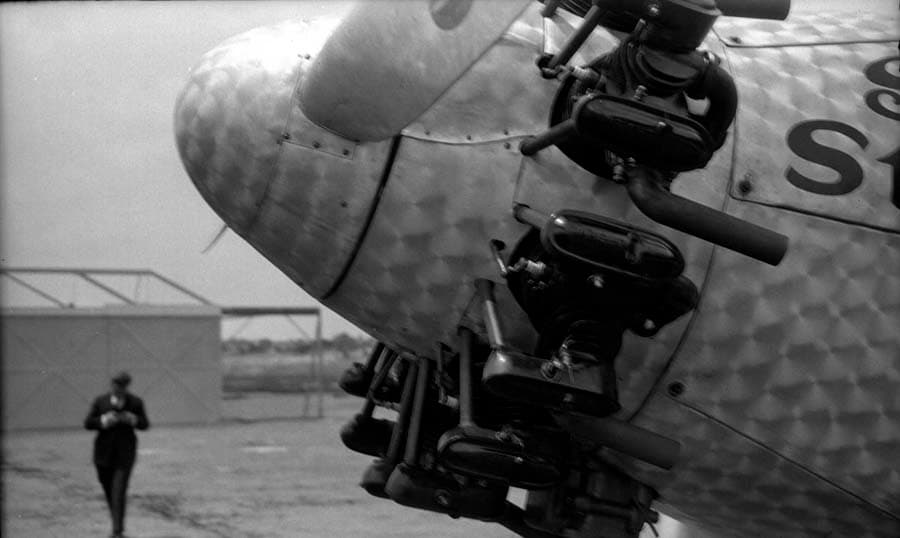
This artistic 1927 composition beautifully juxtaposes the burnished metal cowling of the Spirit of St. Louis against the figure of Charles Lindbergh. Captured at Dutch Flats after Lindbergh had donned his flying suit for photographs, it stands as a brilliant portrait of the man and the legendary machine engineered by Donald A. Hall Sr.
Donald A. Hall Estate Collection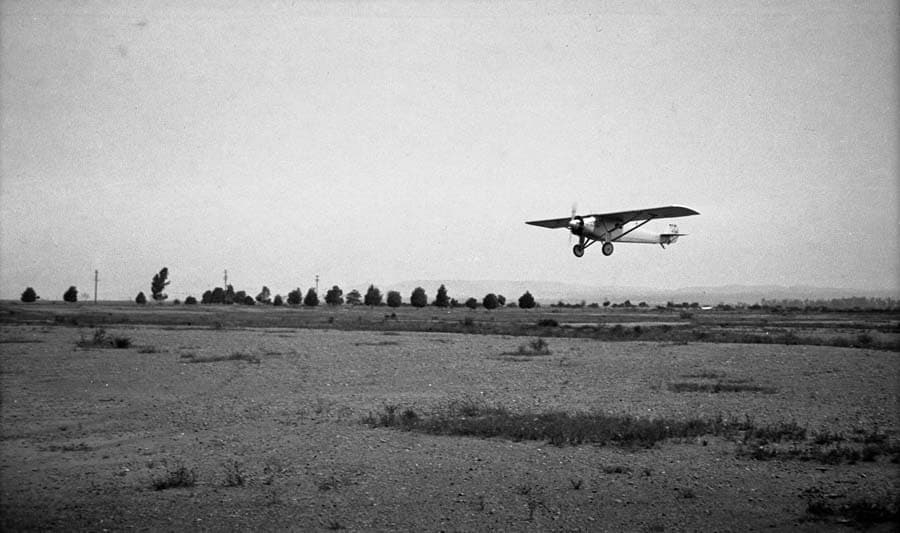
A classic, highly licensable image preserved from the Donald A. Hall Estate Collection negatives. This 1927 photograph documents the critical fuel load testing of the Spirit of St. Louis at the Camp Kearny parade grounds (now Marine Corps Air Station Miramar), proving the aircraft could lift its massive transatlantic fuel weight.
Donald A. Hall Estate Collection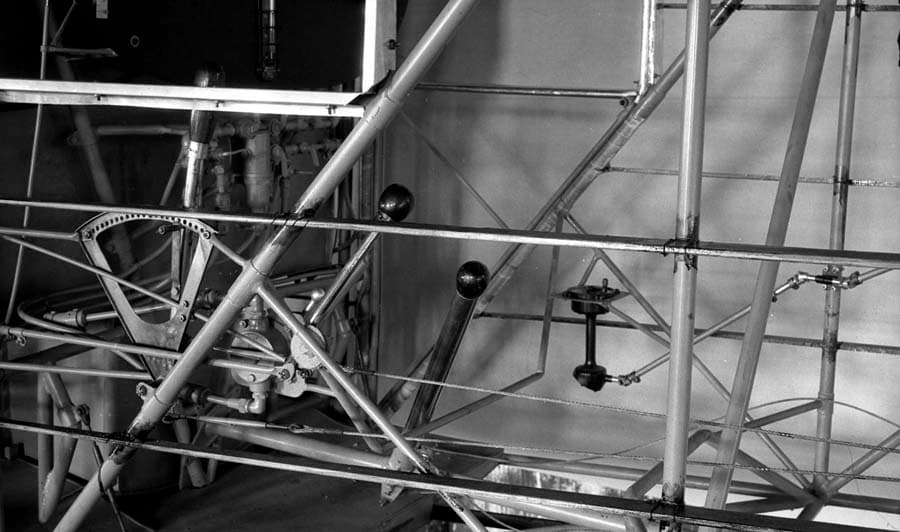
An incredible behind-the-scenes 1927 archival artifact showing the cockpit of the Spirit of St. Louis before the fabric skin or wicker seat were installed. The framework clearly defines the side window that Charles Lindbergh would rely on for visibility and cool air to stay awake during the grueling 33-hour flight to Paris.
Donald A. Hall Estate Collection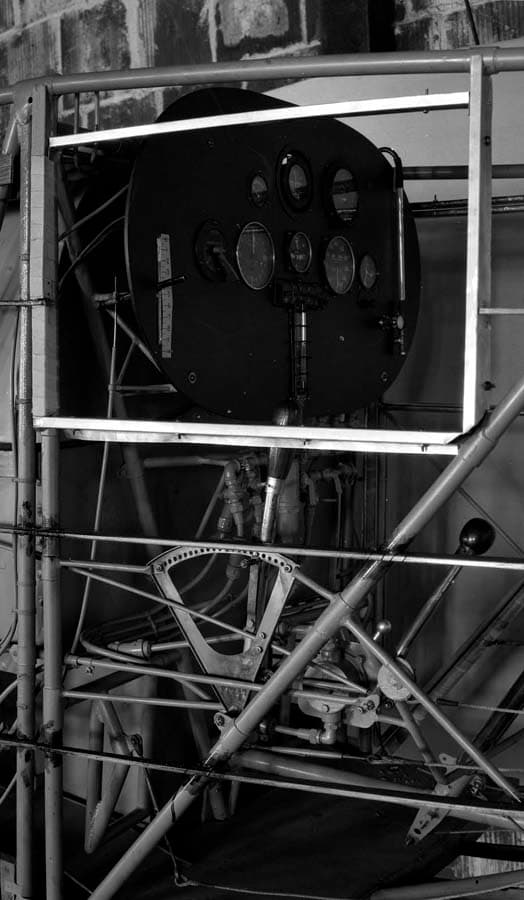
Documenting the rapid 60-day construction of the Spirit of St. Louis, this 1927 photograph shows the custom instrument panel newly mounted to the bare tubular steel framework. Donald A. Hall Sr.'s meticulous layout of these gauges was critical for Charles Lindbergh's successful dead-reckoning navigation across the Atlantic Ocean.
Donald A. Hall Estate Collection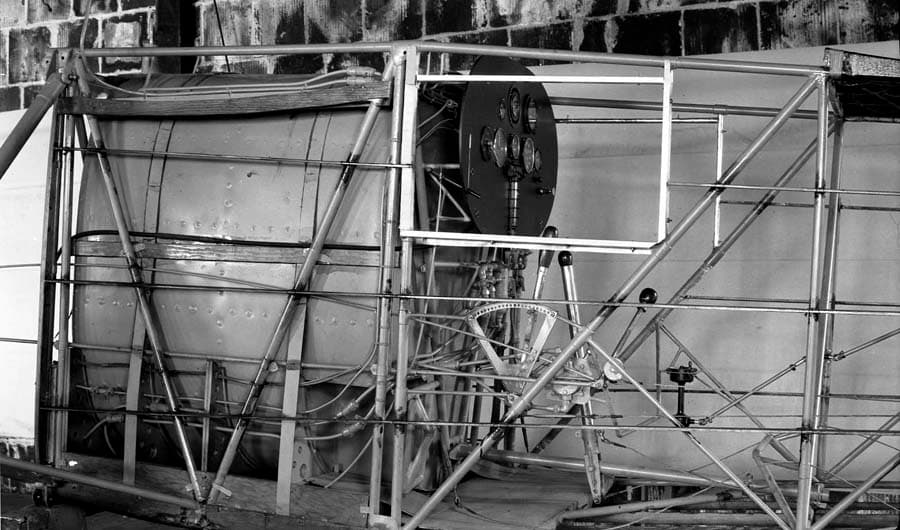
An incredible structural photograph from 1927. Donald A. Hall Sr. documented the bare tubular steel framework of the Spirit of St. Louis cockpit, highlighting how the instrument panel and complex mechanical flight linkages were positioned directly in front of the massive, custom-built main fuel tank to maintain the aircraft's center of gravity.
Donald A. Hall Estate Collection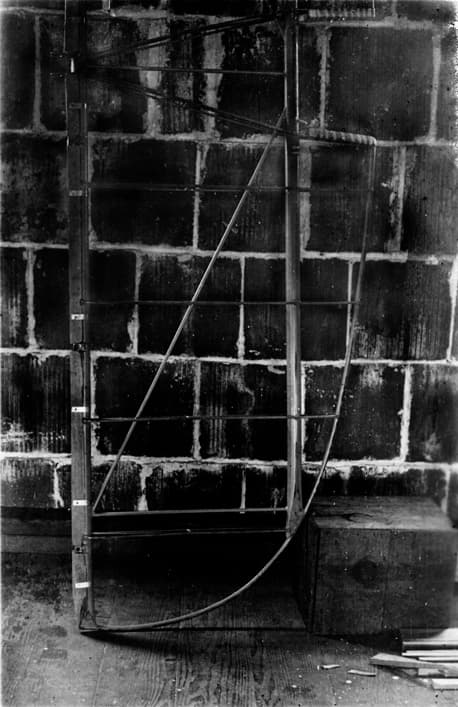
A photograph revealing a critical, life-saving engineering decision. As confirmed in a 1967 AIAA interview, Donald A. Hall Sr. designed these horizontal tail surfaces to be slightly unstable. This calculated compromise in the 1927 design forced the aircraft to constantly wander, forcing the exhausted Charles Lindbergh to actively fly the plane and stay awake during the grueling transatlantic crossing.
Donald A. Hall Estate Collection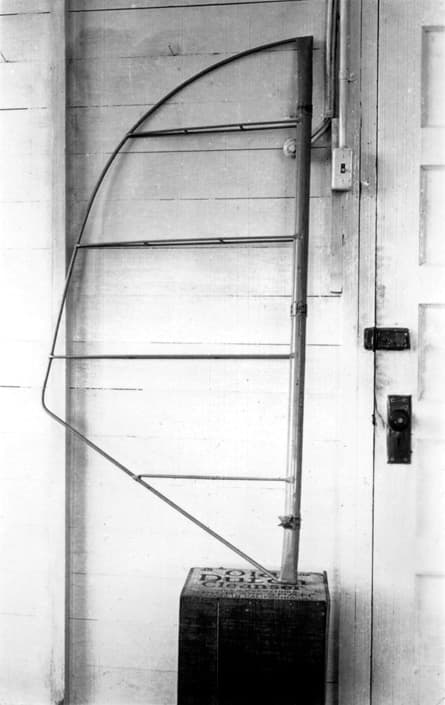
Another detailed archival view of the bare tubular steel framework for the Spirit of St. Louis tail assembly. Donald A. Hall Sr. documented the exact dimensions of these control surfaces, which were specifically engineered in 1927 to induce the slight aerodynamic instability necessary to combat pilot fatigue.
Donald A. Hall Estate Collection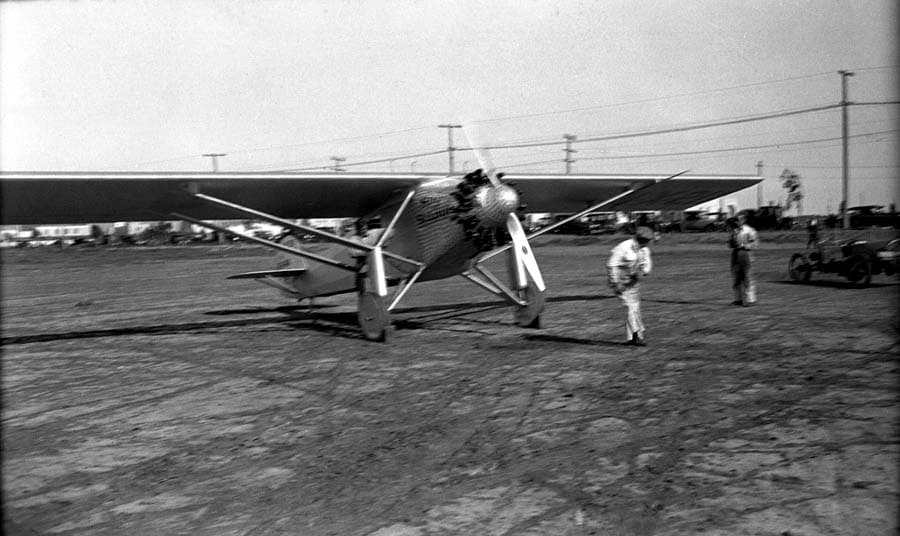
A classic, historic 1927 photograph preserved from the original negatives. This image captures a mechanic pulling the propeller to start the Wright Whirlwind engine of the Spirit of St. Louis at Dutch Flats, preparing Charles Lindbergh for the highly anticipated first test flight of Donald A. Hall Sr.'s radical design.
Donald A. Hall Estate Collection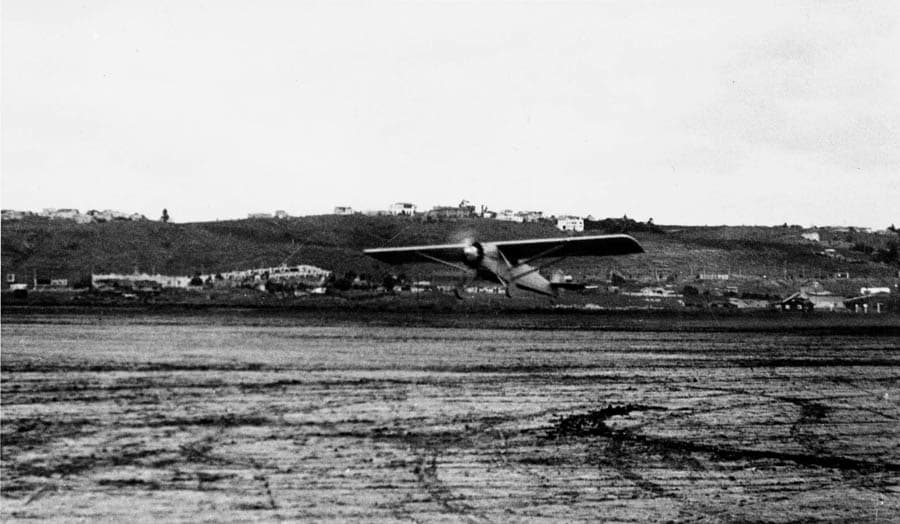
A monumental moment in aviation history. Donald A. Hall Sr. captured this 1927 action photograph of the 25-year-old Charles Lindbergh at the helm, lifting the fully assembled Spirit of St. Louis off the dirt runway at Dutch Flats for its very first test flight.
Donald A. Hall Estate Collection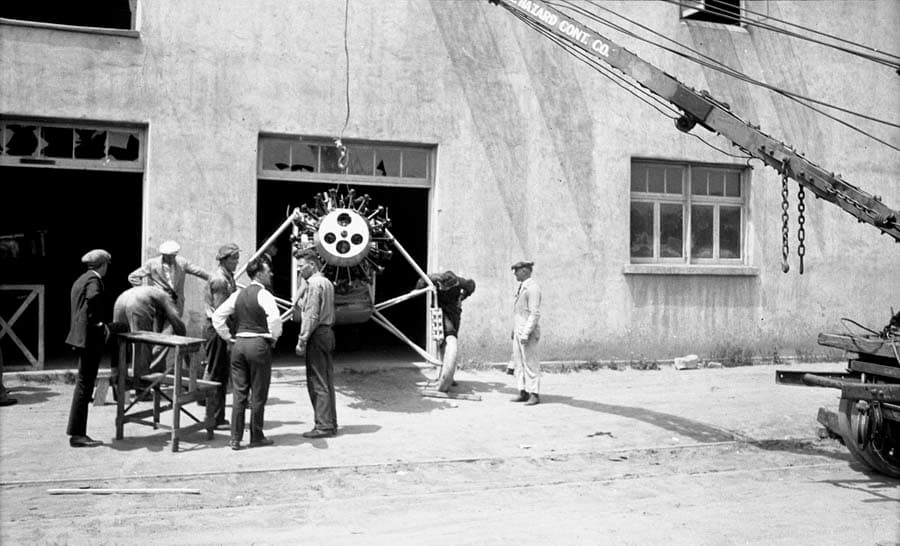
This 1927 photograph highlights the rapid, improvisational nature of the 60-day build. Because the completed Spirit of St. Louis was too wide for the Ryan factory doors, the crew, including Production Manager Hawley Bowlus, used a crane to lift the nose, removed a landing gear strut to squeeze it through, and reattached it outside.
Donald A. Hall Estate Collection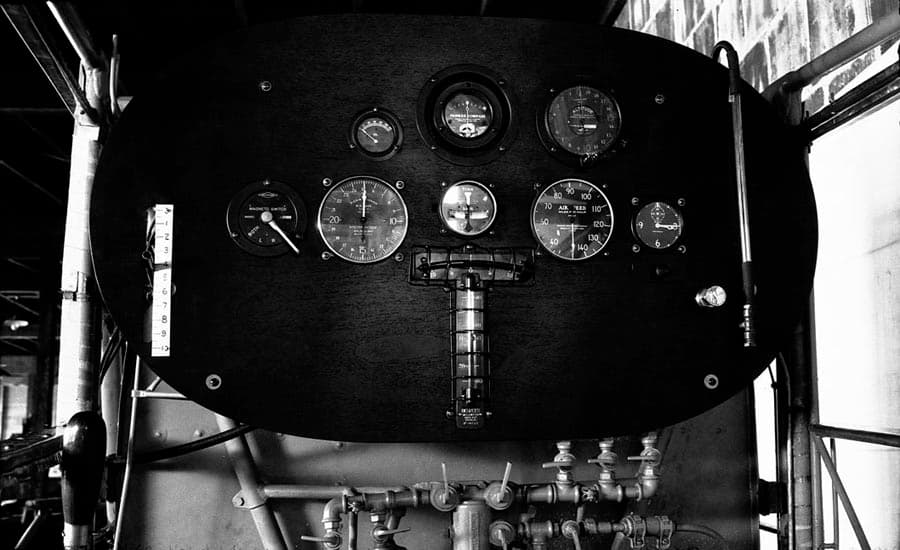
A crucial engineering record from 1927. This photograph of the Spirit of St. Louis instrument panel highlights the intricate fuel distribution valves engineered by Donald A. Hall Sr. This system allowed Lindbergh to manually pump fuel between tanks to manage the center of gravity, and ensured gravity-fed flow to the engine if the main pump failed.
Donald A. Hall Estate Collection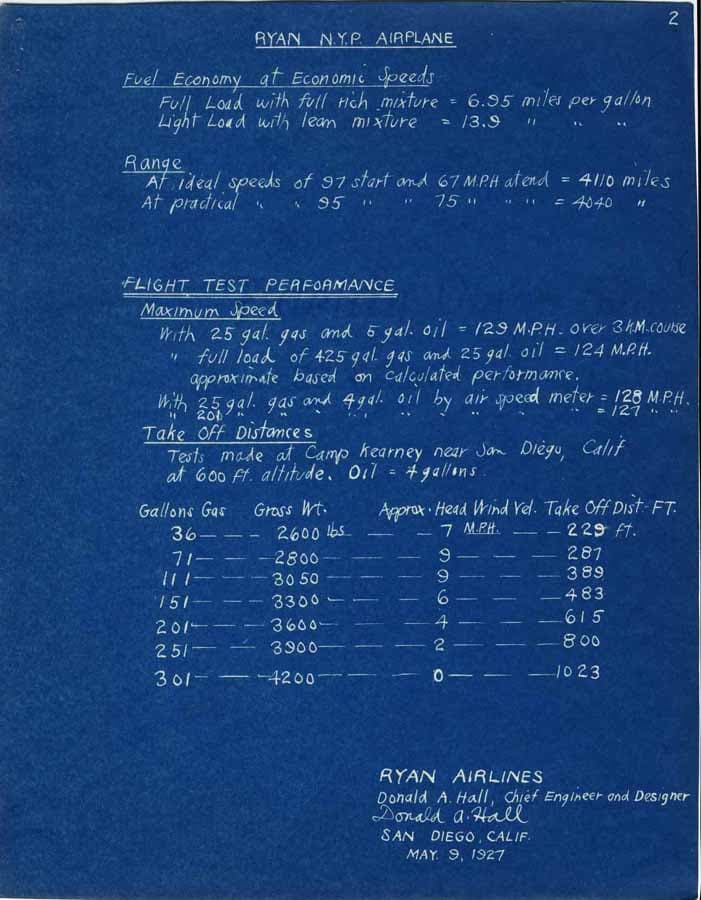
The culmination of Donald A. Hall Sr.'s rapid engineering. This original 1927 cyanotype blueprint details the calculated flight test performance, fuel economy, and range of the Spirit of St. Louis. It is officially signed and stamped by the Chief Engineer on May 9, 1927, just days before Lindbergh's departure.
Donald A. Hall Estate Collection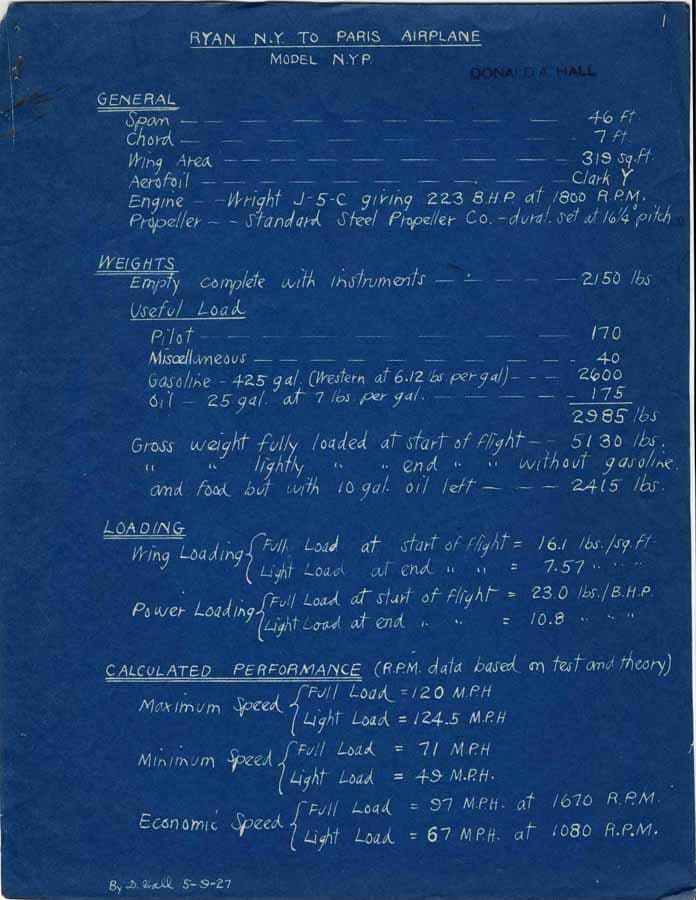
An essential 1927 engineering document from the Donald A. Hall Estate. This original cyanotype blueprint outlines the general specifications, calculated weights, and critical loading data for the Spirit of St. Louis, bearing the signature of Chief Engineer Donald A. Hall Sr. dated May 9, 1927.
Donald A. Hall Estate Collection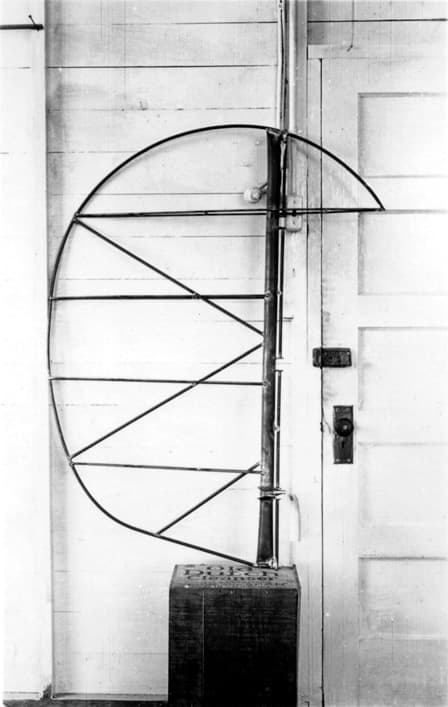
Completing the documentation of the tail assembly, Donald A. Hall Sr. photographed the bare tubular steel framework of the Spirit of St. Louis vertical stabilizer and rudder in 1927. This raw engineering view highlights the precise structural design required for Lindbergh's transatlantic crossing.
Donald A. Hall Estate Collection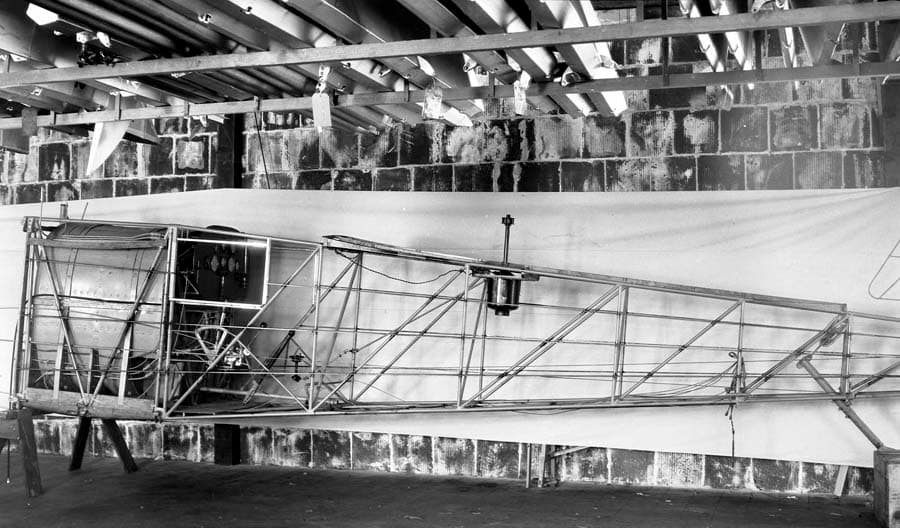
A critical look at 1927 avionics. Donald A. Hall Sr. documented the installation of the Earth Inductor Compass generator behind the cockpit. This cutting-edge instrument generated the electrical current needed for Charles Lindbergh to maintain his headings over the featureless Atlantic without magnetic interference.
Donald A. Hall Estate Collection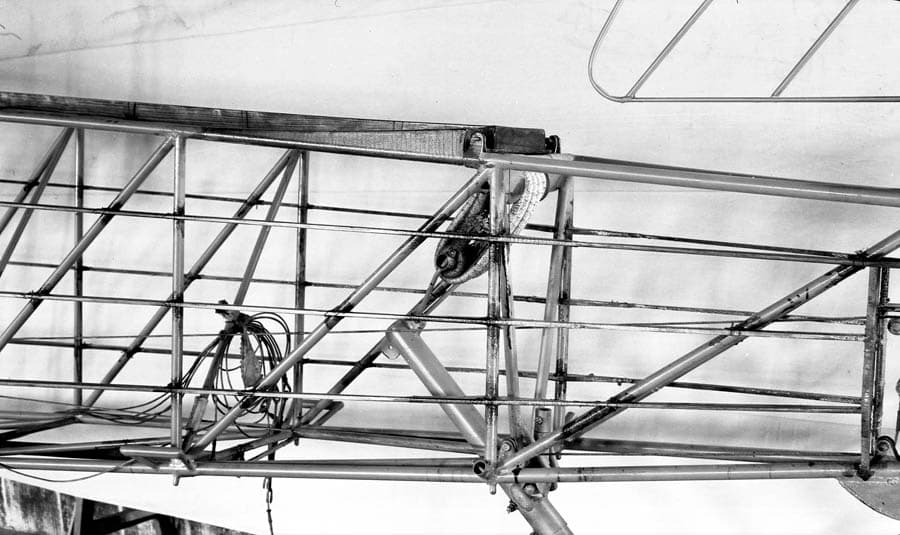
This 1927 photograph highlights the raw, functional engineering of the Spirit of St. Louis. To absorb the impact of landing a heavily fueled aircraft on unpaved dirt strips, Chief Engineer Donald A. Hall Sr. utilized heavy-duty industrial bungee cords to articulate the tail skid.
Donald A. Hall Estate Collection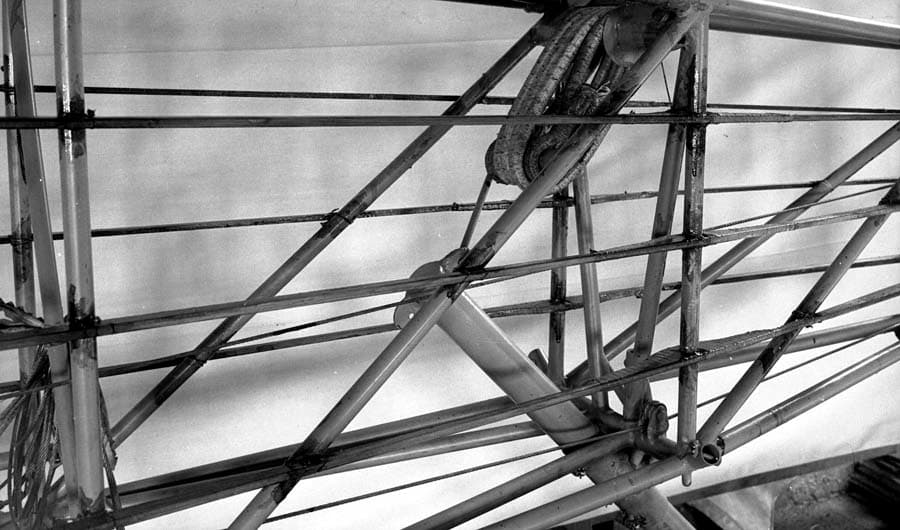
An alternate archival view of the Spirit of St. Louis tail skid assembly. Donald A. Hall Sr. carefully documented the mechanical wrapping of the industrial bungee cords, ensuring the shock absorption system could withstand the extreme stresses of the transatlantic flight's takeoff and landing.
Donald A. Hall Estate Collection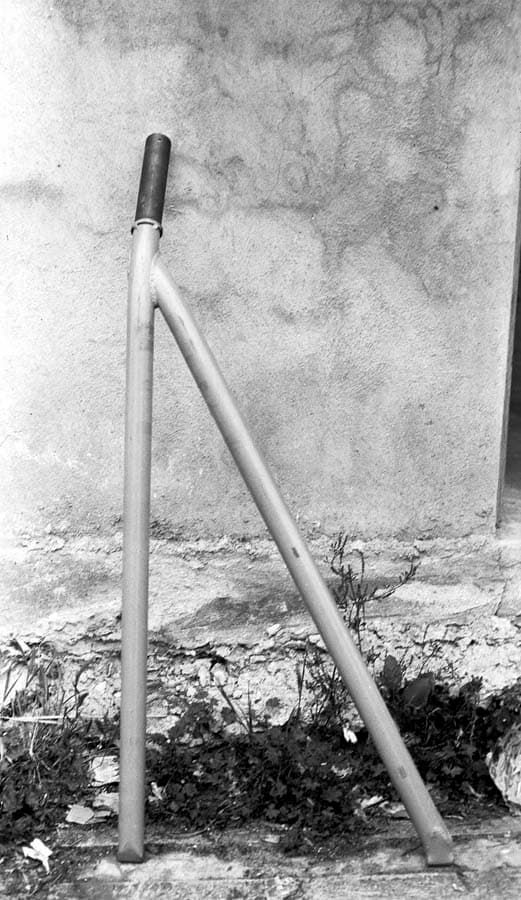
A testament to the aircraft's extreme weight requirements. Donald A. Hall Sr. engineered these specific landing gear axles out of high-strength chromoly steel. Standard components would have buckled under the immense weight of the fuel required for Lindbergh's flight to Paris.
Donald A. Hall Estate Collection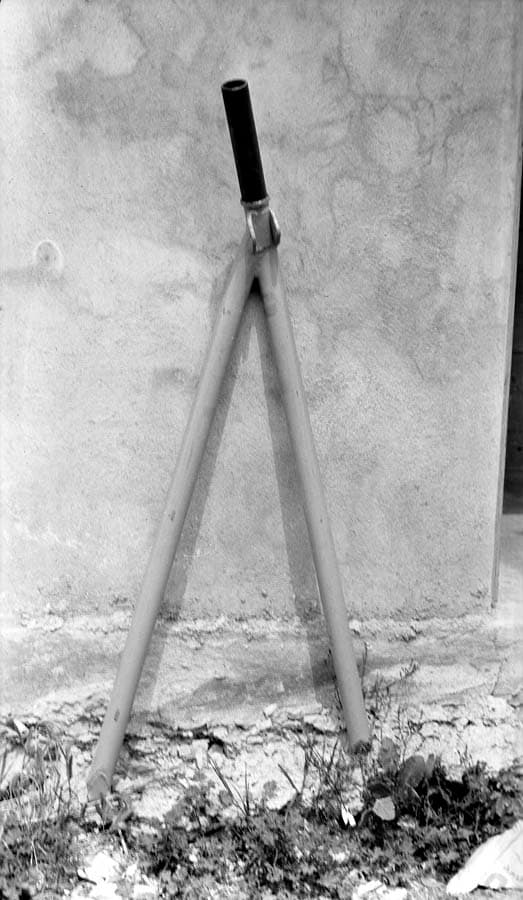
This 1927 photograph preserves the structural design of the Spirit of St. Louis landing gear. Donald A. Hall Sr. specified high-grade chromoly steel for the swing arms and axles to ensure the aircraft survived its precarious, overloaded takeoff roll at Roosevelt Field.
Donald A. Hall Estate Collection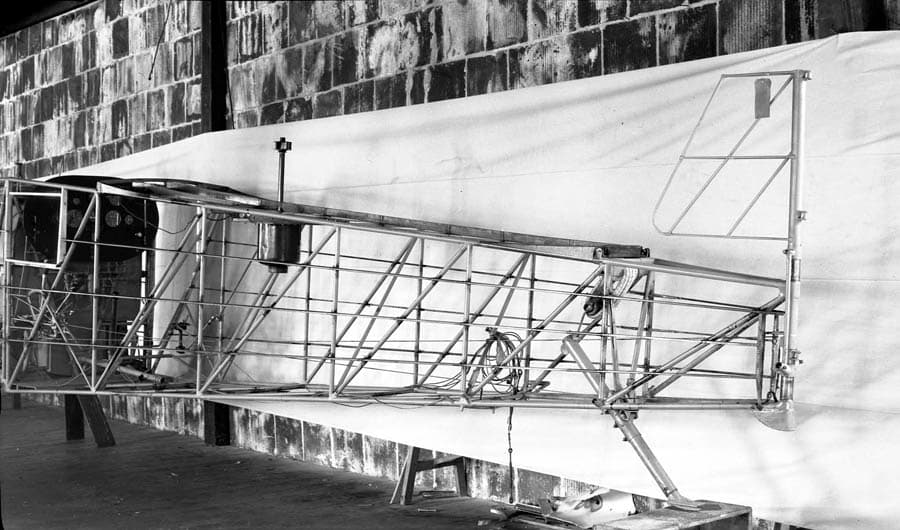
A remarkable structural record from the 60-day engineering sprint. Donald A. Hall Sr. captured the bare tubular steel framework and intricate tension-wire bracing of the aft fuselage before the fabric skin was applied to the Spirit of St. Louis.
Donald A. Hall Estate Collection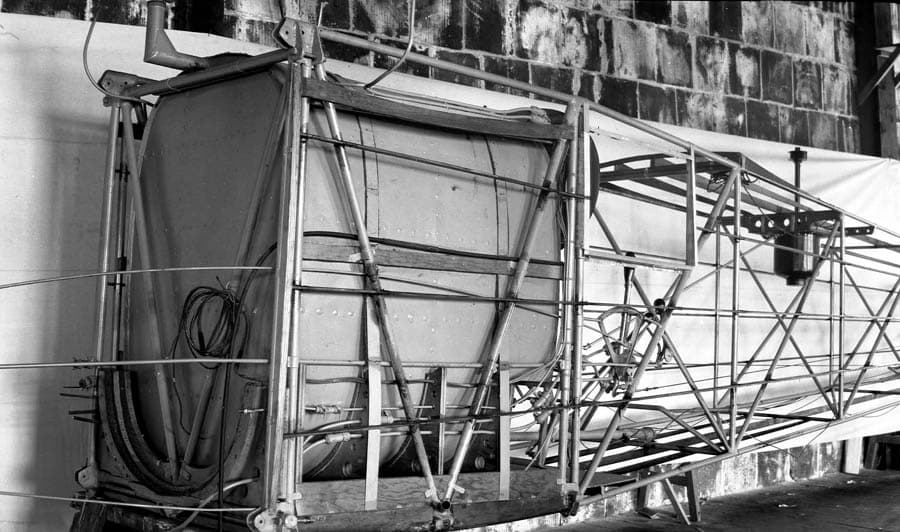
This 1927 photograph documents the beating heart of the Spirit of St. Louis. Donald A. Hall Sr. captured the massive main fuel tank secured within the fuselage, highlighting the complex array of custom fuel lines routed specifically to accommodate Charles Lindbergh's flight management requests.
Donald A. Hall Estate Collection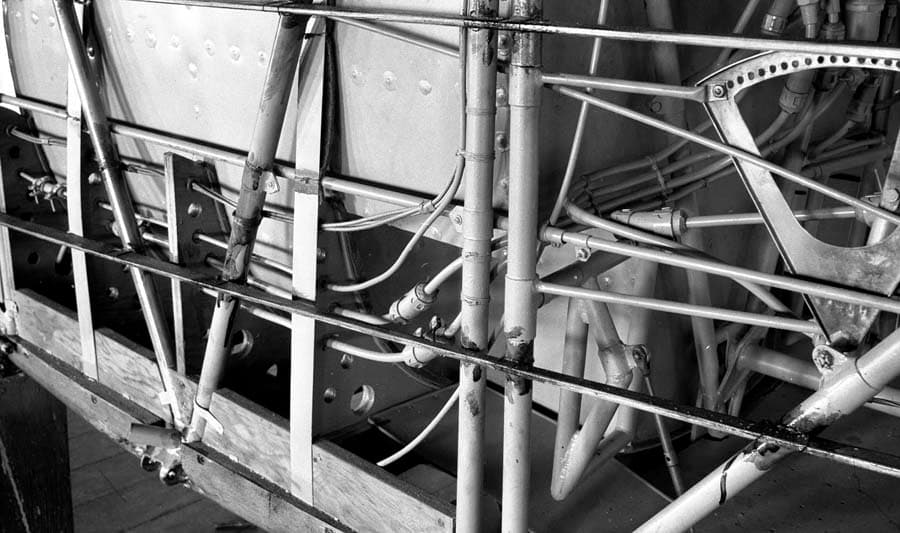
A brilliant technical view of the 1927 fuel system. Donald A. Hall Sr. meticulously routed these fuel lines around the main tank to satisfy both aerodynamic balance and Lindbergh's operational needs, ensuring a fail-safe flow of aviation fuel to the Wright Whirlwind engine.
Donald A. Hall Estate CollectionResearch, permissions, and image requests
Contact the collection for credits, rights information, and permission to reproduce images.